
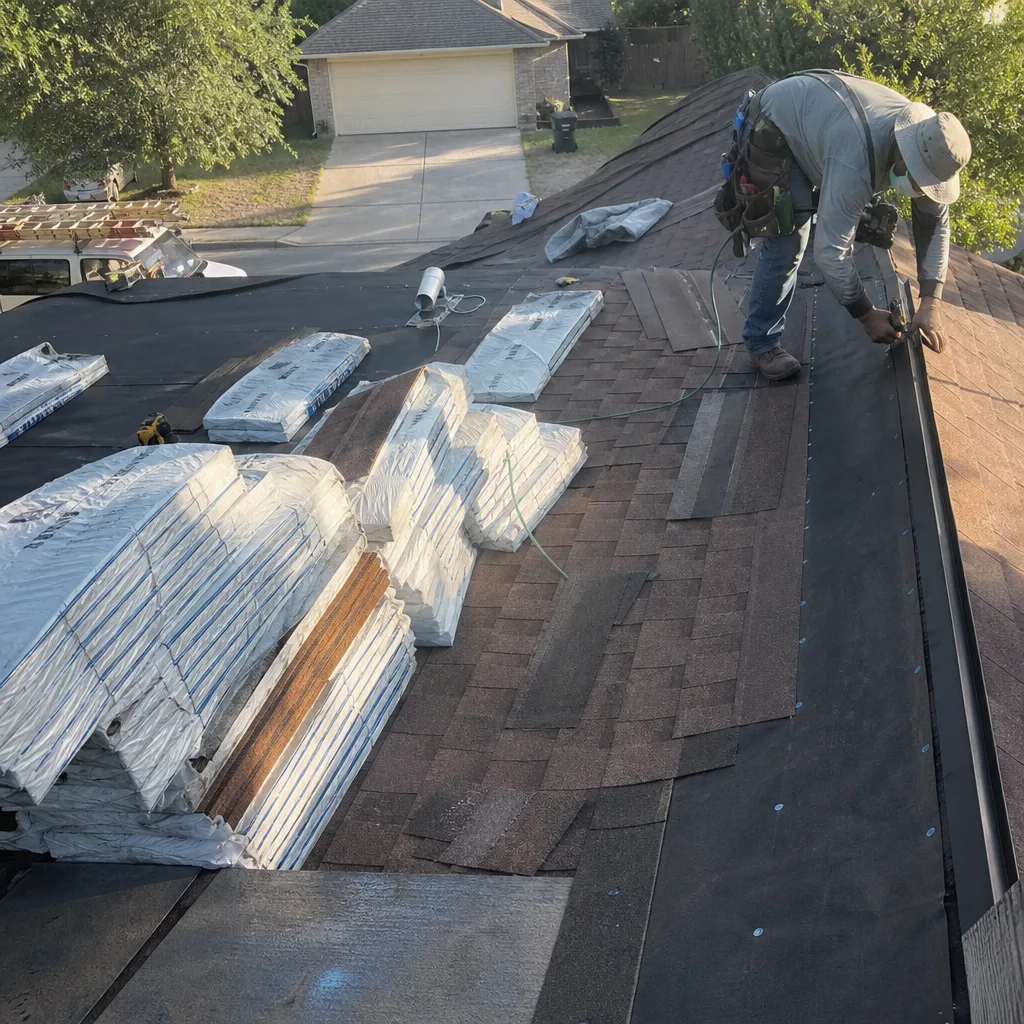
Last updated October 17, 2026
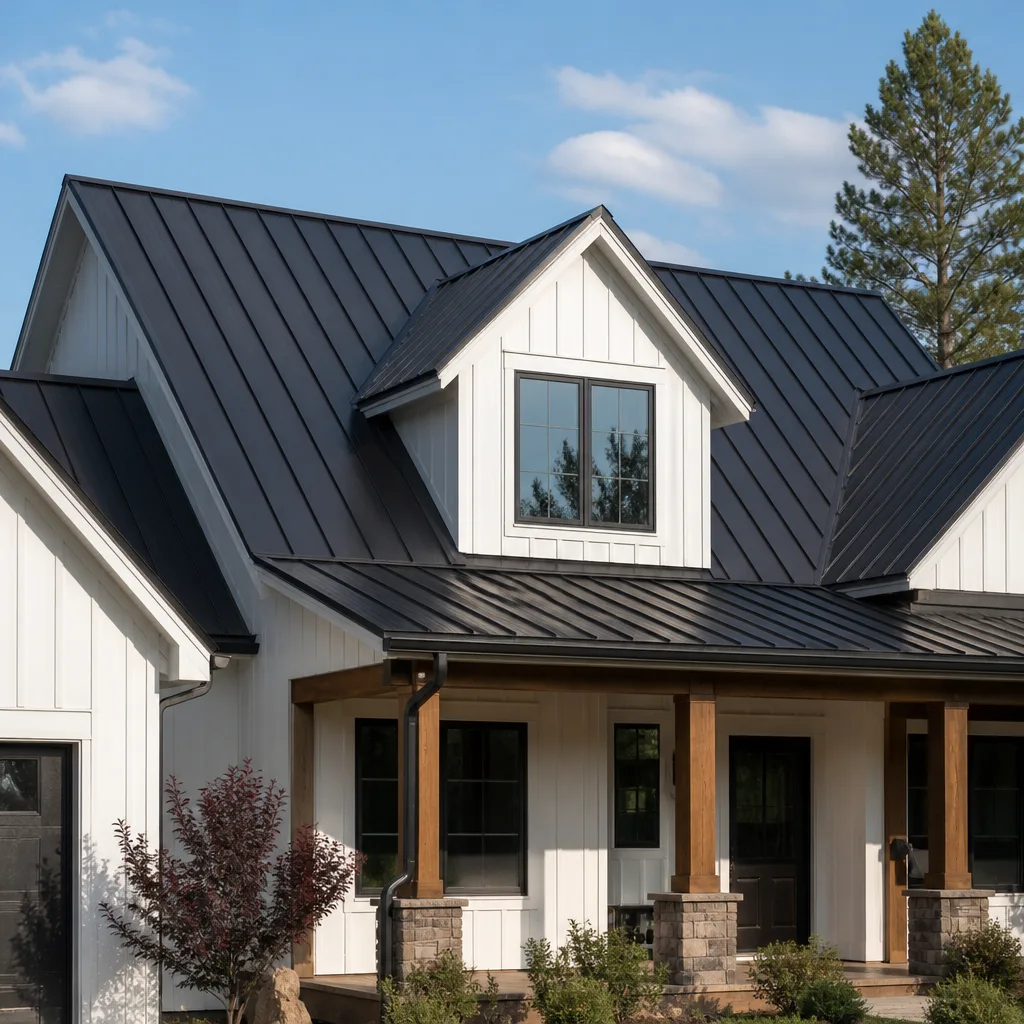 Metal roofing
 Architectural shingles
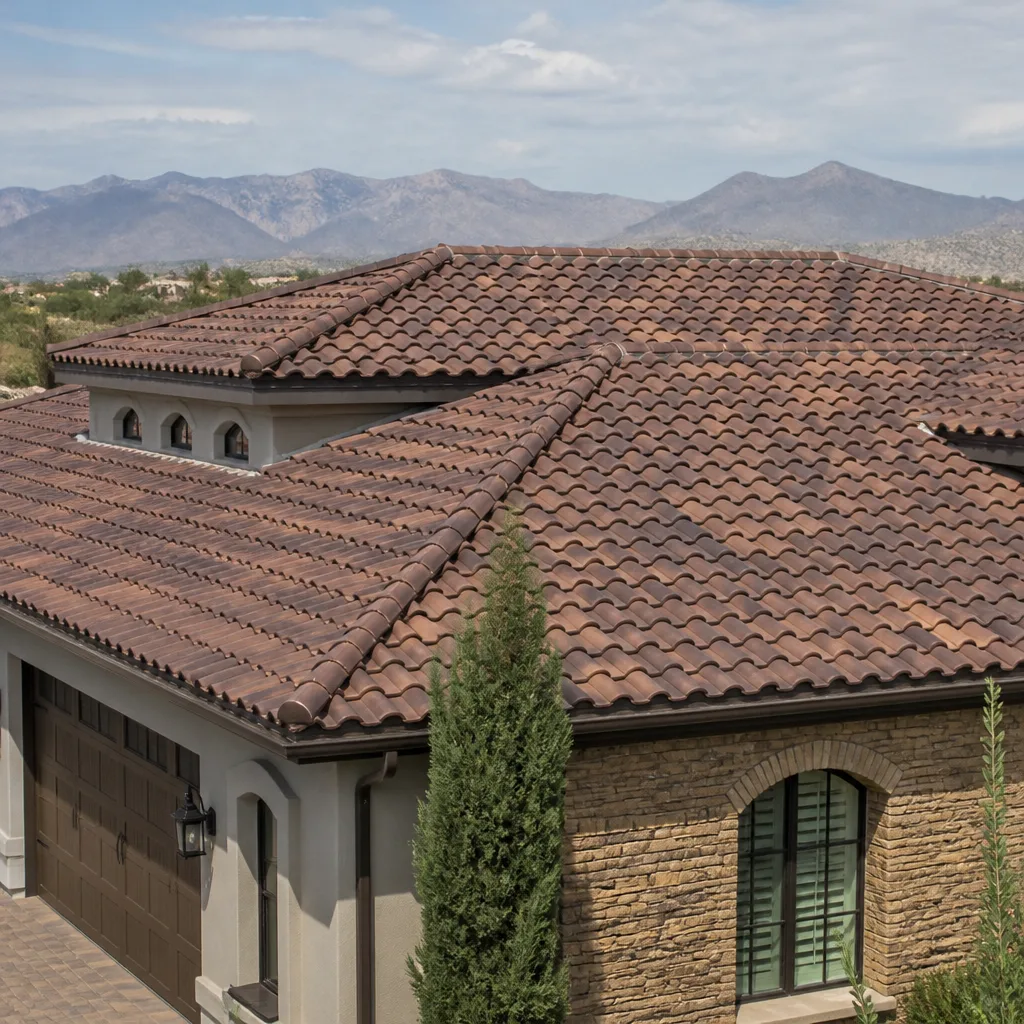 Tile roofing
 GAF
GAF Owens Corning
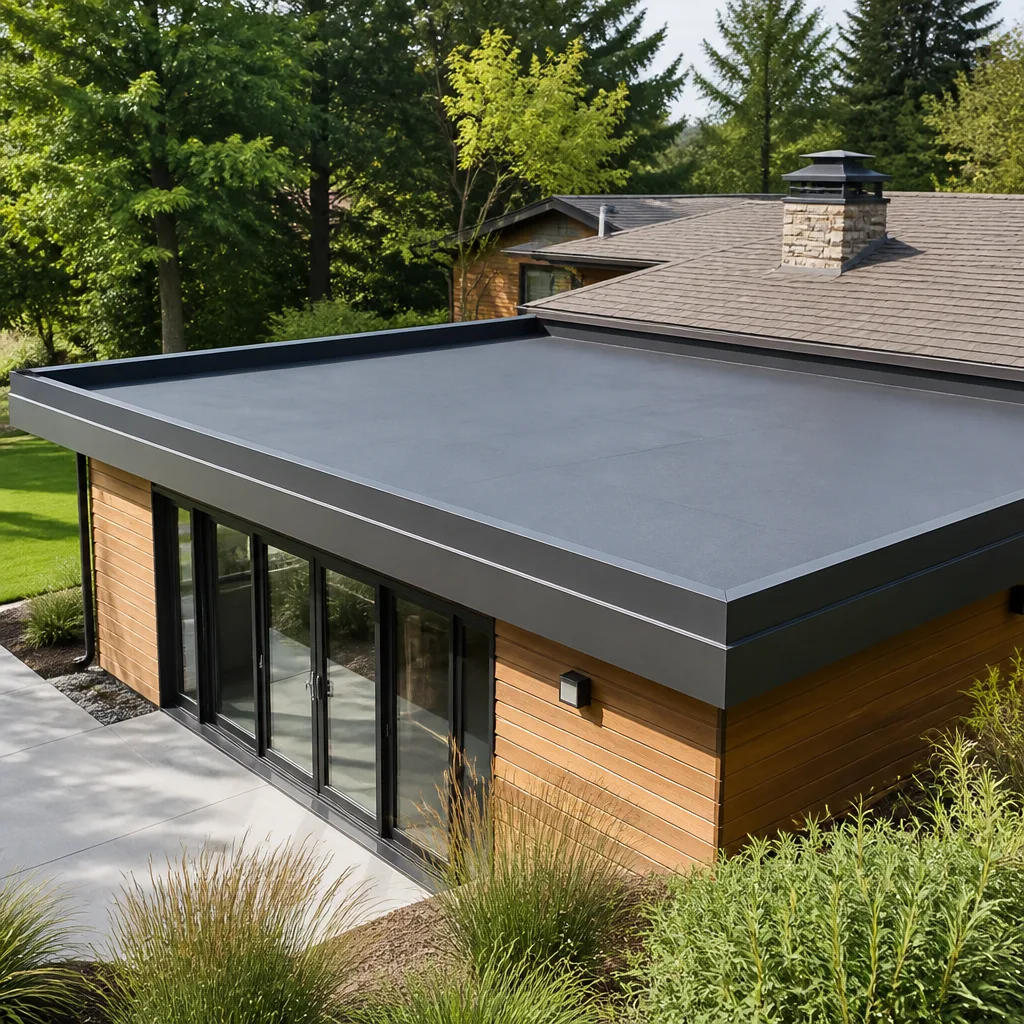 Flat & low-slope
Free roof inspection with deck photos before we talk money - GAF and Owens Corning certified installation
Roofing Permits, Codes & Inspections in TX: What You Need to Know
A roof replaced without a required permit in San Antonio can trigger a stop-work order on a future addition, complicate your homeowner’s insurance claim, or surface as a red flag in a buyer’s inspection report, none of which show up until it’s expensive. What surprises homeowners most is that the permit is there to protect you, not the contractor. It creates a paper trail that proves the work met code, and that proof is exactly what you need when you sell the house or file a claim. In this guide, we’ll walk through when Bexar County and the City of San Antonio require a permit, what inspectors actually look at, how the 2021 International Building Code changed roofing here, and which documents you should keep on file after the job is done.
Styles & brands we work with
Quick Answer
A roofing permit is required in San Antonio for any full roof replacement and for repairs exceeding 100 square feet of roof area, and the permit must be pulled before work begins. The City of San Antonio’s Development Services Department inspects the roof at multiple stages, typically including a dry-in inspection after underlayment and a final inspection after the roof is complete. Skipping the permit can delay a future home sale, give your insurer a reason to deny a claim, and result in fines if the unpermitted work is discovered. For a deeper look at what to watch for, see our Roofing Warning Signs: A San Antonio Homeowner’s Reference Guide.
Table of Contents
- When a Roofing Permit Is Required in San Antonio
- Bexar County vs. City of San Antonio: Who Governs What
- The Permit Application Process, Step by Step
- What Inspectors Check at Every Stage
- How the 2021 International Building Code Changed Roofing in Texas
- How an Unpermitted Roof Affects Your Homeowner’s Insurance
- What to Keep on File After a Permitted Job
- Common Mistakes to Avoid
- When to Call a Professional
- Frequently Asked Questions
- The Bottom Line
When a Roofing Permit Is Required in San Antonio
The City of San Antonio requires a permit for any full roof replacement, regardless of size, and for repairs that cover more than 100 square feet of roof area. That 100-square-foot threshold is the line most homeowners don’t know about. A small patch job around a pipe boot or a section of missing shingles under 100 square feet generally does not need a permit. But once the scope crosses that line, or if the entire roof deck is being re-sheathed, the city wants to inspect the work.
There’s another trigger that catches people off guard: any roof work that involves changing the roof structure itself, not just the covering, always requires a permit. If you’re replacing rafters, altering the pitch, or adding a dormer, you’re now in structural territory. That’s a different permit class, and the inspections are more involved.
San Antonio sits on the edge of hail alley, and our roof replacement seasons spike after spring and fall storms. That volume means the Development Services Department processes thousands of roofing permits every year. The process is well-established, but it moves at the city’s pace, not your contractor’s. Planning for permit wait times is part of any realistic roofing timeline here.
If you’re unsure whether your project crosses the threshold, the safe move is to have a roofer measure and advise before anyone starts tearing off shingles. A written price for the work should include the permit line item, and you should see it before any work begins.
Bexar County vs. City of San Antonio: Who Governs What
This question trips up homeowners living outside city limits but still inside Bexar County. If your home is within the San Antonio city limits, the City of San Antonio’s Development Services Department is the authority. If you live in unincorporated Bexar County, the county has its own permitting process, which is generally lighter than the city’s but still exists for structural work.
The practical difference matters. City permits come with mandatory inspections at defined stages. County permits, in many cases, focus on the structural and electrical components and may not require the same stage-by-stage verification. Some subdivisions in unincorporated Bexar County have adopted their own deed restrictions that require permits regardless of county rules.
Here’s what to check before your roof project starts:
- Inside San Antonio city limits: Permits and inspections go through the City of San Antonio Development Services Department.
- Unincorporated Bexar County: Permits go through Bexar County Public Works; inspection requirements vary by project scope.
- Neighborhood deed restrictions: Some HOAs and historic districts impose additional requirements on top of city or county rules.
- Historic districts: Homes in designated historic districts in San Antonio often need approval from the Office of Historic Preservation before a roofing permit is issued.
In our experience working across San Antonio, we’ve seen homeowners in neighborhoods like Terrell Hills and Alamo Heights, which are separate municipalities, deal with their own permitting offices entirely. The rule is simple: your authority is the government entity that issues your property tax bill. If it’s the City of San Antonio, city rules apply.
The Permit Application Process, Step by Step
Getting a roofing permit in San Antonio follows a predictable sequence, and it’s one part of The Complete Guide to Roofing in San Antonio. The key is that the contractor typically pulls the permit on your behalf, but the permit is issued in the property owner’s name. Here’s how it works:
- Contractor prepares the scope of work. The roofer documents the roof area, materials, and any structural changes. This becomes the basis for the permit application.
- Application submitted to Development Services. The contractor submits the application, material specifications, and any required drawings. Most roofing permits are processed before payment is finalized.
- Permit fee paid. Residential re-roof permit fees in San Antonio generally run between $100 and $400 depending on project valuation, though exact figures change with city fee schedules. The fee is a line item you should see in your written estimate.
- Permit issued and posted. The permit must be posted on the property, visible from the street, for the duration of the job. Inspectors look for it when they arrive.
- Inspections scheduled at required stages. The contractor coordinates inspection timing with the city and ensures the work is ready before the inspector arrives.
- Final sign-off recorded. Once all inspections pass, the permit is closed and the record stays on file with the city.
A reputable roofer handles all of this for you. Your job is to confirm the permit exists before work starts, not to navigate city hall yourself. We include the permit in the written price on every roof replacement in San Antonio we perform, so there is never a question about whether the job is permitted.
What Inspectors Check at Every Stage
San Antonio roofing inspections follow a staged sequence. Missing an inspection stage means the work that was covered up has to be uncovered, which costs time and money. Here’s what inspectors look at, stage by stage:
Stage 1: Deck Inspection
After the old roof is stripped and before new underlayment goes down, the inspector checks the roof deck for structural soundness. Rotted plywood or OSB must be replaced. Missing nails, gaps, or sagging between rafters gets flagged. This inspection matters because everything after this point hides the deck from view.
Stage 2: Dry-In Inspection
Once underlayment is installed and before shingles or other roof coverings go on, the inspector verifies the underlayment is properly fastened, overlaps are correct, and flashing has been applied at penetrations. This is the waterproofing layer, and the city wants to see it before it’s covered. If you’re installing GAF or Atlas shingles, the manufacturer’s installation specs are part of what the inspector cross-references.
Stage 3: Final Inspection
After the roof covering is complete, the inspector returns to verify shingle nailing patterns, flashing at edges and valleys, ventilation, and overall workmanship. They also confirm that roof components like ridge vents and drip edge are installed to code. The final sign-off is the document you want in your file.
Inspection timing in San Antonio is generally fast compared to larger cities in Texas. A standard re-roof might have inspections scheduled within two to four business days after the contractor calls. Peak storm season can stretch that, so the contractor’s scheduling flexibility matters.
How the 2021 International Building Code Changed Roofing in Texas
Texas adopted the 2021 International Building Code, and with it came changes that affect every residential roof in the state. The most impactful change for San Antonio homeowners is the minimum underlayment requirement. The 2021 IBC tightened standards for synthetic underlayment, requiring a minimum of ASTM D226 Type II or an approved synthetic with equivalent or better performance, with specific fastening schedules that vary by roof slope.
Ventilation requirements also shifted. The 2021 IBC clarifies the minimum net free ventilation area for attics and requires that ventilation be balanced between intake and exhaust. For San Antonio’s climate, where attic temperatures routinely exceed 140 degrees in summer, this change means roofs are now built to move heat out more effectively than older code allowed. A properly ventilated attic under a Tamko or Boral roof system lasts longer because the shingles aren’t cooking from below.
Flashing standards were another update. The 2021 IBC specifies minimum flashing dimensions at roof-to-wall intersections and requires corrosion-resistant flashing at all penetrations. The old practice of reusing existing flashing where it looked okay is no longer code-compliant. New flashing goes in with the new roof, period.
If your home was built before 2021, your existing roof was installed under older code. That’s fine, nothing requires you to bring an existing roof up to current code until you replace it. But when you do replace it, the new roof must meet 2021 IBC standards, which sometimes means upgrading underlayment or adding ventilation that wasn’t there before. A roofer who knows the current code will flag those items in your written price before the work starts, so you’re not surprised by a change order mid-project.
How an Unpermitted Roof Affects Your Homeowner’s Insurance
Texas insurers operate under rules set by the Texas Department of Insurance, and those rules give them broad latitude when a claim involves work that was never permitted. If your roof was replaced without a required permit and a storm damages it, your insurer may ask for proof that the roof was legally installed. Without a permit record, you may be fighting an uphill battle.
Here’s the specific problem: most Texas homeowners policies exclude coverage for damages caused by faulty, inadequate, or defective workmanship. If the insurer can argue that the roof failed because it was installed without inspection and without code verification, they have a path to deny the claim. That argument gets harder for them when a final inspection sign-off exists.
When you sell your home, a buyer’s inspector will check whether major systems were permitted. An unpermitted roof shows up as a disclosure issue. In a market like San Antonio, where buyers are competing for homes, an unpermitted roof can become a negotiation chip that costs you more than the permit would have in the first place.
The fix is straightforward: pull the permit, pass the inspections, keep the paperwork. The cost of the permit is a rounding error compared to a denied claim or a stalled sale.
What to Keep on File After a Permitted Job
After a permitted roof job in San Antonio, you should leave with a folder that contains everything that proves your roof was installed legally and correctly. Here’s what belongs in that folder:
- Final inspection sign-off. This is the document from the City of San Antonio Development Services Department showing all inspections passed. It’s your single most valuable piece of paper.
- Permit record number. The permit number ties your job to the city’s permanent records. You can look it up years later if needed.
- Contractor license information. The name on the permit should match the contractor who performed the work.
- Material invoices and warranties. Manufacturer warranties from brands like Tamko or Boral require proof of purchase and installation. Keep them with your permit paperwork.
- Written contract and final price. Your signed contract and proof of payment close the loop on the transaction.
- Photos of the completed roof. Document the finished condition for your insurance file.
We make this easy for homeowners: every roof we replace or repair as a roofing company in San Antonio gets a job file that includes the permit record, inspection results, and material documentation. You don’t have to chase paperwork; it’s handed to you at the end of the job, along with a photo of the completed clean-up before our crew leaves.
Common Mistakes to Avoid
- Assuming the contractor pulled the permit without verifying it. Ask to see the permit number or the physical permit posted before work begins. A contractor who says the permit is “in process” for weeks is stalling. If a San Antonio roofer tells you the job is too small to need a permit, get a second opinion on the square footage.
- Not matching the contractor name to the permit. The permit should be in your name as the property owner, with the contractor listed as the agent. If a different contractor shows up to do the work than the one on the permit, that’s a red flag.
- Paying the full amount before the final inspection passes. Hold final payment until the city signs off. Legitimate contractors in San Antonio expect this and structure payment terms around inspections.
- Throwing away the permit file after the job. You need the final inspection record when you sell, when you file an insurance claim, and when future maintenance questions come up.
- Skipping the permit on a repair that crosses 100 square feet. The threshold feels small. A damaged roof section after a bad storm can easily exceed it, and storm repairs are exactly what insurers scrutinize most closely.
- Ignoring a stop-work order. If the city posts a stop-work order on an unpermitted job, continuing work makes the fines worse and can complicate the permit you eventually have to get.
- Choosing a contractor based on speed rather than permit compliance. A roofer who promises to “skip the red tape” is asking you to carry the risk. You carry it long after they’ve been paid.
When to Call a Professional
Roof permitting and inspection is not a DIY project. If you’re planning a roof replacement, considering a repair that’s larger than a small patch, or buying a home with an unpermitted roof and want to know what it will cost to bring it into compliance, you need a roofer who works with the City of San Antonio’s permitting process every day. If you’re in the middle of an insurance claim and the adjuster is asking about permit records, a professional can help you document what exists and what’s missing. If you’re selling your home and the buyer’s inspection flagged the roof, you need an assessment quickly. Birchbark Roofing San Antonio home base is right here in San Antonio, and we offer free estimates for any of these situations. Call (903) 354-7802 and we’ll walk through your specific situation, including whether a permit is required and what the inspection process will look like.
Frequently Asked Questions
A residential re-roof permit in San Antonio typically ranges from $100 to $400 depending on the project valuation, with the exact fee set by the city’s current fee schedule. The permit fee is a line item in your written estimate, and a reputable roofer includes it in the price from the start. Call (903) 354-7802 for an exact quote on your specific project, estimates are free.
Yes, San Antonio allows retroactive permits in some cases, but the process is more expensive and more invasive than pulling the permit upfront. The city may require you to open up sections of the finished roof so an inspector can verify the underlayment and deck, even if the work looks fine from outside. It’s always cheaper to permit the job before work begins.
No, repairs covering 100 square feet or less of roof area generally do not require a permit in San Antonio, unless the repair involves structural changes to the roof deck. However, if multiple small repairs are done over time and the total area exceeds 100 square feet, the cumulative work could trigger a permit requirement. When in doubt, ask a roofer to measure the actual damaged area before work starts.
Once a contractor schedules an inspection, the City of San Antonio typically completes it within two to four business days during normal conditions. Peak storm season can stretch timelines because inspection volume spikes after hail events. A contractor who works with the city regularly will build realistic inspection timelines into your project schedule.
If an inspection fails, the contractor must correct the identified issues and schedule a re-inspection, which means additional time and possibly additional cost. Common failure points include improper underlayment overlap, insufficient nailing on shingles, and flashing that doesn’t meet code. A contractor who knows the 2021 IBC requirements avoids most of these before the inspector ever arrives.
Most home warranty policies exclude pre-existing conditions, and an unpermitted roof can be classified as a pre-existing condition even if the roof is relatively new. The absence of a permit record gives the warranty company a reason to deny the claim. Permits protect your warranty coverage just like they protect your insurance coverage.
The Bottom Line
Permits protect the homeowner, not the contractor. In San Antonio, the rules are clear: full replacements always need a permit, repairs over 100 square feet need a permit, and the inspection process verifies that your roof meets the 2021 International Building Code. Keep the final inspection sign-off, the permit record, and your contractor’s information in one folder. If you’re facing a roof replacement or a repair that might cross the threshold, get a written price that includes the permit before any work starts. Roof repair in San Antonio doesn’t have to be a gamble, and a permitted roof is provable protection for your home, your insurance, and your future sale.
Written by Erik Lindgren, Owner at Birchbark Roofing San Antonio, serving San Antonio since 2000.
See the difference
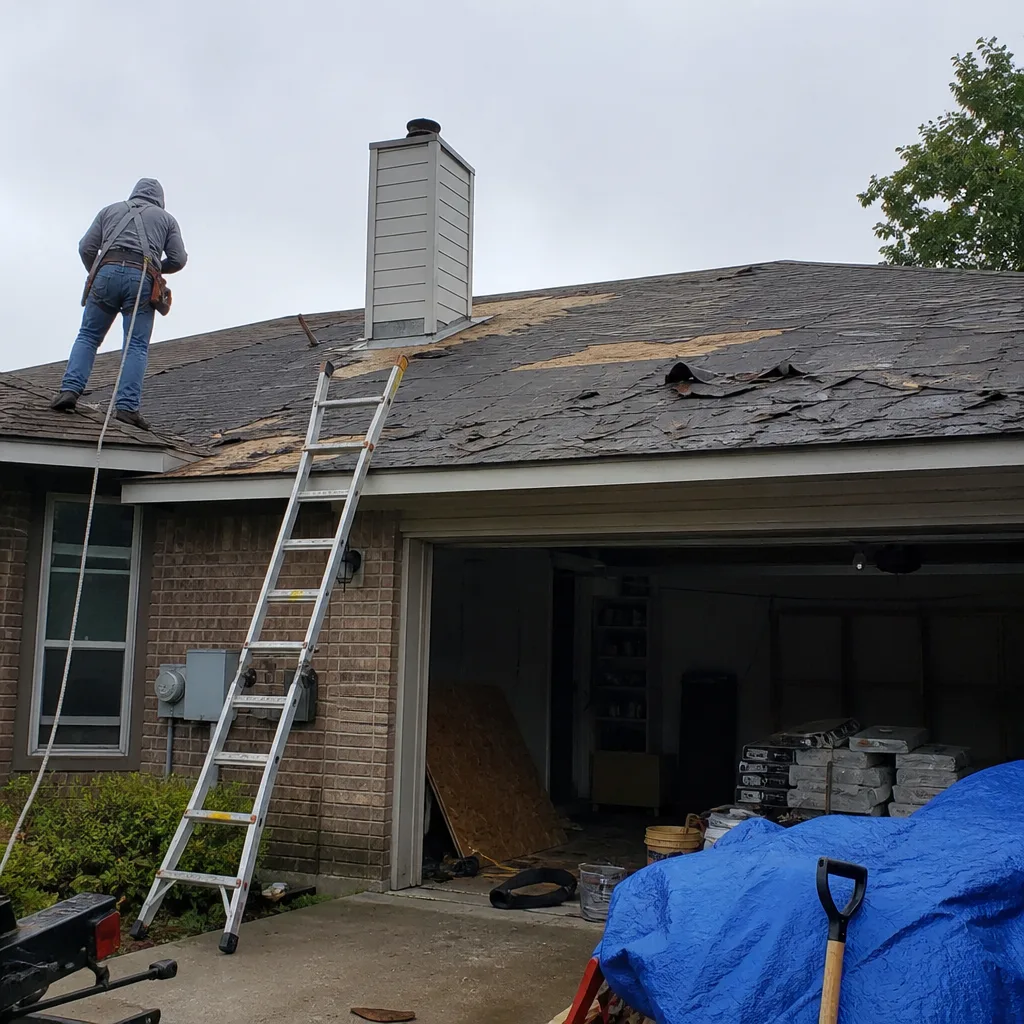 Before
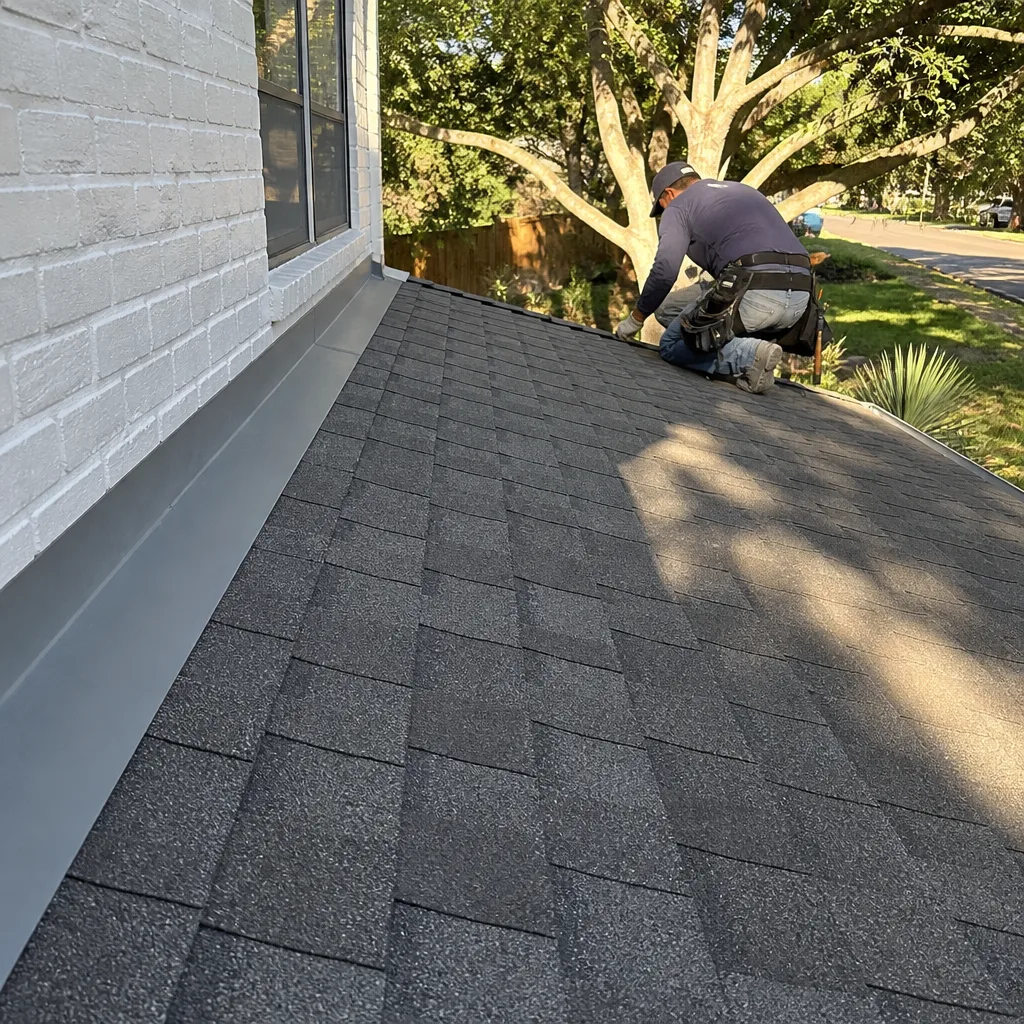
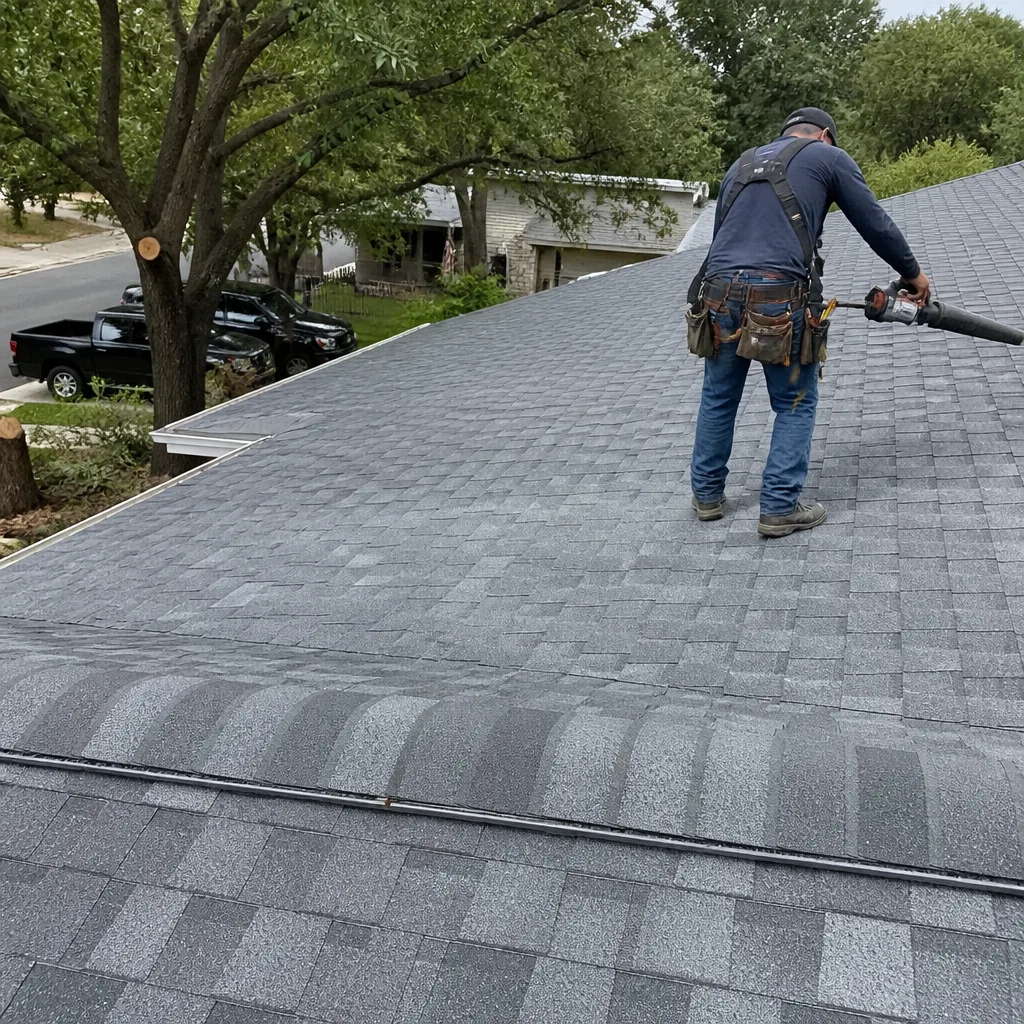 After
After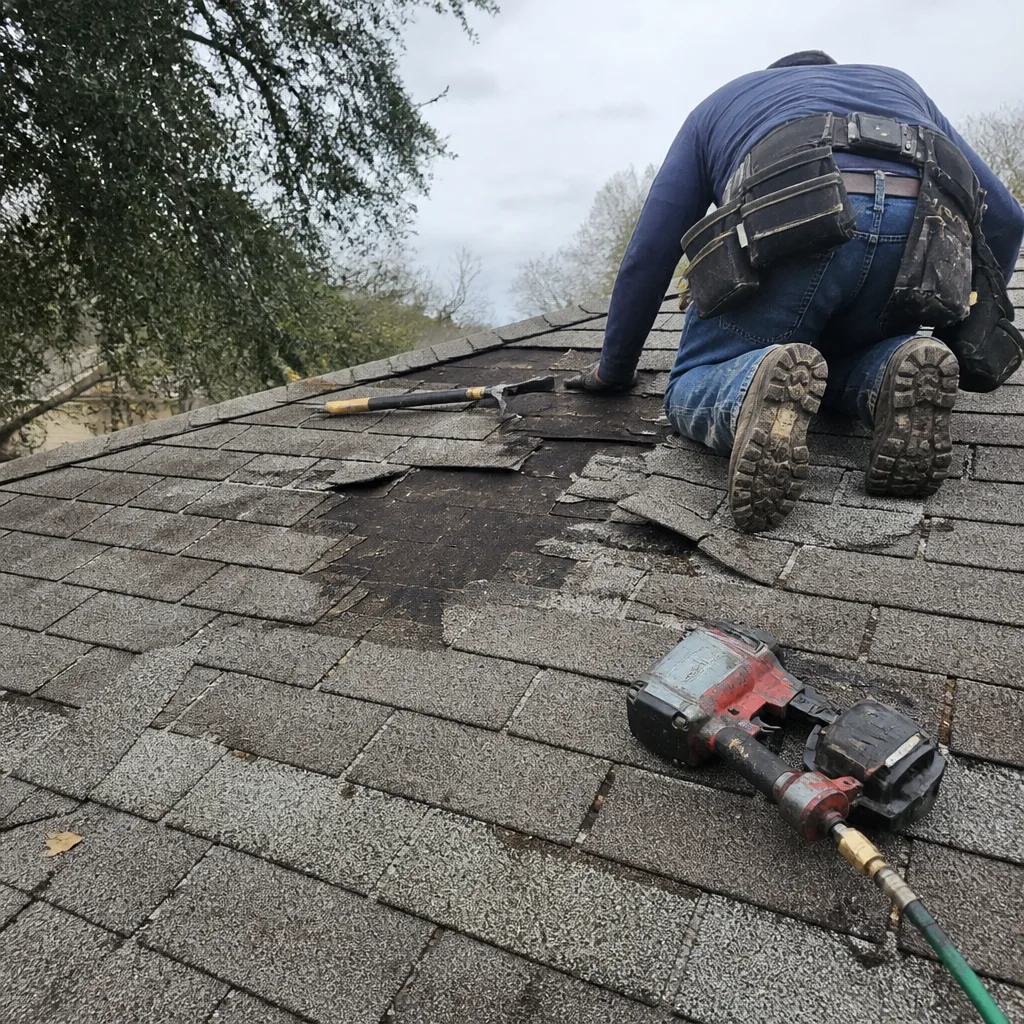 Before
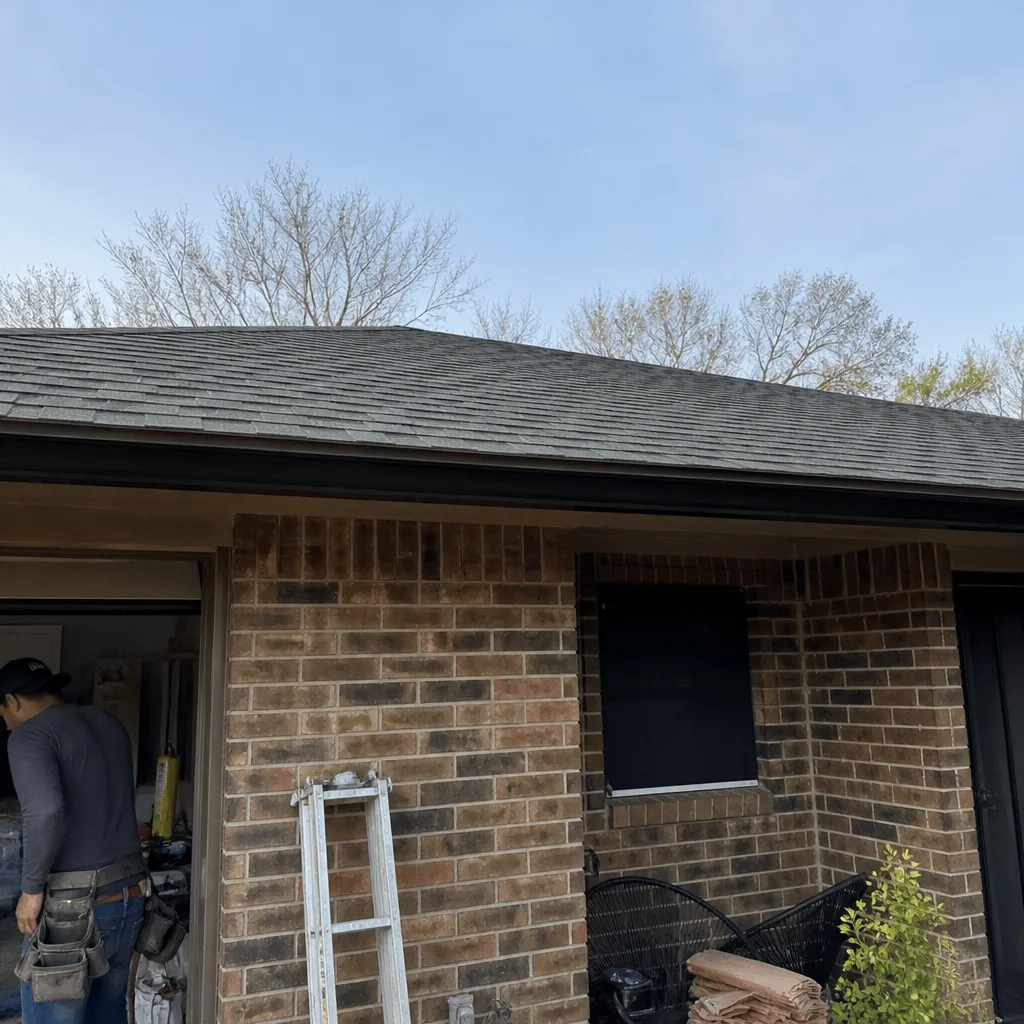 After
After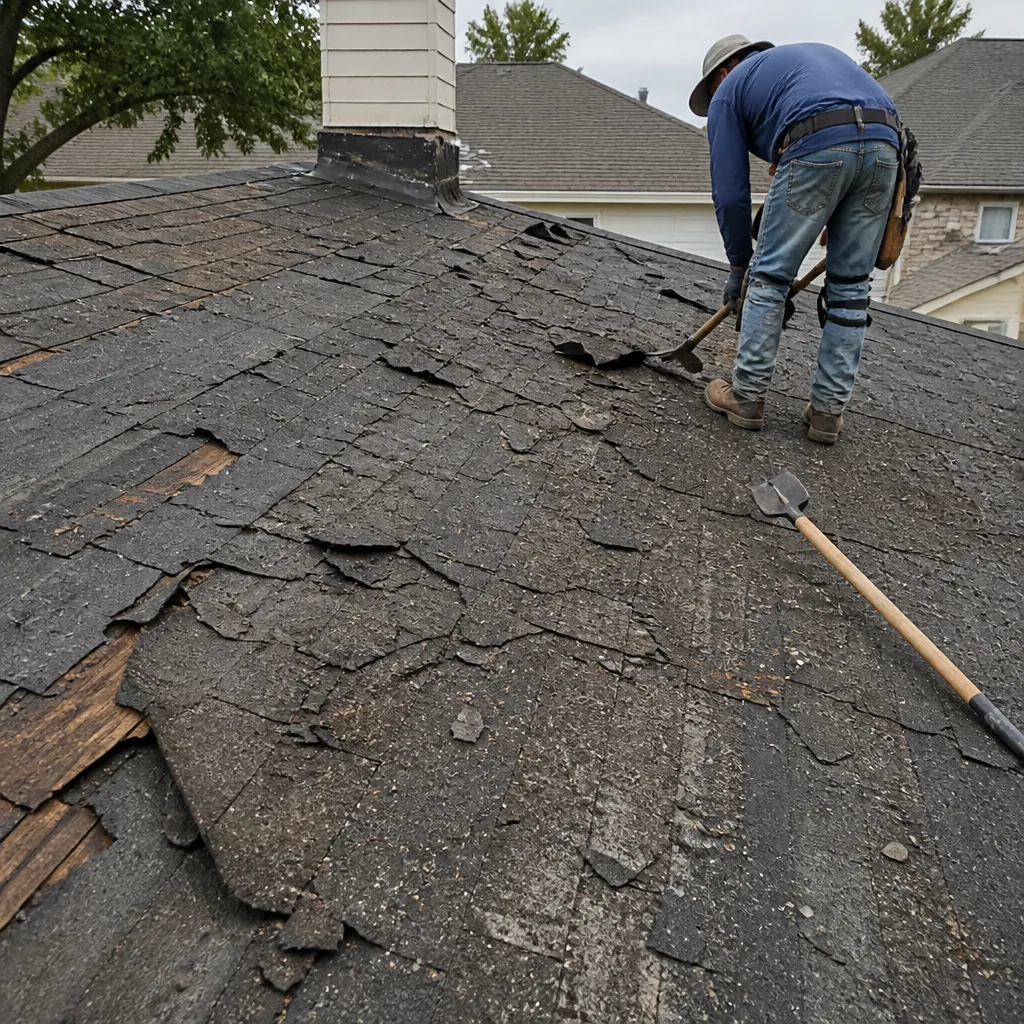 Before
 After
After