
Last updated October 17, 2026
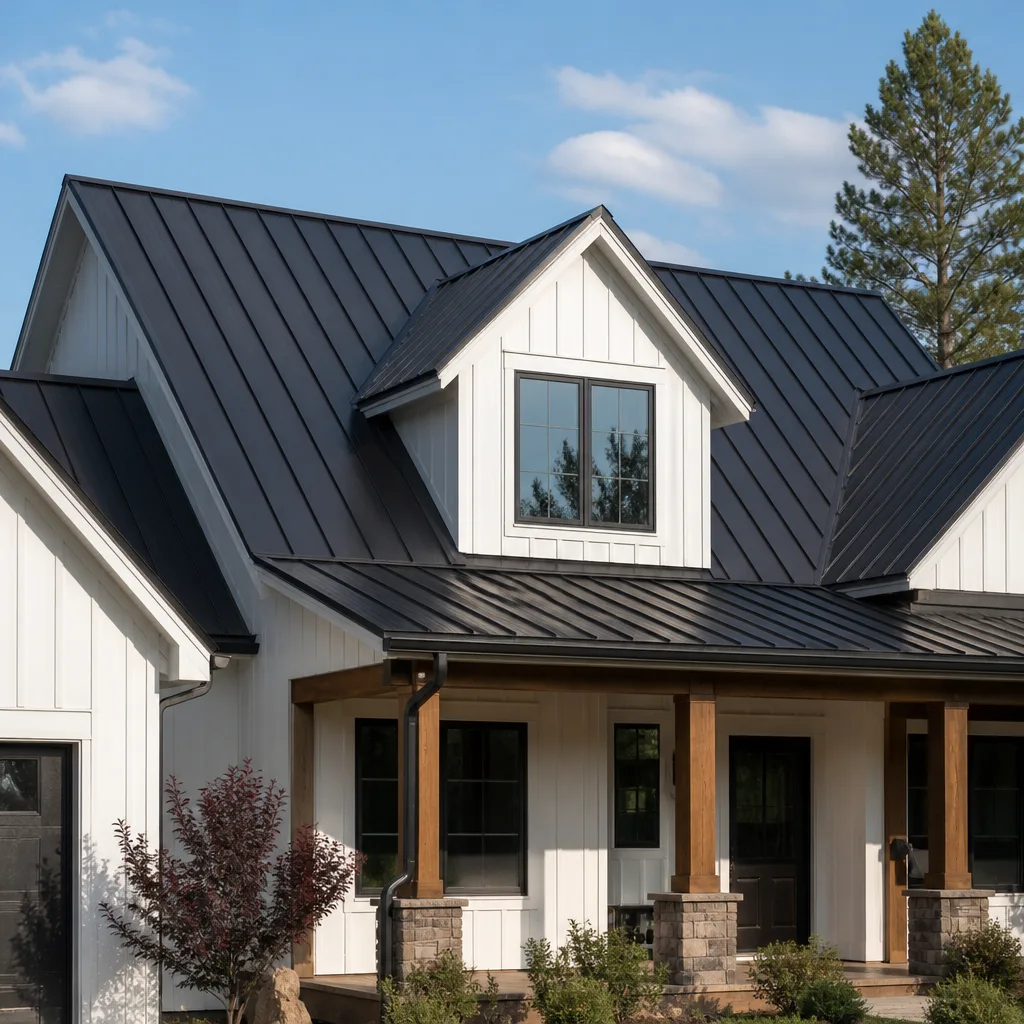 Metal roofing
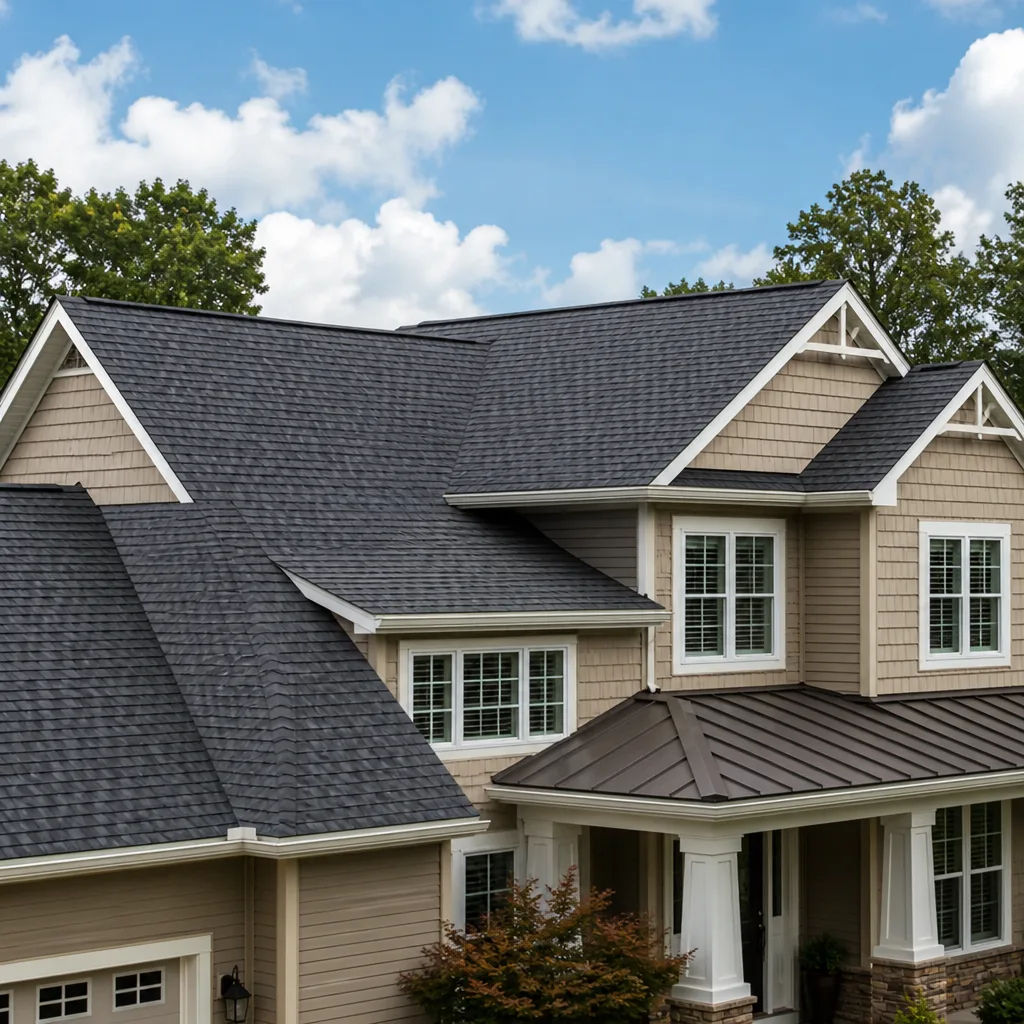
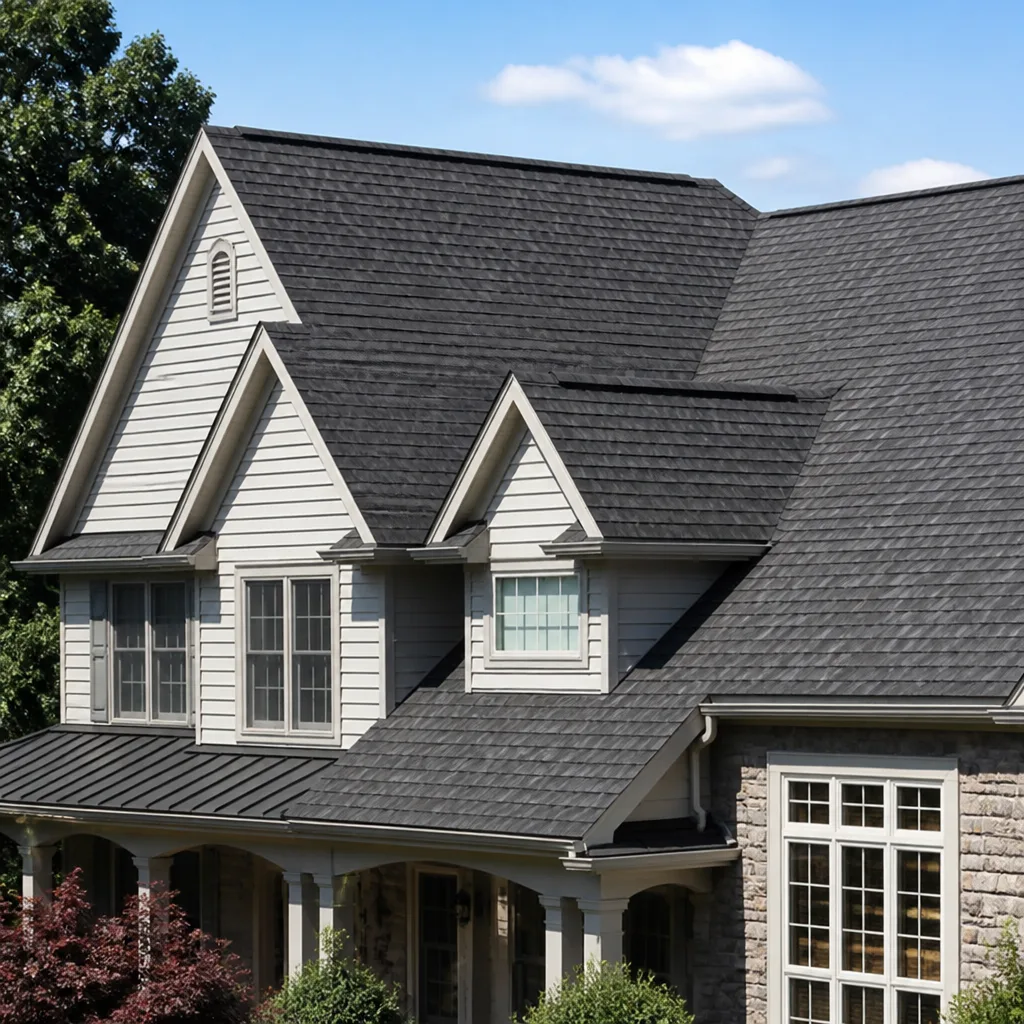 Architectural shingles
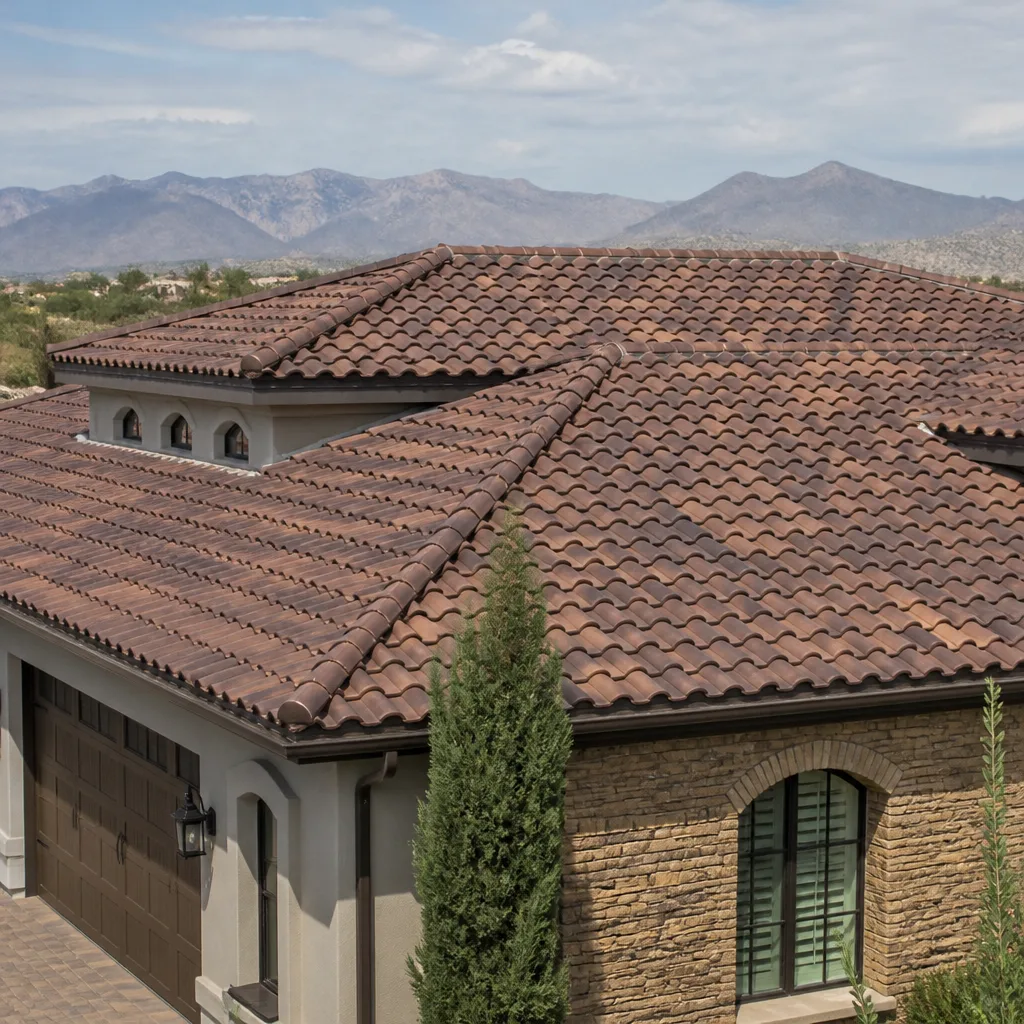 Tile roofing
 GAF
GAF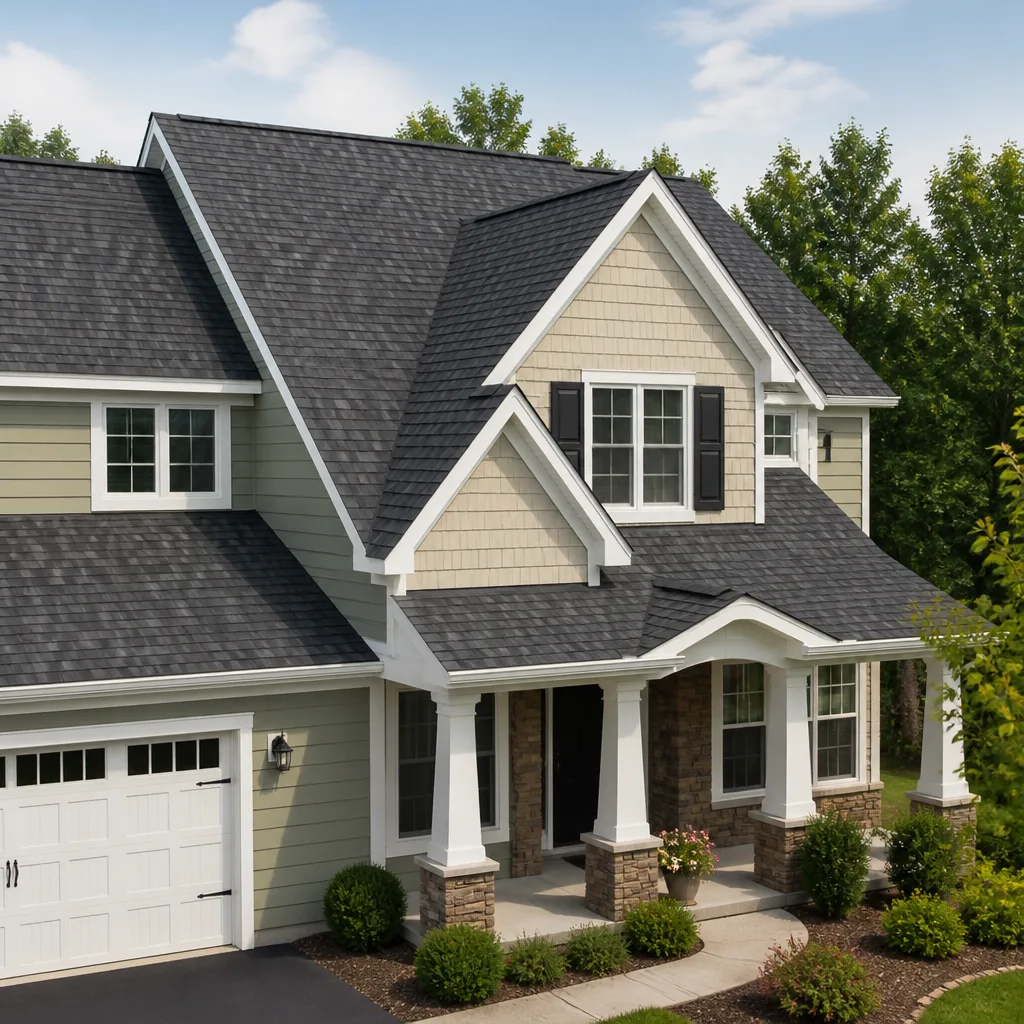 Owens Corning
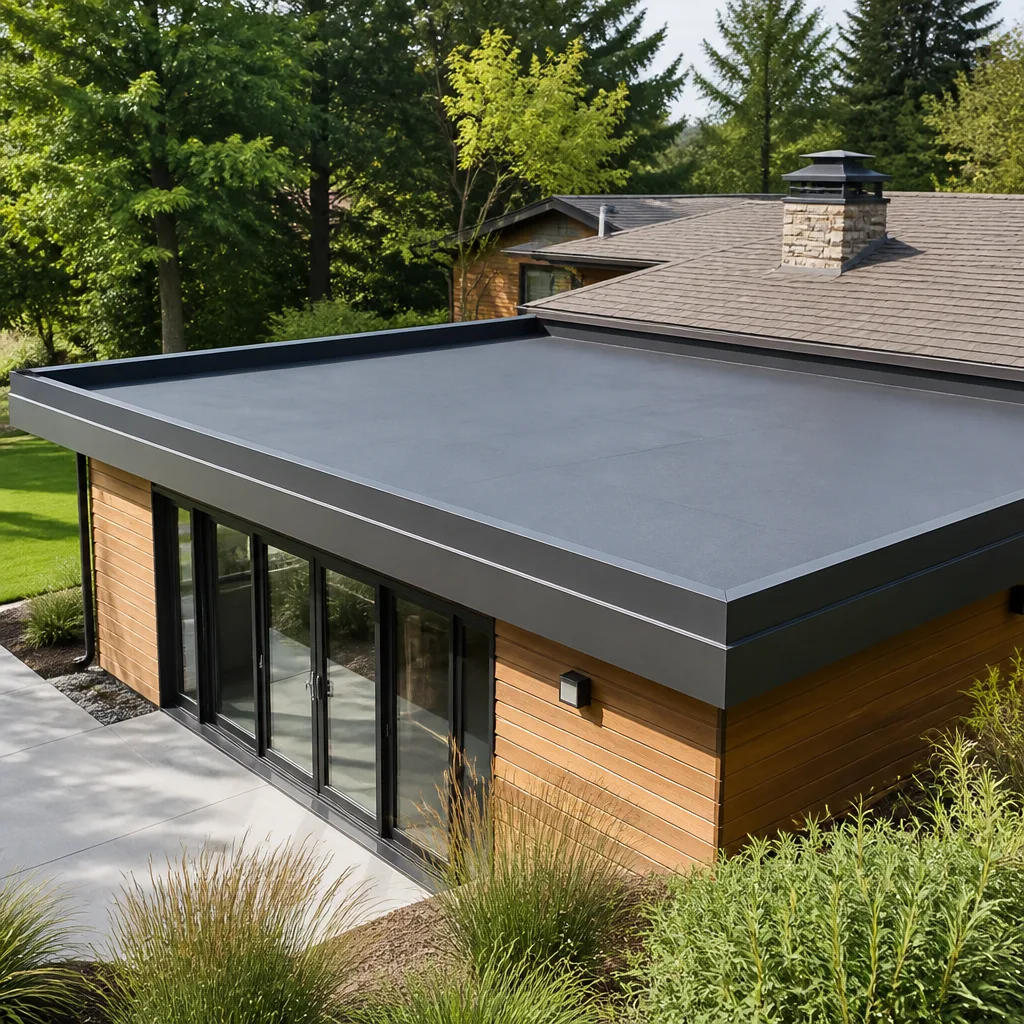 Flat & low-slope
Free roof inspection with deck photos before we talk money - GAF and Owens Corning certified installation
Roofing Cost Breakdown: The San Antonio Homeowner’s Reference for 2026
Most San Antonio homeowners we sit down with have already collected two or three roofing quotes. What they show us is not a small price difference. The three bids often spread $4,000 to $8,000 apart for what sounds like the identical job: “remove old roof, install new shingles.” That gap is almost never profit margin. It’s what each contractor actually plans to include, and what each one decided to leave out. This guide breaks down every line item on a real roofing estimate so you can read a quote the way a roofer reads it – and know exactly where your money goes before you sign anything. For Roofing Warning Signs: A San Antonio Homeowner’s Reference Guide, see our companion piece.
Quick Answer
A full roof replacement in San Antonio typically runs between $9,500 and $22,000 in 2026, with most homes landing in the $12,000 to $16,000 range. The price depends on roof size, shingle class (3-tab, architectural, or Class 4 impact-resistant), underlayment grade, decking condition, and ventilation work. Repairs are far cheaper, usually $450 to $1,800 depending on what failed and where.
Styles & brands we work with
Table of Contents
- What “Per Square” Actually Means (and How to Convert It)
- The Line-by-Line Anatomy of a Roofing Estimate
- Material Tiers: What You Pay For at Each Level
- Class 4 Impact-Resistant Shingles and Bexar County Insurance
- The Three Cost Surprises That Happen Mid-Job
- What a Fair Payment Schedule Looks Like in 2026
- What Roof Repairs Cost in San Antonio
- Common Mistakes to Avoid
- When to Call a Professional
- Frequently Asked Questions
What “Per Square” Actually Means (and How to Convert It)
Roofers don’t price by square foot. They price by the “square,” which is 100 square feet of roof surface. When a quote says “$450 per square,” that means $450 for every 100 square feet of roofing. This is the single most useful conversion to understand before you compare any two bids in San Antonio.
Here’s how to calculate your roof’s square count without a contractor’s help:
- Measure your home’s footprint. Walk the foundation or use your property survey. Multiply length by width. A 2,400-square-foot single-story home has a roughly 2,400-square-foot footprint.
- Apply the pitch multiplier. Roof pitch adds surface area. A shallow 4/12 pitch adds about 6% (multiply by 1.06). A moderate 6/12 pitch adds about 12% (multiply by 1.12). A steep 9/12 pitch adds about 25% (multiply by 1.25). San Antonio ranch homes with 4/12 to 6/12 pitches usually fall in the 1.06 to 1.12 range.
- Divide by 100. The result is your roof’s square count. A 2,400-square-foot home with a 6/12 pitch: 2,400 × 1.12 = 2,688 square feet, or about 27 squares.
Once you know your square count, you can back into any quote. If a contractor bids $13,500 on a 27-square roof, that’s $500 per square. The next time you hear “per square,” you’ll know exactly what it means against your own house.
Why Pitch Changes Everything
Steeper roofs slow a crew down. They need staging, safety harnesses, and more careful movement. That labor cost shows up in the price. A 9/12 roof in Alamo Heights or Terrell Hills will cost measurably more per square than a 4/12 roof in a Northside subdivision, even with the same shingles. This is also why two neighbors can get quotes that look wildly different. The houses are not actually the same job.
The Line-by-Line Anatomy of a Roofing Estimate
Every legitimate roofing estimate in San Antonio should break down into the same components. If a quote arrives as a single number with no line items, that’s not a quote. That’s a guess. Here is what each line means and roughly what it should cost in 2026.
| Line Item | What It Is | Typical 2026 Range |
|---|---|---|
| Tear-off & disposal | Removing old shingles, underlayment, and hauling debris. Includes dump fees. | $55 – $85 per square |
| Decking inspection & repair | Checking OSB or plywood sheathing for rot. Replacing damaged sheets. | $70 – $110 per sheet if replaced |
| Underlayment | Water barrier installed between decking and shingles. Synthetic is standard now. | $30 – $55 per square |
| Shingles (material) | The visible roof surface. Architectural asphalt is the San Antonio default. | $120 – $280 per square depending on class |
| Flashing | Metal at valleys, chimneys, walls, and penetrations. Prevents the leaks nobody sees until it rains. | $250 – $700 total depending on roof complexity |
| Drip edge | Metal strip along eaves and rakes that directs water into gutters, not behind them. | $3 – $6 per linear foot |
| Ventilation | Ridge vents, soffit vents, or box vents. Attic airflow affects shingle life and energy bills. | $150 – $600 depending on type and quantity |
| Clean-up & protection | Drop cloths, magnetic nail sweep, hauling, and final inspection. | $200 – $500 |
| Permit & inspection | City of San Antonio permit and final inspection. Non-negotiable for replacements. | $150 – $400 |
We show every one of these lines on every roof replacement in San Antonio we quote. A written price before any work starts means you see the tear-off cost, the underlayment grade, the shingle class, and the flashing scope as separate numbers. You don’t have to ask for it. It’s the quote.
Why Two Quotes for the “Same Roof” Differ
The shingle line item is what most homeowners compare first. But the real differences hide in the lines above it. One contractor includes 50 feet of new flashing; another reuses the old metal and hopes it holds. One includes synthetic underlayment; another buries a code-minimum felt paper. One staples a tarp over your flower beds; the other hangs a crew with a magnetic sweep and a clean-up photo requirement. None of that is visible from the street after the job is done, which is exactly why it matters.
Material Tiers: What You Pay For at Each Level
Shingles are not all the same product with different marketing. There are real performance differences, and they map to real price differences. Here’s what you’re paying for at each tier, using materials we work with regularly from GAF, CertainTeed, and Tamko.
- 3-tab asphalt (basic): $120 – $160 per square installed. The flat, single-layer shingle that was standard for decades. Lighter, more prone to wind lift, shorter life. Rarely worth installing in 2026 when architectural shingles cost only marginally more. Some HOAs still mandate them for aesthetic consistency.
- Architectural / dimensional asphalt (standard): $180 – $260 per square installed. The default for most San Antonio homes. Two layers laminated together create depth and a 30-year to 50-year manufacturer warranty. Better wind resistance. This is what we recommend for the majority of roofs in the area.
- Class 4 impact-resistant (premium): $280 – $400 per square installed. Designed to withstand 2-inch hail impacts without cracking. More on why this matters in Bexar County below, but the short version: insurance companies notice.
- Standing seam metal (alternate premium): $550 – $800 per square installed. A different roof system entirely. 50+ year lifespan, excellent for shedding San Antonio heat, but a much larger upfront commitment. Material brands like Boral also produce stone-coated steel options in this range.
Underlayment follows the same logic. Fifteen-pound felt paper costs $12 – $18 per square and meets code. Synthetic underlayment costs $30 – $55 per square, resists tearing during installation, lays flatter, and handles San Antonio’s sudden downpours better if shingles get damaged before replacement. We use synthetic by default. It’s not an upsell; it’s what we’d put on our own houses.
Class 4 Impact-Resistant Shingles and Bexar County Insurance
San Antonio sits in one of the most hail-active regions in Texas. Bexar County averaged over 30 hail events per year in the last decade, with stone sizes regularly reaching 1 inch or larger. That’s not a weather trivia footnote. It’s the single biggest financial variable in your roofing decision.
Class 4 impact-resistant shingles are tested to withstand a 2-inch steel ball dropped from 20 feet without cracking. Standard architectural shingles do not carry that rating. The upfront premium for Class 4 ranges from $2,000 to $4,500 on a typical San Antonio roof, depending on size and brand.
Here’s what that premium actually buys you:
- Insurance premium discounts. Many Texas carriers offer 15 – 30% off the wind/hail portion of a homeowner’s policy for documented Class 4 roofs. On a $2,500 annual premium where wind/hail represents 60% of the cost, that’s $225 – $450 per year back.
- Payback window. At $300 average annual savings, a $3,000 Class 4 upgrade pays for itself in about 10 years on premiums alone. Add one avoided deductible from a hailstorm that would have destroyed a lesser roof, and the math shifts dramatically. Many San Antonio homeowners we talk to see a full payback in 3 – 5 years when a storm actually hits.
- Claim leverage. A Class 4 roof that takes hail without damage means no claim, no deductible, no premium increase. That’s the part that doesn’t show up on an estimate but shows up in a bank account.
Some carriers require proof of installation from the contractor, including shingle brand and class documentation. A proper roofing company in San Antonio provides that paperwork as part of the job, not as a follow-up request.
The Three Cost Surprises That Happen Mid-Job
Every roofer in San Antonio has seen the same three things hiding under old shingles. They are not rare. They are common enough that a written estimate should address each one before work starts. If a quote does not mention them, the contractor is either hoping they don’t appear or planning to charge extra when they do.
1. Rotted Decking
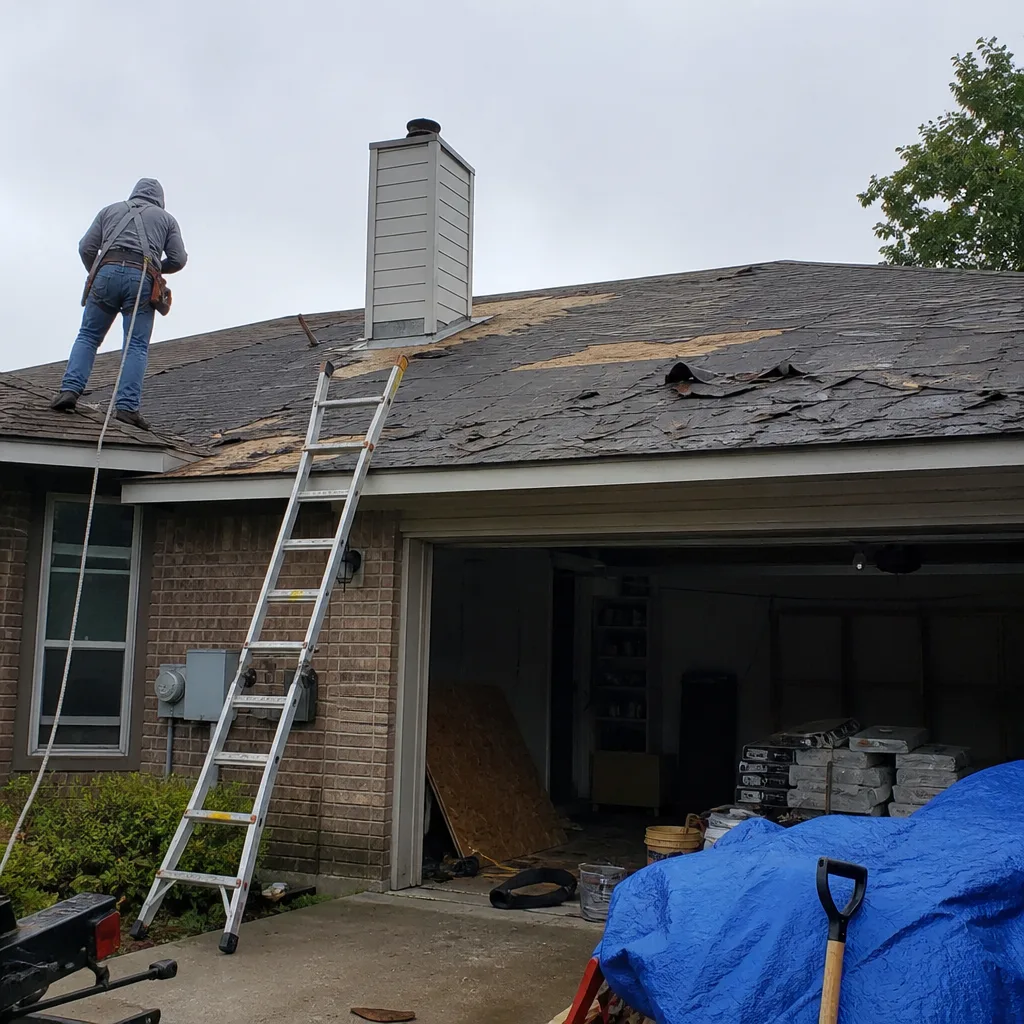
OSB or plywood sheathing that has been wet for years turns soft. When the old shingles come off, the roofer finds it. San Antonio’s combination of summer heat and sudden heavy rain means decking rot around valleys, chimneys, and roof penetrations is common. Replacing a sheet costs $70 – $110. A roof with three or four bad sheets adds $300 – $450 to the job. A written estimate should state a per-sheet replacement price up front so the total is calculable, not a surprise.
2. Improper Ventilation
Many older San Antonio homes were built with minimal attic ventilation. Ridge vents may not exist. Soffit vents may be painted over or blocked by insulation. When a new roof goes on, that’s the moment to fix it. Proper ventilation extends shingle life and reduces attic temperatures, which in turn reduces cooling load in a city where summer runs six months long. See our Seasonal Roofing Care for San Antonio: Year-Round Homeowner’s Guide for maintenance timing. Budget $150 – $600 depending on what’s needed. This is not an optional add-on. It’s a system requirement.
3. Failed Pipe Boots
Every plumbing vent pipe that pokes through your roof has a rubber boot around it. In San Antonio heat, rubber dries, cracks, and eventually leaks. A failed pipe boot is one of the most common roof repair in San Antonio calls we get. During a full replacement, the boots should be replaced as a matter of course. Some estimates omit this line because it’s small and easy to overlook. Replacing four boots costs $200 – $400. Overlooking them costs a ceiling stain and a second visit.
What a Fair Payment Schedule Looks Like in 2026
The way a contractor structures payment tells you more about their business health than any marketing claim. A fair schedule protects both parties: the contractor has working capital for materials, and the homeowner retains leverage until the job is done.
Here’s what a reasonable payment schedule for a San Antonio roof replacement looks like in 2026:
- Deposit at contract signing: 10 – 20%. This covers permit fees and locks the material order. More than 30% as a deposit is a red flag. It means the contractor is financing their last job with your deposit.
- Payment upon material delivery: 30 – 40%. Some contractors want 50% at this stage. That’s aggressive but not disqualifying. What matters is that materials are actually on your property before you write this check.
- Final payment upon completion and inspection: 40 – 60%. The balance after the city inspection passes and you’ve walked the property with the contractor. No final payment until clean-up is verified.
We issue a written price before any work starts, and the payment schedule is part of that document. No verbal agreements. No “we’ll figure out the extras later.” Every number is on paper before a single shingle comes off.
What Roof Repairs Cost in San Antonio
Not every roofing problem requires a full replacement. Repairs are the right call when the roof is structurally sound and the issue is localized. Here’s what common repairs run in San Antonio in 2026:
- Pipe boot replacement: $180 – $350. A one-hour job that prevents ceiling stains. Should include new boot, sealant, and a quick check of surrounding shingles.
- Flashing repair at a chimney or wall: $350 – $800. The metal itself is cheap; the labor of removing and re-sealing around the obstruction is not.
- Valley leak repair: $400 – $900. Valleys channel more water than any other part of the roof. Improper valley flashing or old shingles there fail first.
- Small area re-shingling (under 3 squares): $450 – $1,100. After a tree limb or wind event. Should match existing shingles as closely as possible.
- Ridge vent replacement: $300 – $700. A failed ridge vent is both a leak risk and a ventilation issue. Replacing it is quick but material-dependent.
Most residential roof repairs in these scopes run between $400 and $1,200. You’ll see your exact number in writing before we start. That’s not negotiable with us – it’s the standard we hold every job to.
If a repair estimate comes back at $3,500 and your roof is over 15 years old, ask whether the repair is buying you two years or ten. In San Antonio’s sun and hail cycle, a 15-year-old roof with multiple failed areas may be at the point where repair money is better spent toward replacement. A straightforward contractor will tell you that. We do.
Common Mistakes to Avoid
- Comparing quotes by total only. The bottom line hides everything. One quote at $11,500 with synthetic underlayment, new flashing, and Class 4 shingles is a better deal than $10,800 with felt paper, reused flashing, and builder-grade materials. Compare line items first, total second.
- Not asking about decking replacement pricing before work starts. If the estimate does not include a per-sheet price for rotted decking, you are agreeing to an unknown. Ask for the number in writing.
- Ignoring ventilation in a replacement quote. A new roof over a poorly ventilated attic is a warranty claim waiting to happen. Confirm the estimate addresses airflow, even if it costs a few hundred dollars extra.
- Paying more than 30% as a deposit. A contractor asking for 50% before materials are delivered is shifting risk onto you. Walk away from that math.
- Skipping the permit. In the City of San Antonio, a roof replacement requires a permit and final inspection. A contractor who suggests skipping it is saving themselves time at your long-term risk. Unpermitted roofs create problems when you sell the house.
- Not verifying what “clean-up” means. Every roofer says they clean up. Ask what that actually includes: magnetic nail sweep across the driveway and yard, debris hauled off-site, gutter flushing, a final walk-through. If they cannot answer specifically, assume the answer is “the visible stuff.”
- Rushing a decision after a hailstorm. Out-of-town storm chasers descend on San Antonio after every major hail event. They work fast, promise insurance miracles, and are gone before the first leak appears. A local company with a physical presence in the city is accountable to you next season and the season after that.
When to Call a Professional
Some situations can wait, and some cannot. If you see water stains on a ceiling, granules piling up in gutters, shingles lifting at the edges, or daylight through the attic boards, the problem is already advanced. Roofing work also involves heights and heavy materials – a fall from even a single-story roof is serious. We recommend trained professionals for any work above the gutter line, and for any repair that touches the roof’s water-shedding system rather than just its surface. Birchbark Roofing San Antonio offers free estimates in San Antonio – call (903) 354-7802 and we’ll send a uniformed technician to assess what’s actually going on, write it down, and give you a number that does not change once work starts.
Frequently Asked Questions
Most full roof replacements in San Antonio run between $9,500 and $22,000, with the typical home landing around $12,000 to $16,000. The main variables are roof size, pitch, shingle class, decking condition, and ventilation scope. A written estimate should break all of these out as separate line items so you can see exactly where the total comes from. Call (903) 354-7802 for an exact quote on your home – estimates are free.
A “square” is 100 square feet of roof surface. Roofers price materials and labor per square, not per individual square foot, because it’s the standard unit for shingle bundles and crew productivity. You can calculate your roof’s square count by multiplying your home’s footprint by a pitch multiplier and dividing by 100. Understanding this conversion is the fastest way to compare two quotes apples to apples.
At Birchbark Roofing San Antonio, no. Our written price before any work starts includes the agreed scope, and we set a per-sheet decking replacement price in advance so any rot discovered during tear-off is calculated at a rate you already approved. If a contractor will not put these numbers in writing before the first shingle is removed, the price can and likely will change. Call (903) 354-7802 to get a written estimate for your roof.
Yes. The City of San Antonio requires a building permit for roof replacements, and the work must pass a final inspection. Our Roofing Permits, Codes & Inspections in TX: What You Need to Know explains the full process. The permit cost should appear as a line item on your estimate, usually $150 to $400. A contractor who suggests skipping the permit is saving themselves time and putting you at risk for code enforcement issues and sale complications later.
For many homes, yes. Class 4 impact-resistant shingles cost $2,000 to $4,500 more upfront on a typical San Antonio roof, but Bexar County’s hail activity means the payback through insurance premium discounts and avoided claims often arrives in 3 to 5 years. Ask your insurance carrier about their Class 4 discount before you commit, and get the specific shingle brand documented by your installer.
Most single-family roof replacements in San Antonio finish in 1 to 3 days, weather permitting. Steeper roofs, larger footprints, and extensive decking replacement add time. The more useful question is what happens inside your home during those days: shoe covers at the door, drop cloths through hallways, and a clean-up photo before the crew leaves. That’s the part a written estimate should describe, not leave to chance. Call (903) 354-7802 to schedule your free estimate.
The Bottom Line
Roofing prices in San Antonio vary by thousands of dollars for the same job, and the difference is never just profit margin. It’s the line items: what underlayment goes down, what flashing gets replaced, what happens to rotted decking, what ventilation gets corrected, and who actually cleans up before they leave. A fair quote names all of that in writing, sets a per-sheet decking price, includes the permit, and structures payment so you keep leverage until the inspection passes. At Birchbark Roofing San Antonio, that’s how every estimate works, whether it’s a repair or a full replacement. Explore more guides & resources on our blog. We’re part of the Cedarwell family of roofing companies since 2000, and every job carries the 365-Day Done Right Promise: if it’s not done right, we make it right. Call (903) 354-7802 and get your written price before any work begins.
Written by Erik Lindgren, Owner at Birchbark Roofing San Antonio, serving San Antonio since 2000.
See the difference
 Before
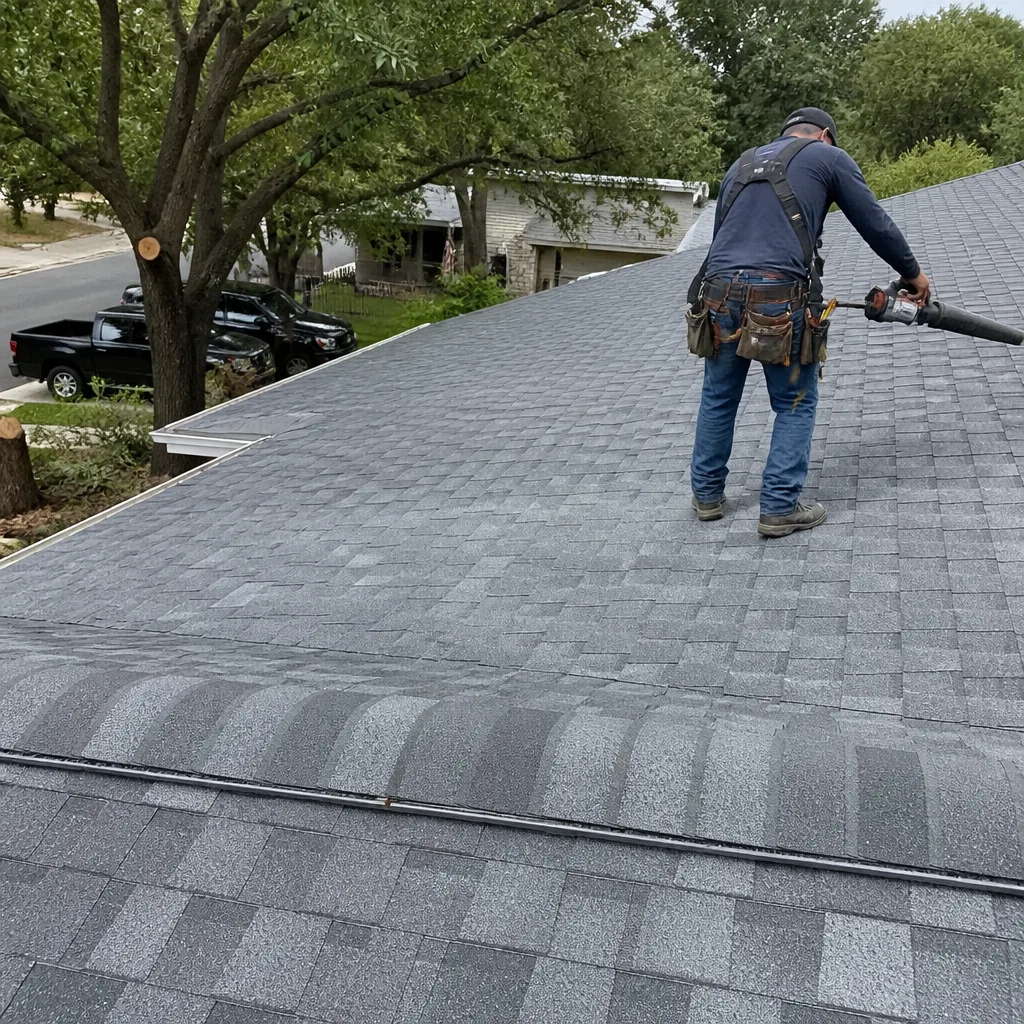 After
After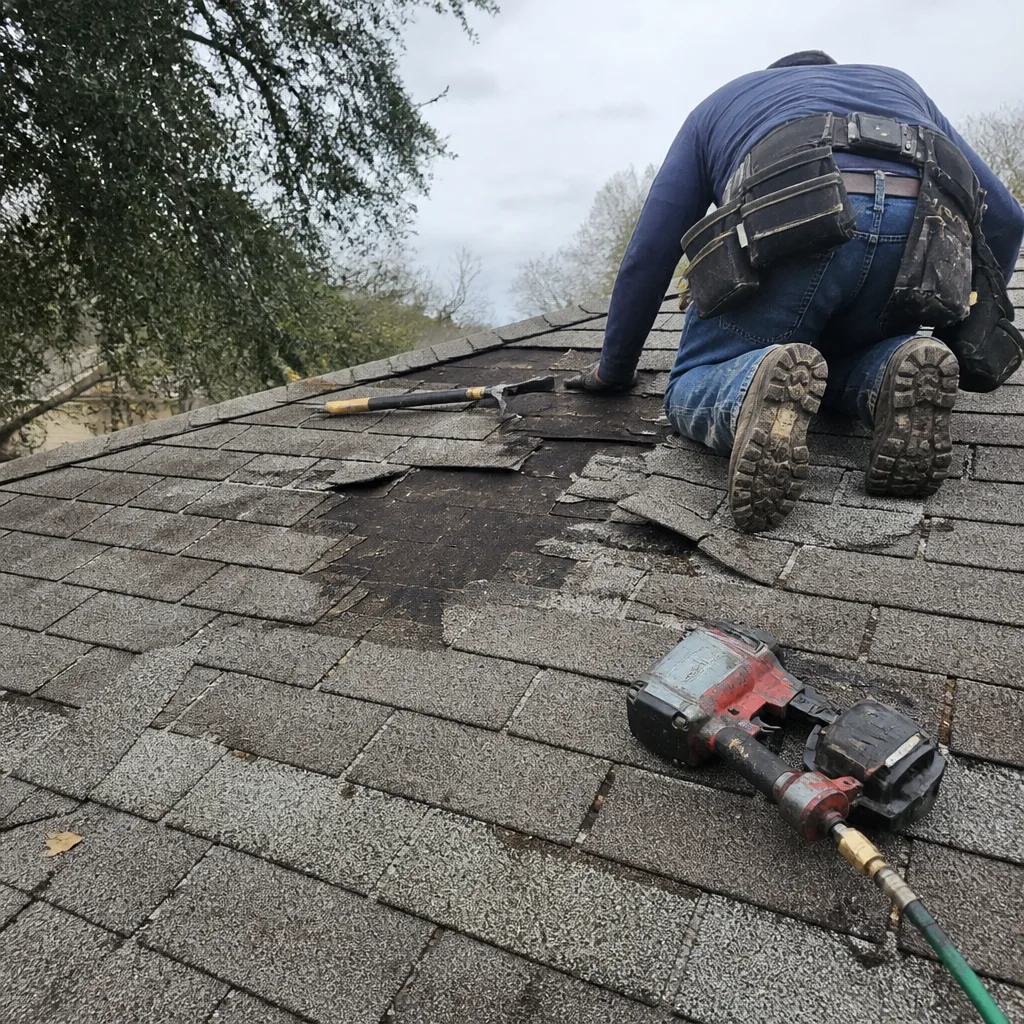 Before
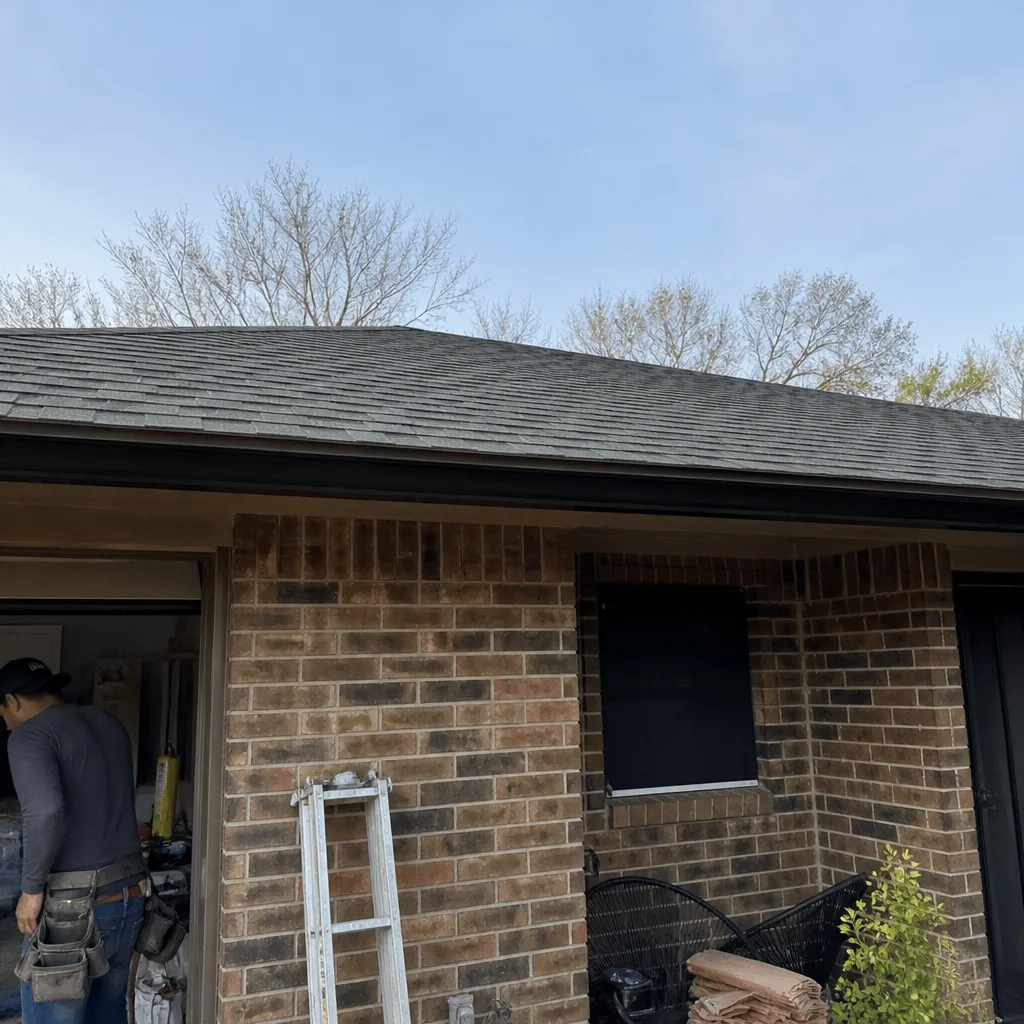 After
After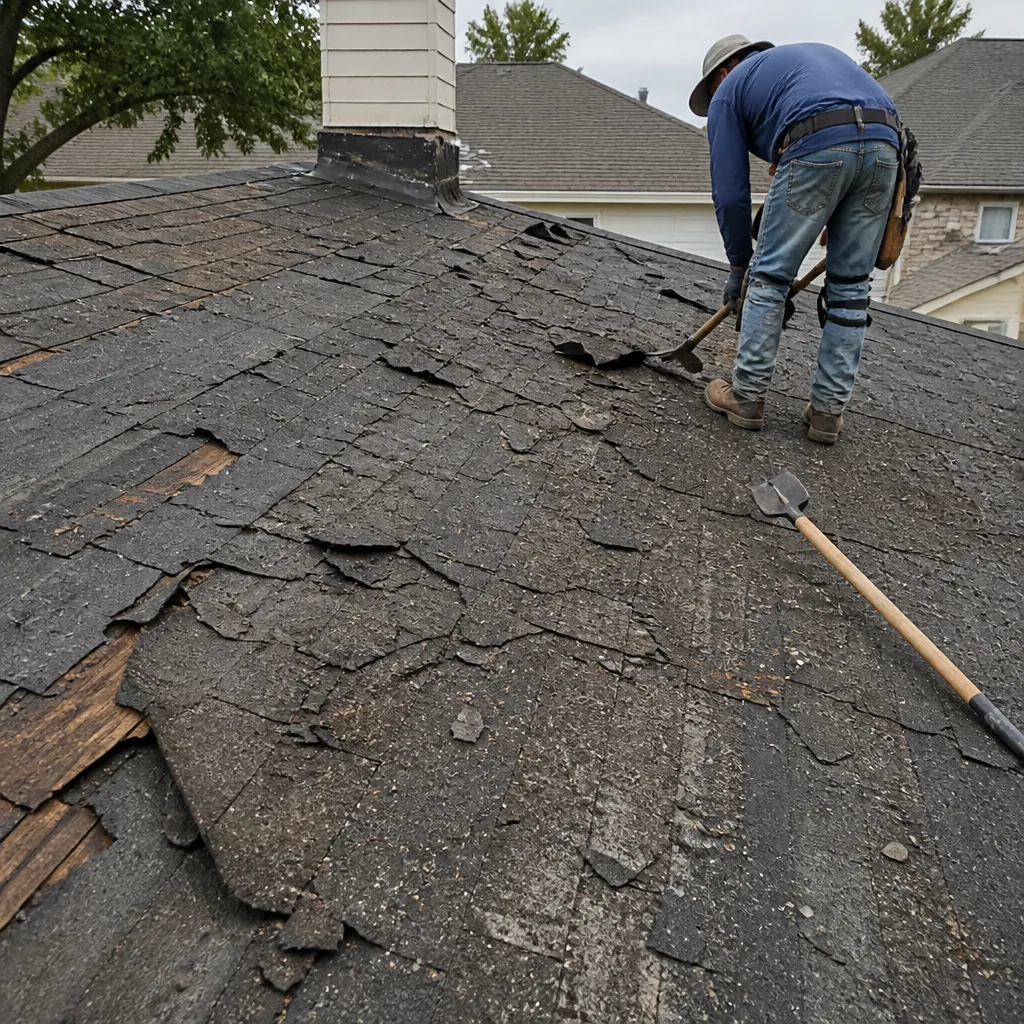 Before
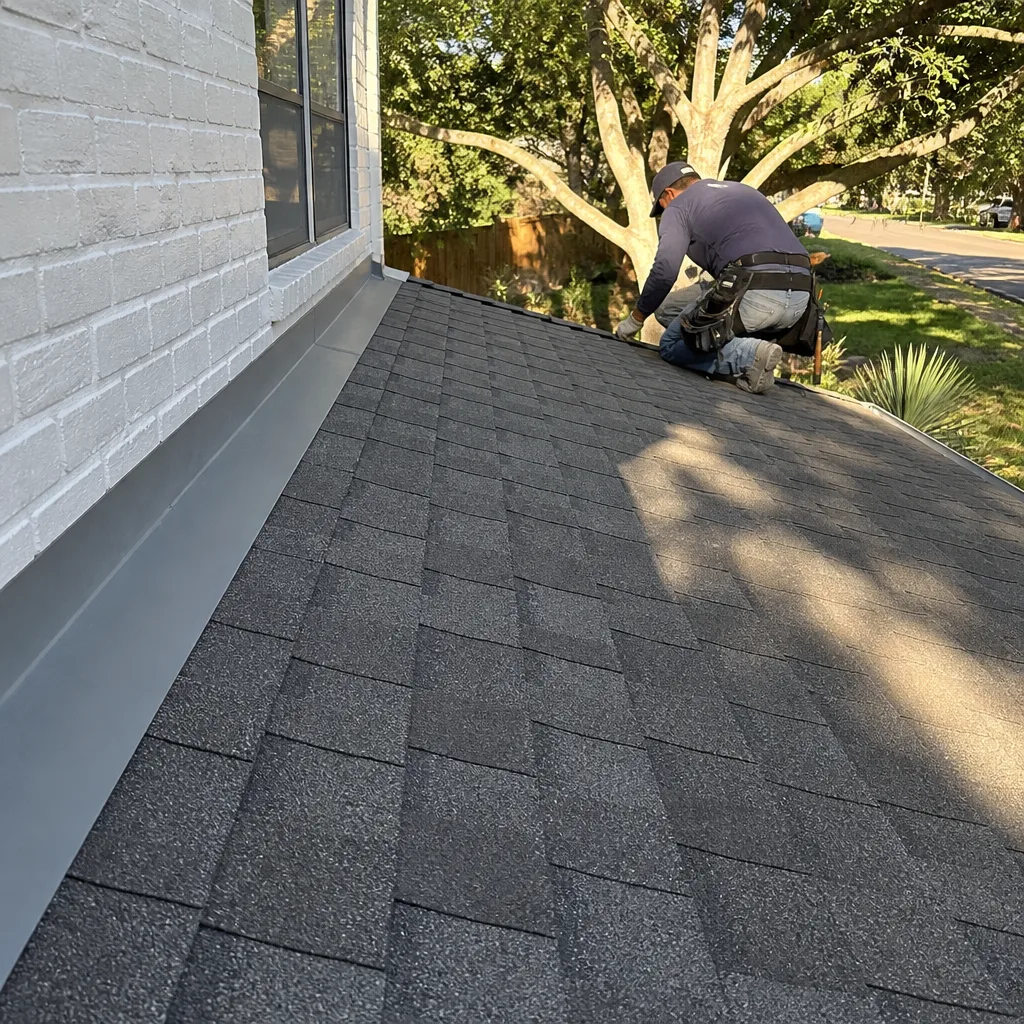 After
After