
 Owens Corning
 Architectural shingles
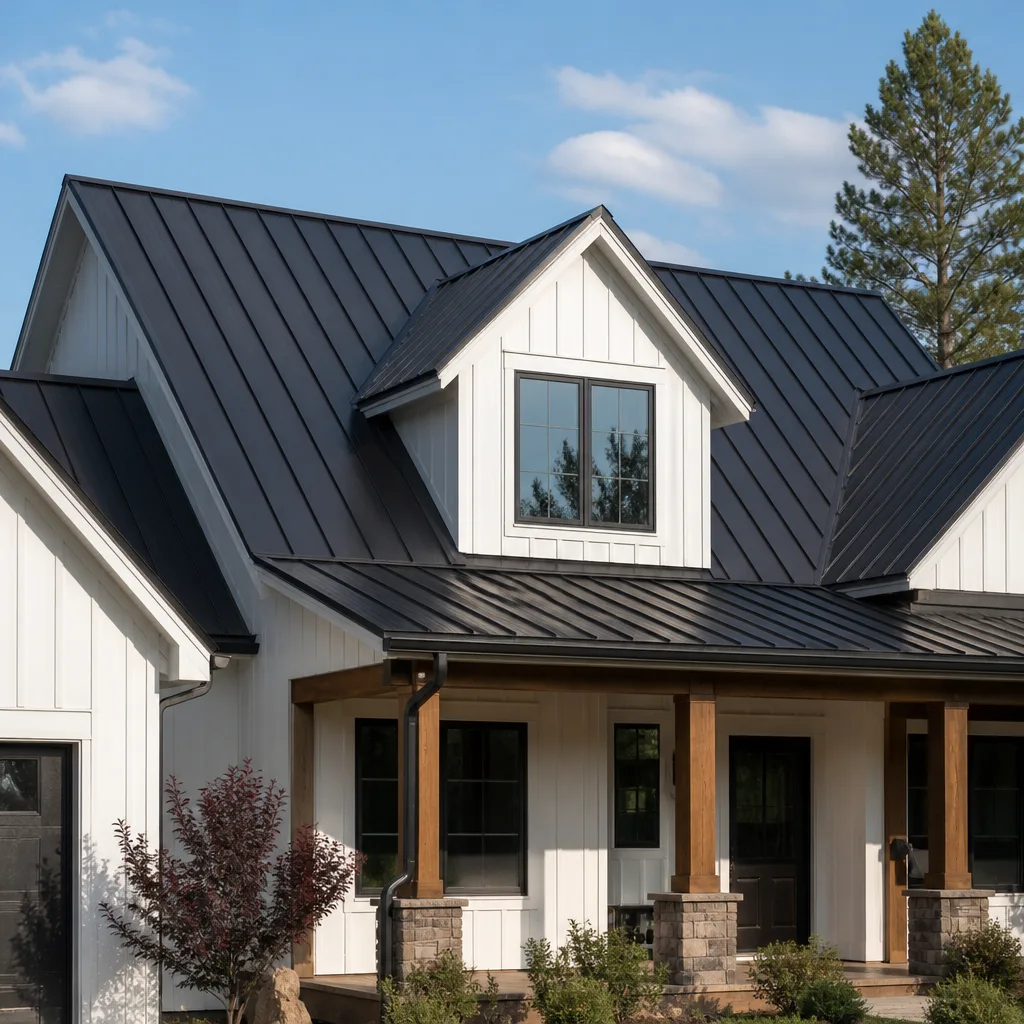 Metal roofing
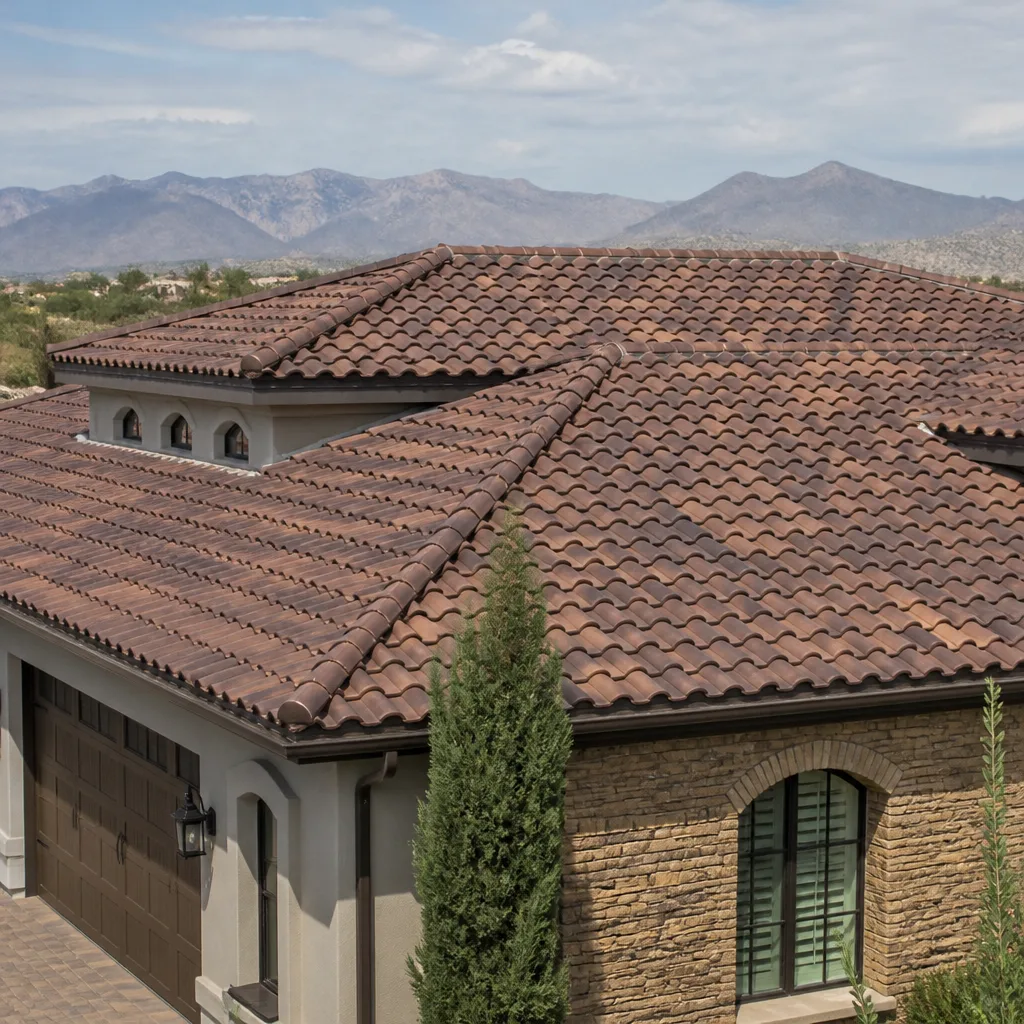 Tile roofing
 GAF
GAF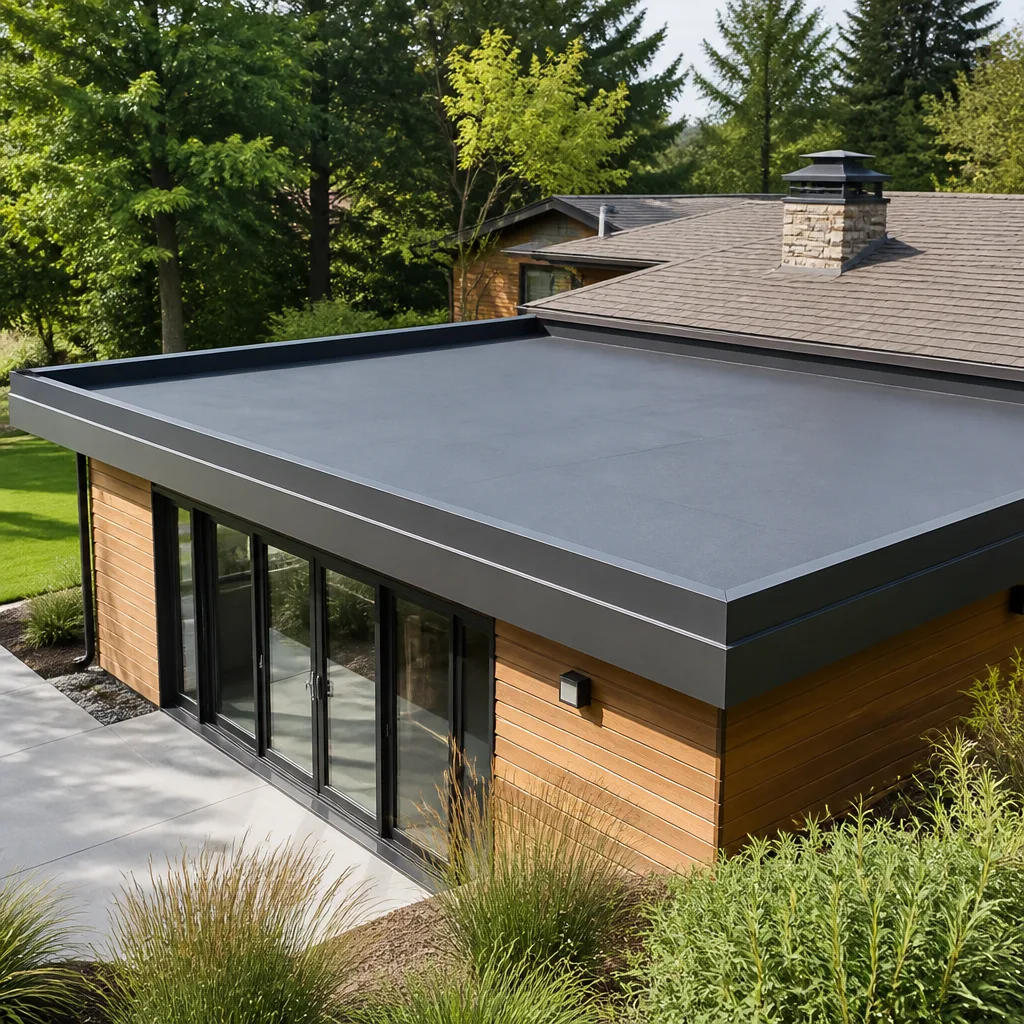 Flat & low-slope
Free roof inspection with deck photos before we talk money - GAF and Owens Corning certified installation
Owens Corning Flashing Replacement: The San Antonio Owner’s Guide
We stock and install Owens Corning-compatible flashing replacement parts across San Antonio, with most residential flashing jobs running between $450 and $1,200 installed depending on the linear footage and how much old sealant needs to be cut out. Flashing failures usually announce themselves quietly: a water stain on the ceiling after a hard Hill Country rain, granules collecting in a gutter near a dormer, or a drip you only notice when the wind drives rain against a specific wall. The flashing itself is rarely the first thing homeowners think of, but it’s the part most likely to be the culprit once shingles and underlayment check out fine.
We’re an independent San Antonio roofing contractor, not a factory arm of Owens Corning. That matters because we’re free to pair the right flashing profile with your existing roof system rather than pushing one product line. Erik Lindgren and our crew have replaced flashing on Owens Corning installations from Alamo Heights to Stone Oak, and the pattern is consistent: the flashing fails before the shingles do, and catching it early keeps a $600 repair from becoming a $4,000 re-deck.
Which Owens Corning Models This Applies To
Owens Corning flashing is not a single universal part. The profile, gauge, and coating vary by product line, and the wrong match can leave a lip that catches water instead of shedding it. Here’s what we work with most often in San Antonio:
- Duration Series – thicker gauge flashing with a SureNail strip profile. Homes with Duration shingles typically have step flashing at 4-inch increments along sidewalls and dormers. Compatibility is specific here: the SureNail fabric strip means you cannot substitute a bargain-bin step flashing without losing the bond line.
- Oakridge Series – a more traditional profile. Flashing for Oakridge roofs is easier to source and aftermarket equivalents hold up well, but the drip edge profile is shallower than Duration, which matters at the eave.
- Berkshire and Woodcrest – these higher-profile shingle lines need taller step flashing, usually 5-inch or 6-inch rises, to clear the shingle’s thicker butt edge. A standard 4-inch flashing will disappear behind the shingle and fail within a season.
- Venting and accessories – Owens Corning’s VentSure and DeckSeal product lines have their own flashing collars. When we replace pipe boots or ridge vent end caps, we use the matching profile rather than a generic rubber boot that fights the vent’s flange shape.
How to identify what you have: check the original invoice if you kept it. If not, look at the shingle edge. Duration shingles show a distinct fabric strip along the nail line. Oakridge shingles have a cleaner, more uniform tab. If you’re not sure, take a photo of a shingle edge and a photo of the failing flashing and call us. Erik can usually identify the profile from photos before we send a crew out.
On the OEM-versus-aftermarket question: for Owens Corning specifically, we use OEM flashing when the profile is unusual or the bond line matters structurally. For standard step flashing and drip edge, we use quality aftermarket equivalents from brands we trust, because the metal itself is the same 26-gauge or 28-gauge galvanized or aluminum, and the savings are real without sacrificing performance. When we use aftermarket, we tell you on the written estimate, in dollars, before anything gets ordered.
Styles & brands we work with
Signs Your Owens Corning Flashing Replacement Is Failing
- Water staining below a chimney or along a wall-roof junction. Step flashing channels water down and away; when a piece lifts or corrodes through, water finds the seam and follows it into the house. The stain usually appears on the ceiling below the junction, not directly under the roof edge.
- Granules collecting near a valley. Valley flashing carries a serious volume of water during Texas downpours. When the valley metal corrodes or separates, shingle granules get caught in the gap and wash down, leaving a telltale trail of dark granules along the valley line.
- Rust streaks or buckling metal visible at the drip edge or eave. San Antonio’s heat-and-rain cycle is brutal on exposed metal. Once flashing begins to rust or warp, it stops laying flat against the fascia and starts inviting water behind it.
- Visible gaps between flashing and the roofline. After a few years of thermal expansion and contraction, flashing can pull away from the wall or deck seam. If you can see daylight through a gap from the ground, water is already getting in.
- Wet spots on an exterior wall directly below a roofline abutment. This is a flashing failure where the water never makes it to the ceiling. It runs down the wall cavity instead, showing up as peeling paint, soft drywall, or a persistent musty smell in an upstairs room.
One honest note: by the time you see most of these signs, water has already found a path. The repair is still usually local, but don’t wait through another storm season. Flashing gets worse with every thermal cycle, and San Antonio gets dozens of them each summer.
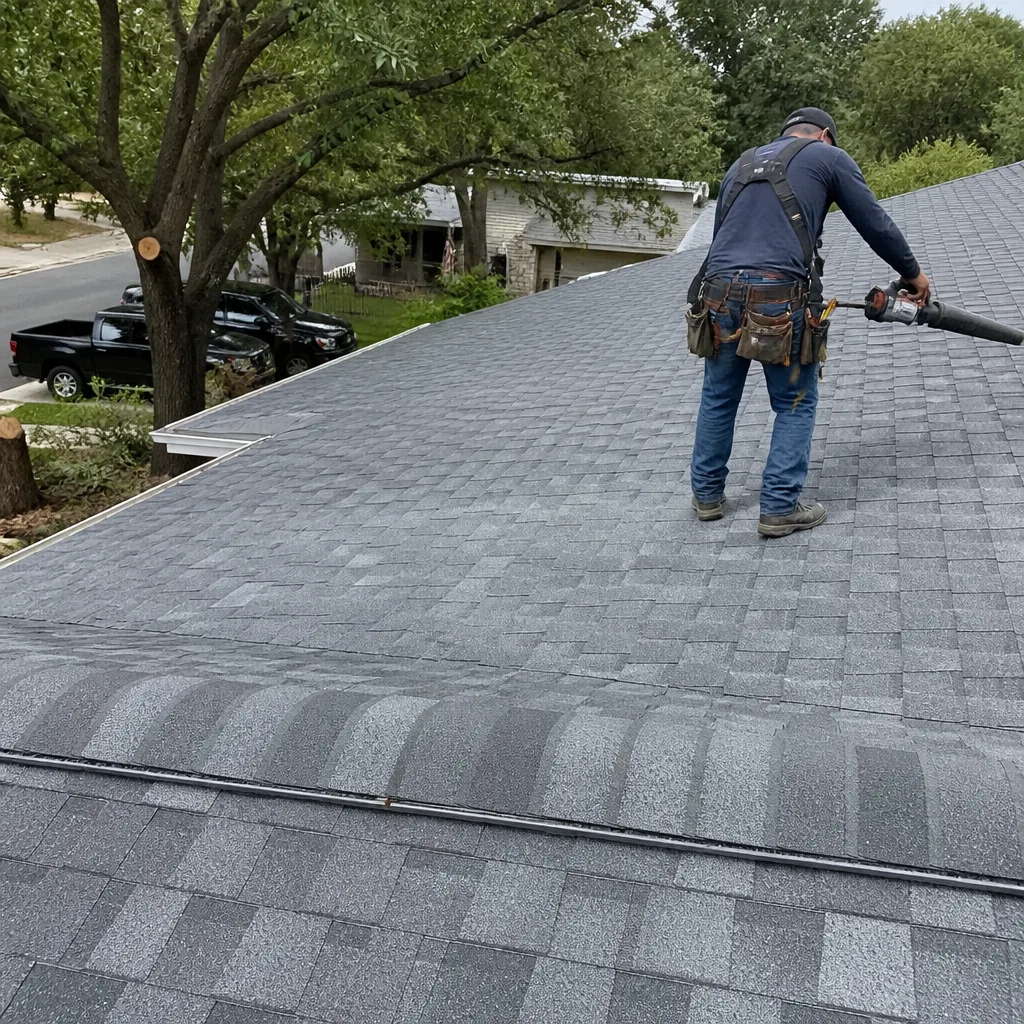
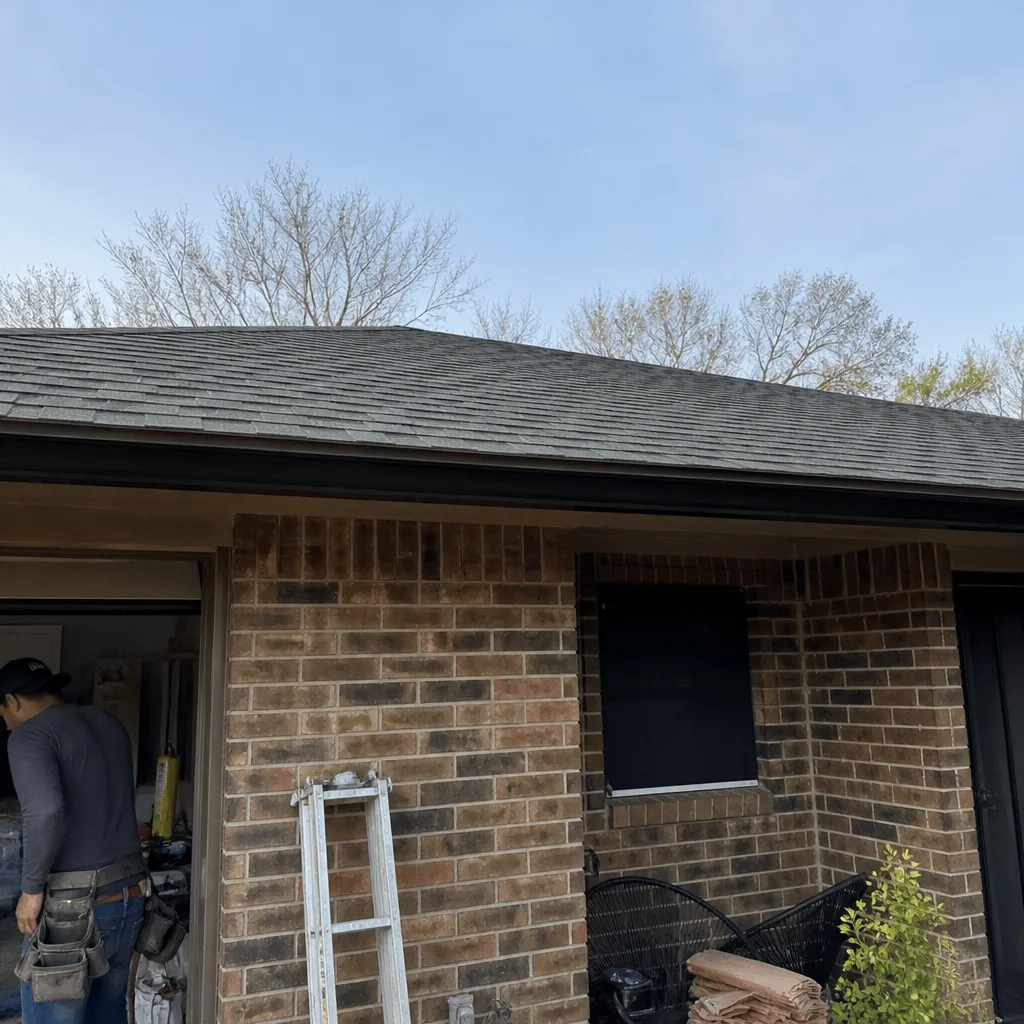
See the difference
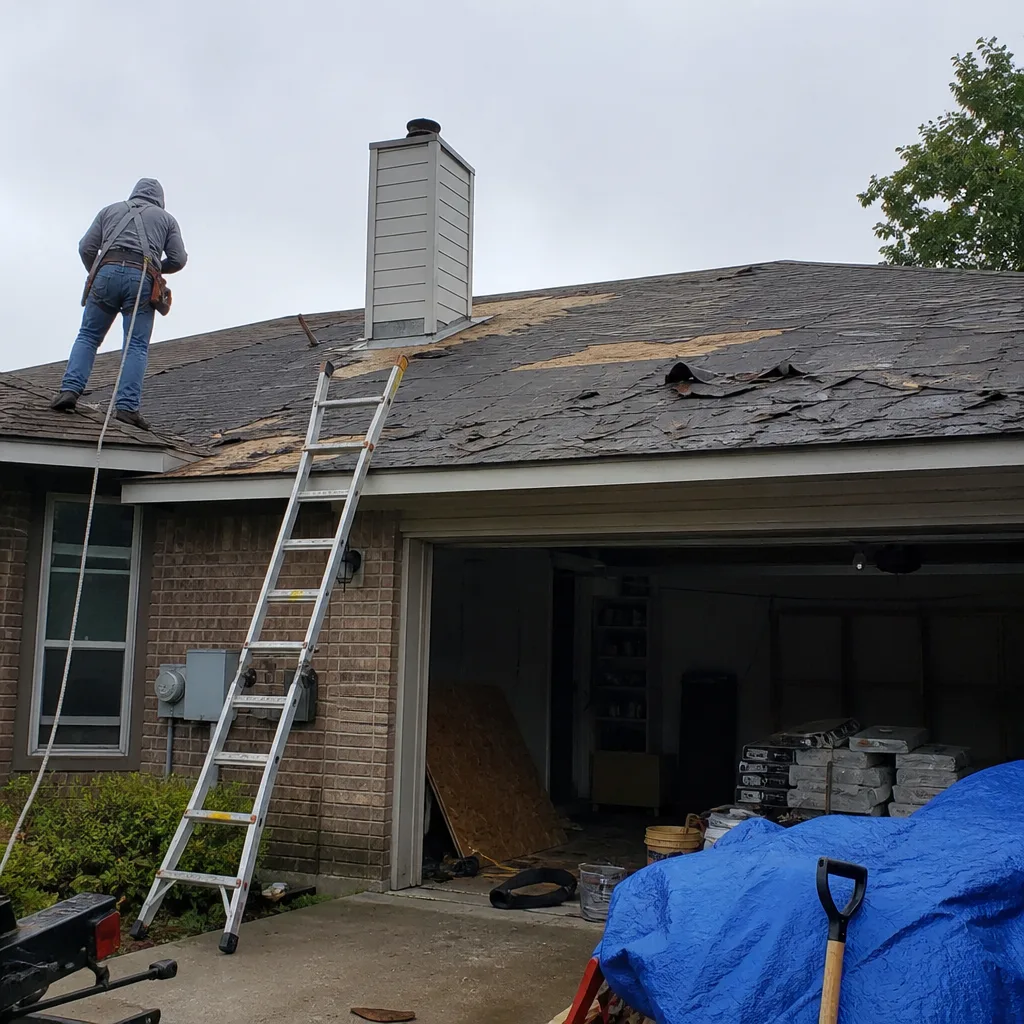 Before
 After
After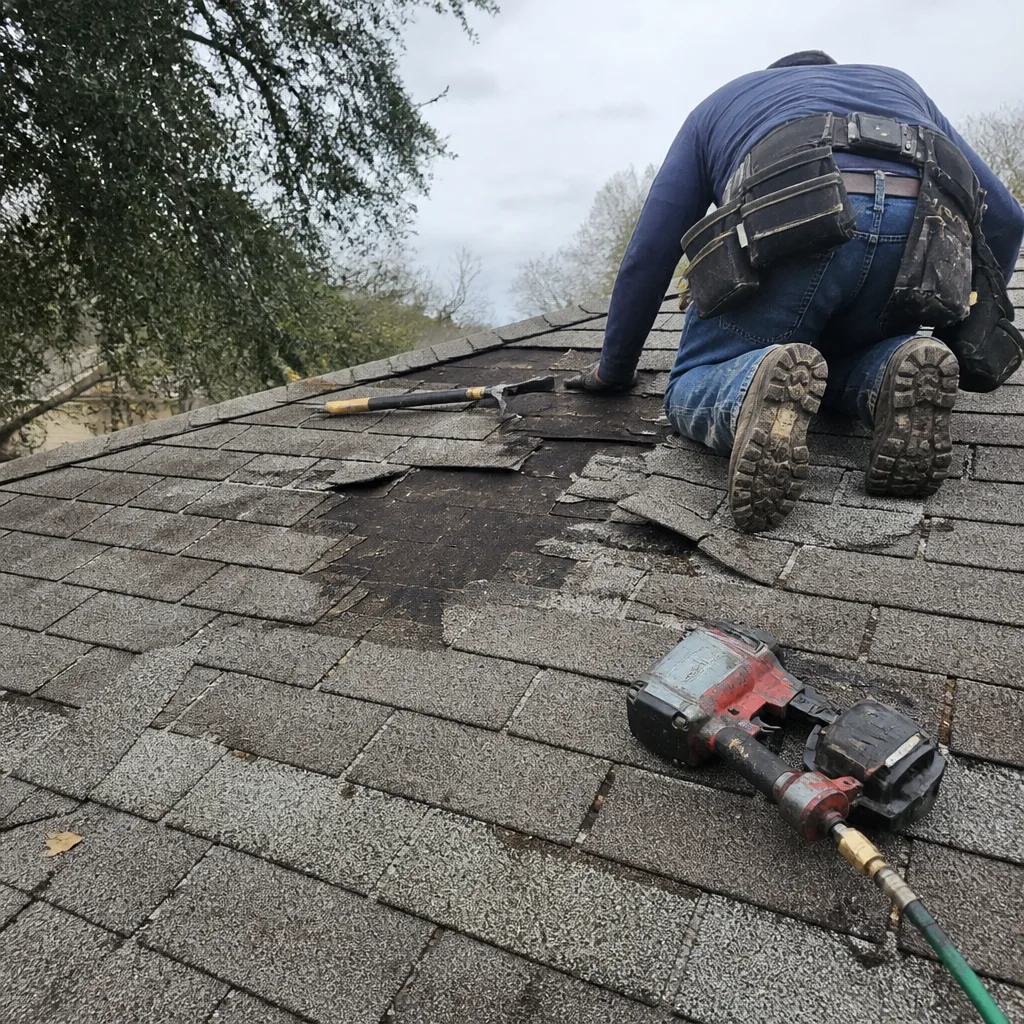 Before
 After
After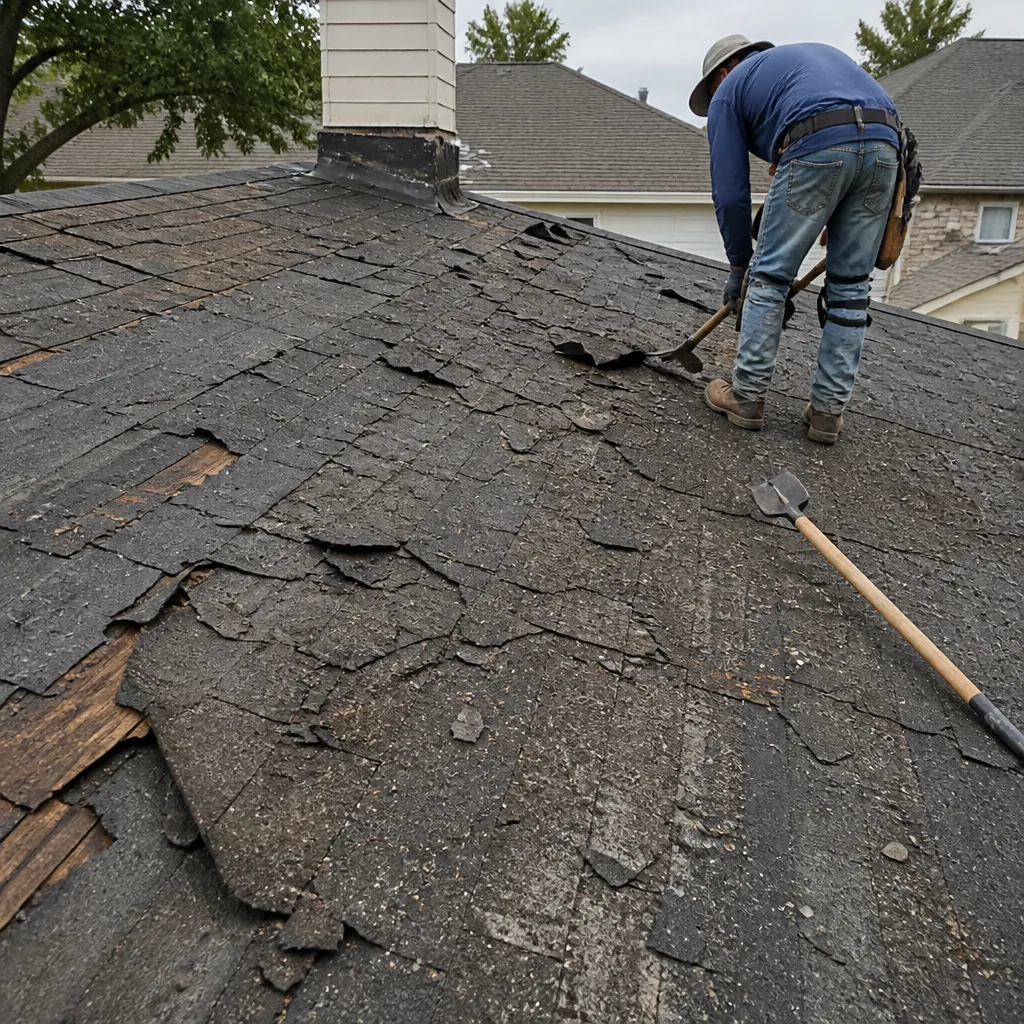 Before
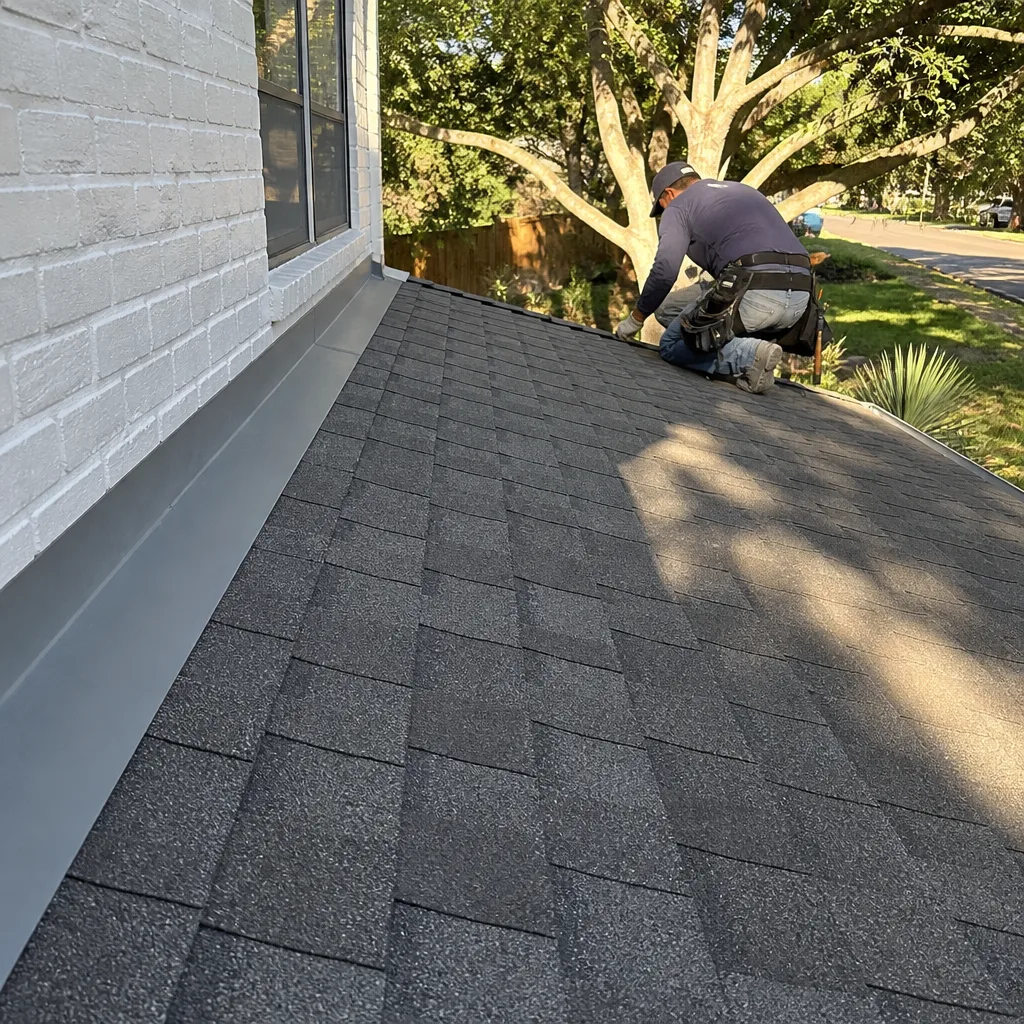 After
AfterReplacement Cost & What’s Included
Most Owens Corning flashing replacement jobs in San Antonio fall between $450 and $1,200 installed. Here’s what that range looks like in practice:
- Single pipe boot or vent collar replacement: $180 – $350. We remove the old boot, inspect the deck around the penetration, set the new collar with Owens Corning-compatible sealant, and reseal the surrounding shingles.
- Step flashing replacement along a dormer or sidewall (under 10 linear feet): $450 – $800. Includes cutting out old flashing, checking the wall sheathing for rot, installing new step flashing with proper shingle interleaving, and replacing any damaged shingles we uncover.
- Valley flashing replacement (over 12 linear feet): $700 – $1,200. Valleys are the highest-stakes flashing on the roof. We pull the valley shingles, set new metal, reinstall and reseal, and verify the water path before we come down.
- Full dormer or sidewall re-flash with counterflashing: $800 – $1,500. When the original installation skipped counterflashing or it has separated from the wall, this is the fix that lasts.
Every estimate includes the parts, the labor, the sealant, and the disposal of the old flashing. You’ll see your number in writing before any work starts, and that number won’t change unless we find something structural when we open the wall or deck, in which case we stop and walk you through it before proceeding. All of our flashing work carries the 365-Day Done Right Promise: if it’s not right, we make it right.
DIY or Call Us?
Flashing replacement sits in a middle zone. What you can safely do: identify the failing area from the ground, take photos, and keep an eye on interior staining between storms. What you should not do: get on a ladder with a caulk gun and start sealing over corroded metal. Flashing failures are rarely fixed with sealant. They’re fixed by removing the old metal, cutting back the damaged deck or wall material, and installing new flashing in the correct interleaved pattern. Done wrong, you trap water behind the repair and accelerate the rot. Roof-height work on a San Antonio roof in the middle of a Texas summer adds its own dangers. We’d rather walk you through what we’re seeing from the ground and give you a straight answer on whether it’s a $300 fix or a $1,200 fix. Call (903) 354-7802 and we’ll take a look.
FAQs
Older flashing installed with standard galvanized metal typically lasts 10 to 15 years in San Antonio’s heat-and-moisture cycle before corrosion or thermal separation sets in. Modern aluminum or coated galvanized flashing, properly installed, can reach 20 to 25 years. The wild card in our area is roof traffic and poor original installation, which can shorten that lifespan significantly. Call (903) 354-7802 if you want us to check the flashing condition during a routine roof inspection, estimates are free.
Small separations can be resealed with a proper roofing sealant as a temporary fix, but metal that has corroded through, buckled, or pulled more than a quarter-inch from its seam generally needs replacement. Patching over failed flashing just hides the problem behind a bead of caulk. A written estimate will tell you which situation you’re in and what the repair will cost.
Most step flashing and pipe boot replacements take 2 to 4 hours including clean-up. Valley flashing and full sidewall re-flashes run a full day. We protect the inside during the work: shoe covers at the door, drop cloths through the hallway, and a photo of the completed clean-up before the crew leaves.
We stock common Owens Corning-compatible profiles on the truck: 4-inch and 5-inch step flashing, drip edge, standard pipe boots, and valley metal in both 26-gauge galvanized and aluminum. Unusual profiles, like the taller Berkshire or Woodcrest flashing, we order ahead and confirm the lead time on your estimate. We also keep flashing parts for GAF and CertainTeed installations in stock for roofs that mix product lines.
Written by Erik Lindgren, Owner, Birchbark Roofing San Antonio at Birchbark Roofing San Antonio, serving San Antonio and nearby areas.