
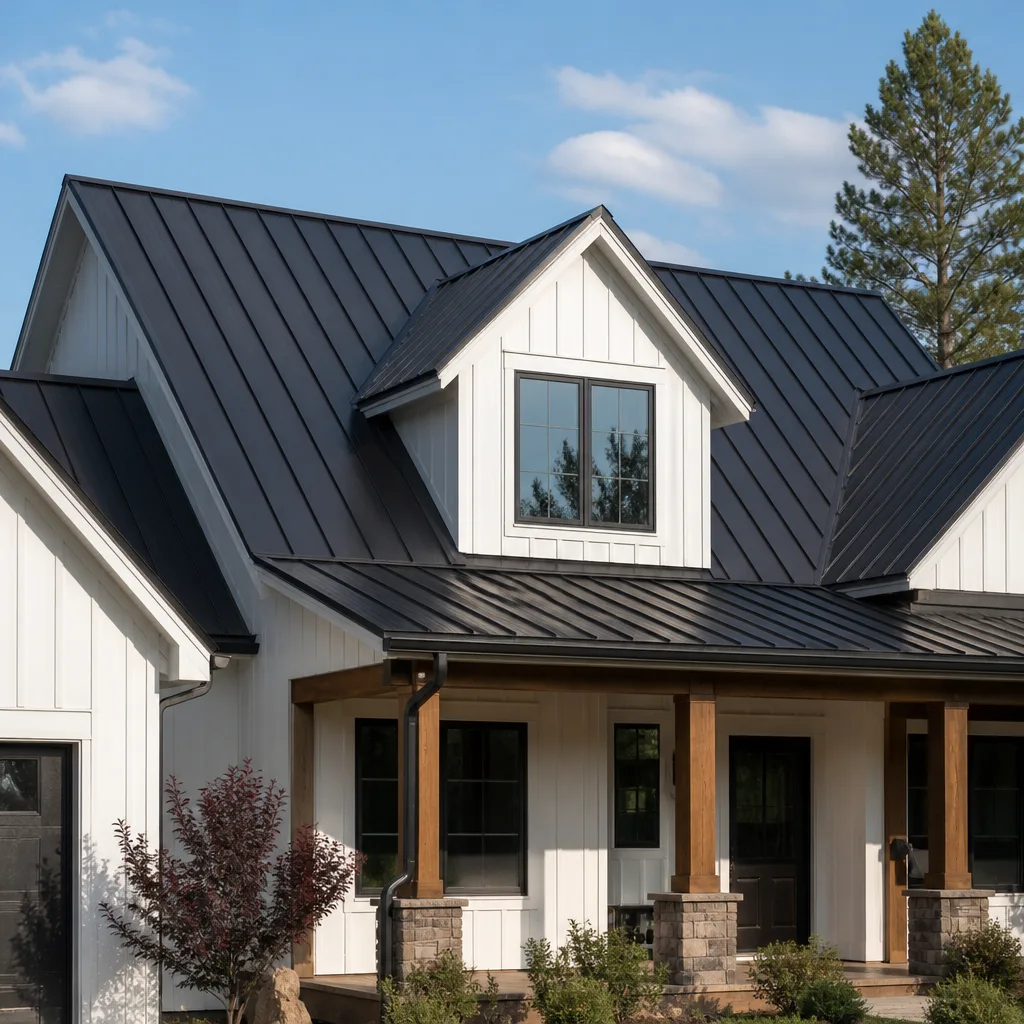
 Metal roofing
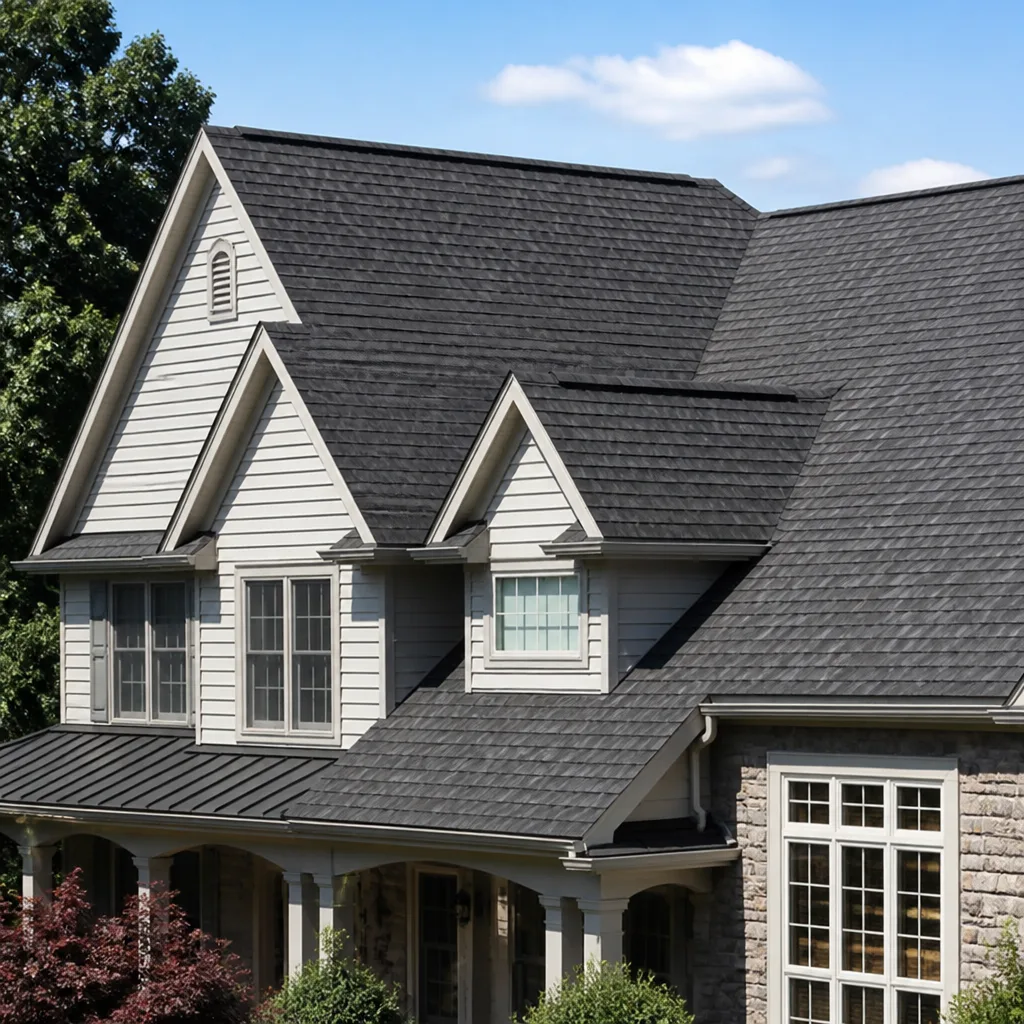 Architectural shingles
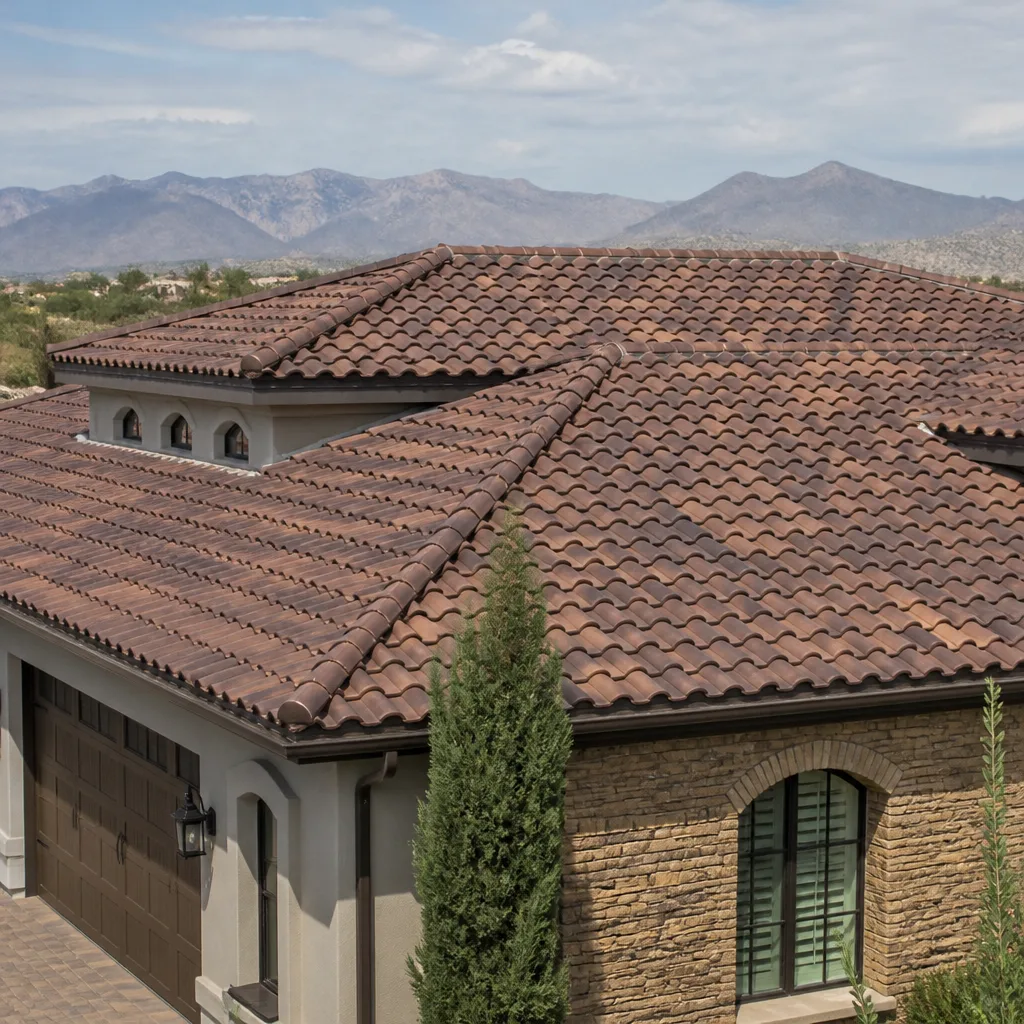 Tile roofing
 GAF
GAF Owens Corning
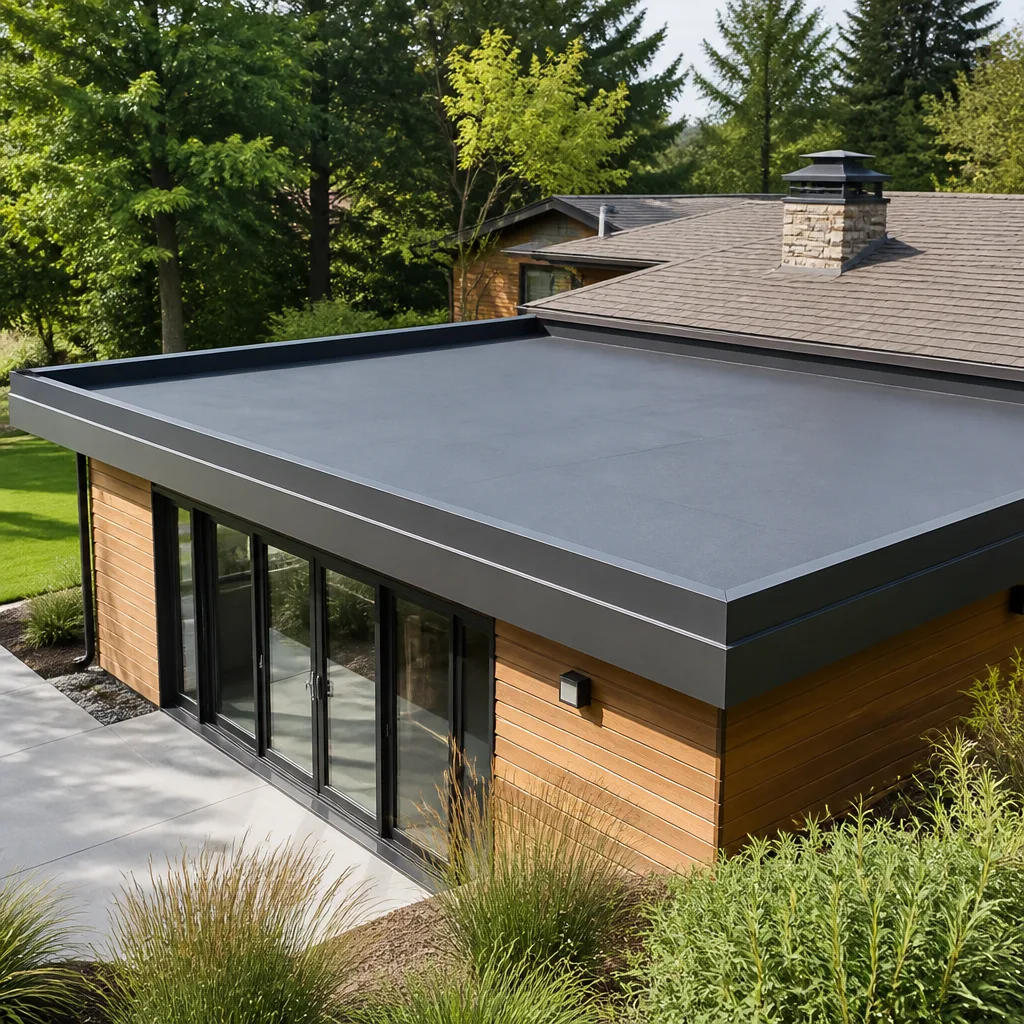 Flat & low-slope
Free roof inspection with deck photos before we talk money - GAF and Owens Corning certified installation
Tamko Ridge Vent Installation: The San Antonio Owner’s Guide
We install and replace Tamko ridge vents throughout San Antonio, and most homes in this area need a complete ridge vent installation, parts and labor included, for $380 to $750 depending on the linear footage of your roof’s ridge. If you’ve noticed shingle granules in your gutters, a ridge vent that looks warped or cracked from the street, or attic temperatures climbing higher than they used to, the vent is usually the culprit. We stock Tamko-compatible ridge vent material on our trucks, so if you call us at (903) 354-7802, we can usually have a written estimate in your hand within a day or two, not weeks.
We’re an independent roofing company. We’re not affiliated with Tamko, and that matters: we’re not here to push one brand. We’re here to match the right vent to the roof you already have. Erik Lindgren and the crew have been working San Antonio roofs long enough to know that a Texas summer will find every weak point in a ridge vent, and we’d rather show you the problem in person than describe it over the phone.
Which Tamko Models This Applies To
Tamko ridge vents come in two main profiles: the roll-form metal ridge vent, which sits high and works with most three-tab and architectural shingles, and the shingle-over plastic or composite ridge vent, like the Tamko Vented Ridge or similar ridge products, which blends flat under the ridge caps. The roll-form version is easier to spot from the ground because it shows a visible metal profile. The shingle-over version hides under the cap shingles and is harder to inspect without getting on the roof.
The compatibility gotcha most San Antonio homeowners run into: a ridge vent installed for a standard 4/12 pitch roof is not the right vent for a steeper roof. Steeper pitches need a vent profile with a taller baffle or more open area to move the same volume of air through the attic. If the original installer used a vent rated for a lower pitch, the attic runs hotter, and the shingles age faster than they should. We see this regularly on homes in Alamo Heights and the older neighborhoods around Loop 410 where roofs were re-vented twenty or thirty years ago with whatever the supply house had on the shelf. Before we quote a Tamko ridge vent installation, we measure the roof pitch, count the linear feet of ridge, and check the existing vent’s free-air rating against what the attic actually needs.
Here’s the honest parts talk. OEM Tamko vent material is well built, but the aftermarket equivalents from companies like Air Vent, GAF, Owens Corning, and CertainTeed are also well built, and in some cases they move more air per linear foot at a lower material price. Erik will tell you straight: if your roof has Tamko shingles and you want the warranty paperwork to line up neatly, stick with Tamko-compatible vent material. If you care more about airflow performance per dollar, we’ll quote you options and show you the numbers side by side. Either way, you see the written price before we start.
Styles & brands we work with
Signs Your Tamko Ridge Vent Installation Is Failing
- Visible cracks or warping in the vent material. San Antonio’s heat and UV exposure are brutal on plastic vent profiles. Once the plastic gets brittle enough to crack, water can work its way in, and the vent stops doing its job. A cracked vent is not worth patching.
- Higher attic temperatures than you remember. If your attic feels like a furnace in August and your air conditioner runs longer than it used to, the ridge vent may be partially blocked or the profile has degraded. A working ridge vent pulls hot air out continuously.
- Shingle granules collecting around the ridge line. Granule loss near the ridge often means heat is getting trapped at the peak because the vent is moving less air. Heat accelerates shingle wear, and the ridge is the first place it shows.
- Water stains or damp insulation near the ridge inside the attic. A ridge vent that’s cracked or lifted can let wind-driven rain into the attic during big Texas storms. You might not see the vent damage from the ground, but the inside of the roof deck will show it.
- Rust or fastener pull-through on metal ridge vents. Metal ridge vents eventually rust where the fasteners sit. Once the fasteners pull through, the vent can lift in high wind and become a leak point. This is more common within five to ten miles of the coast, but it happens everywhere in South Texas given enough time.
See the difference
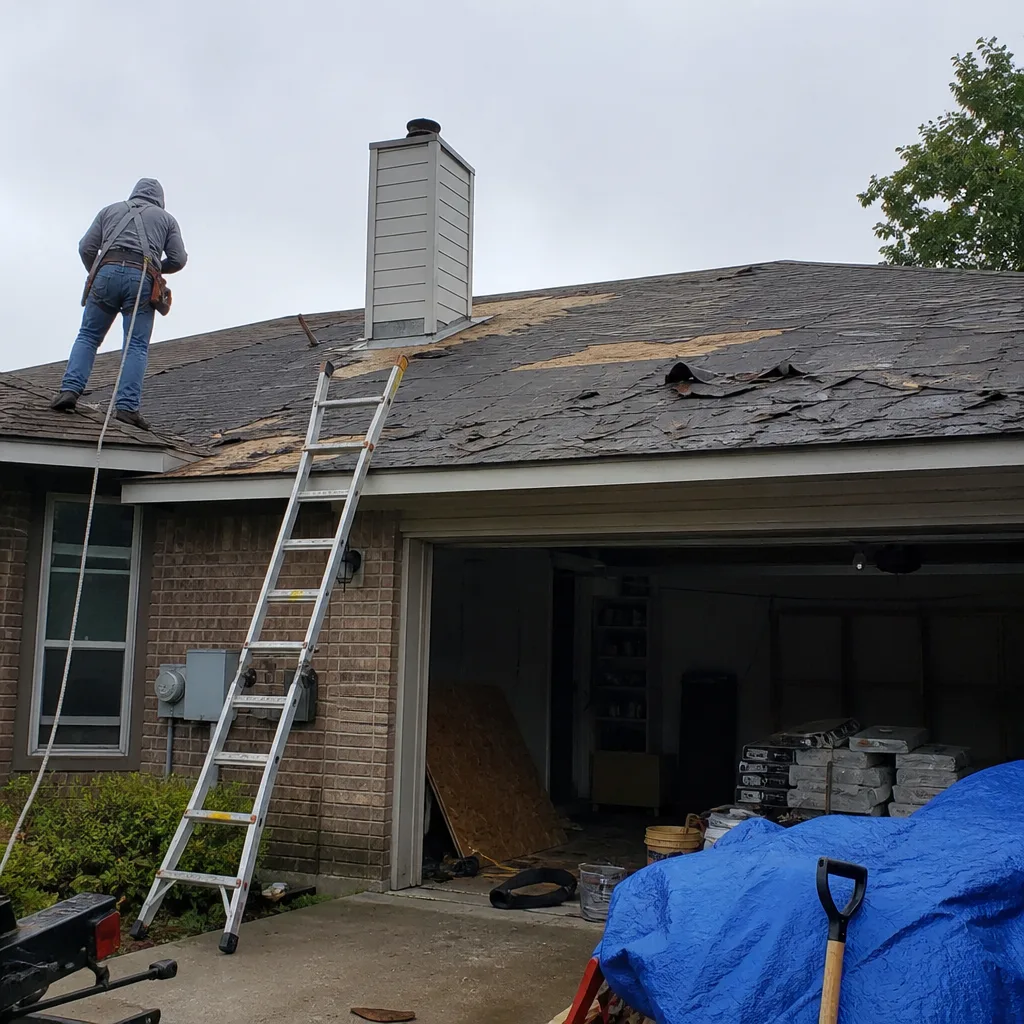 Before
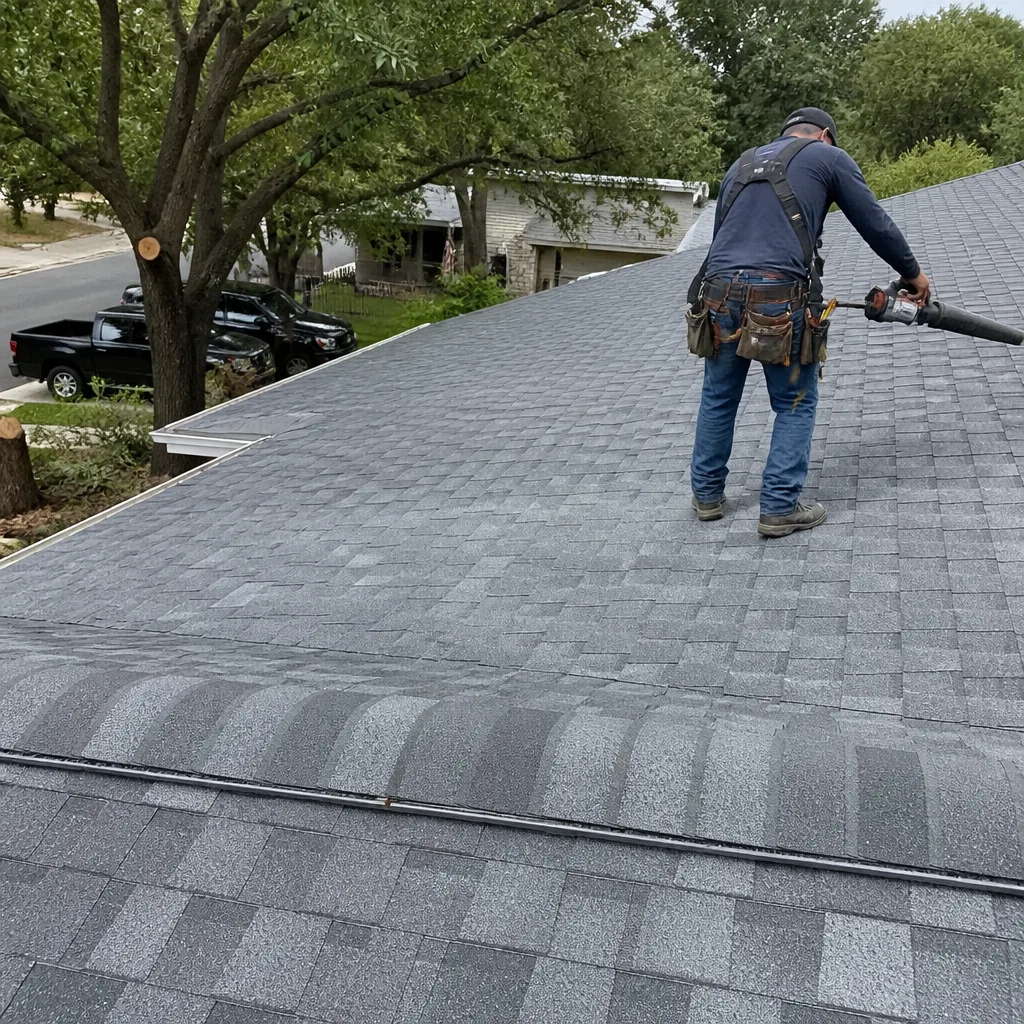 After
After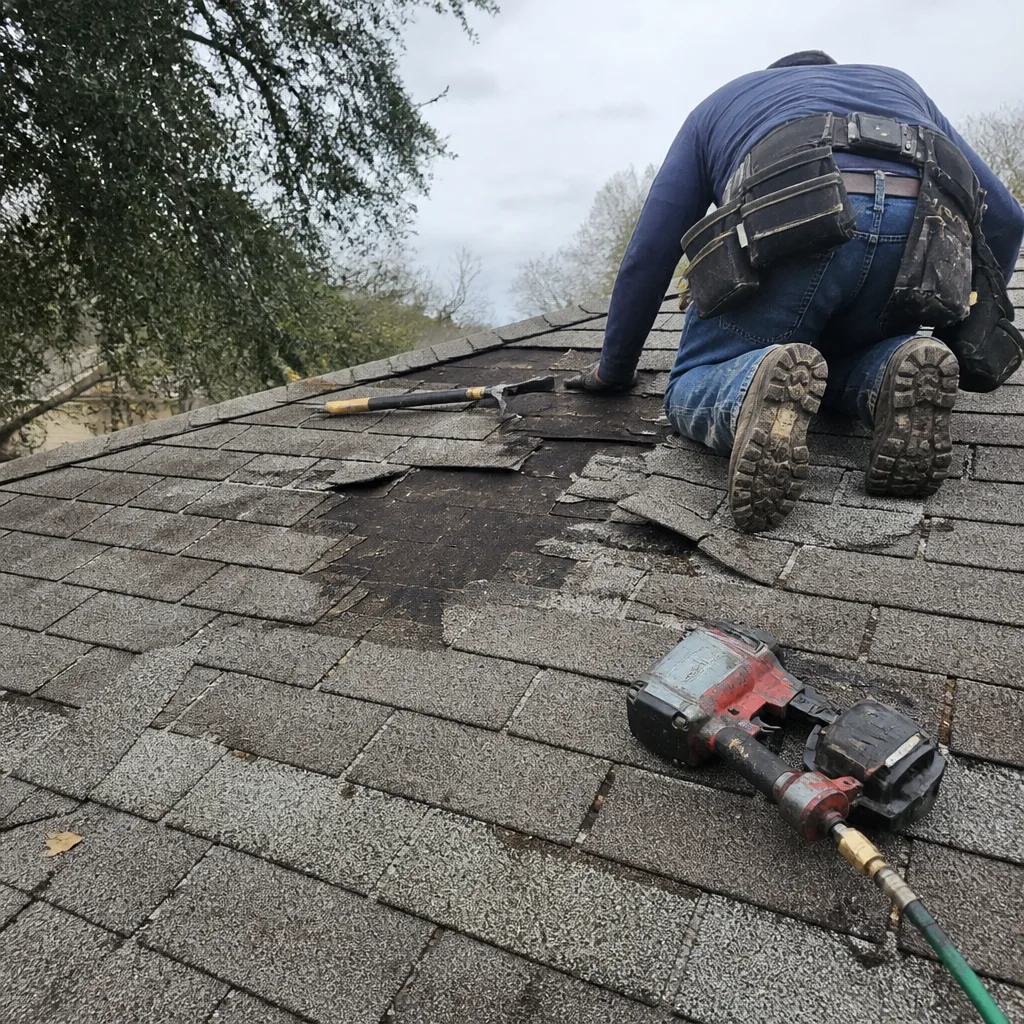 Before
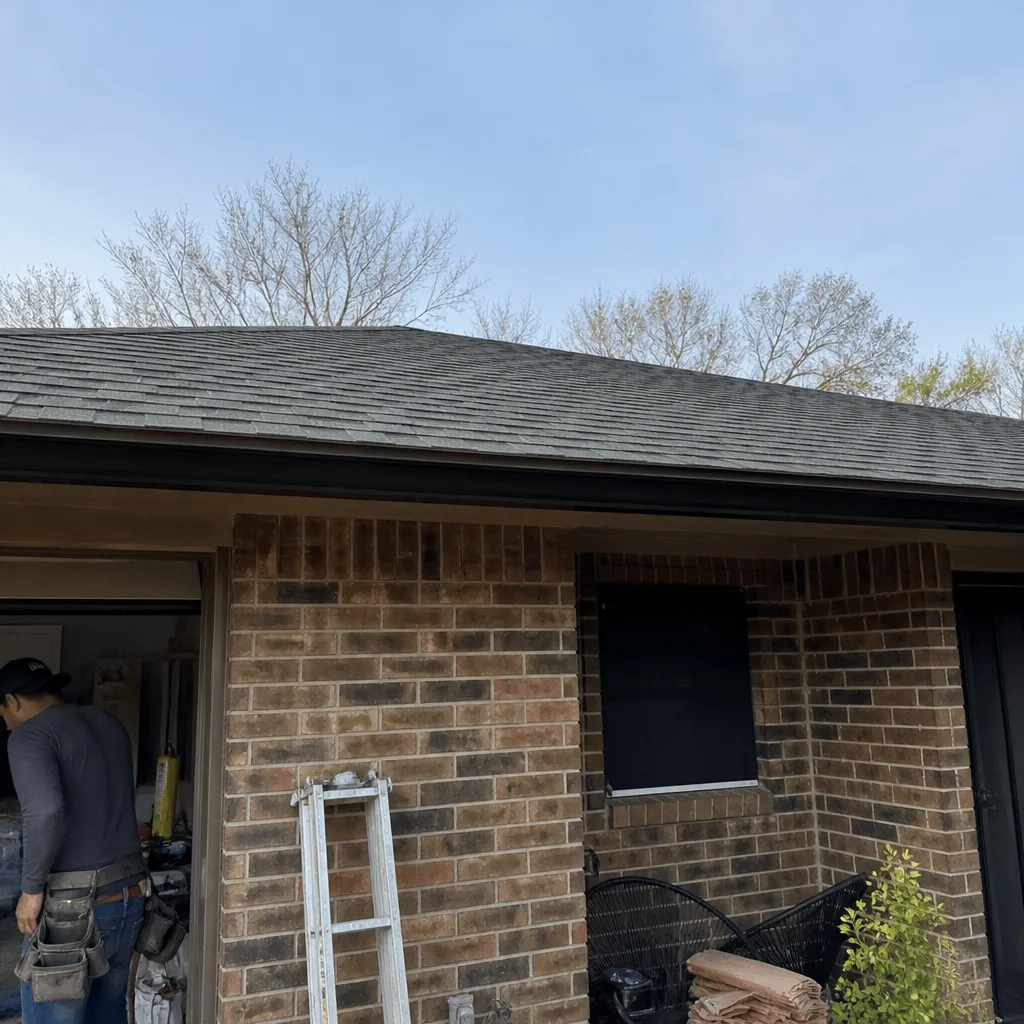 After
After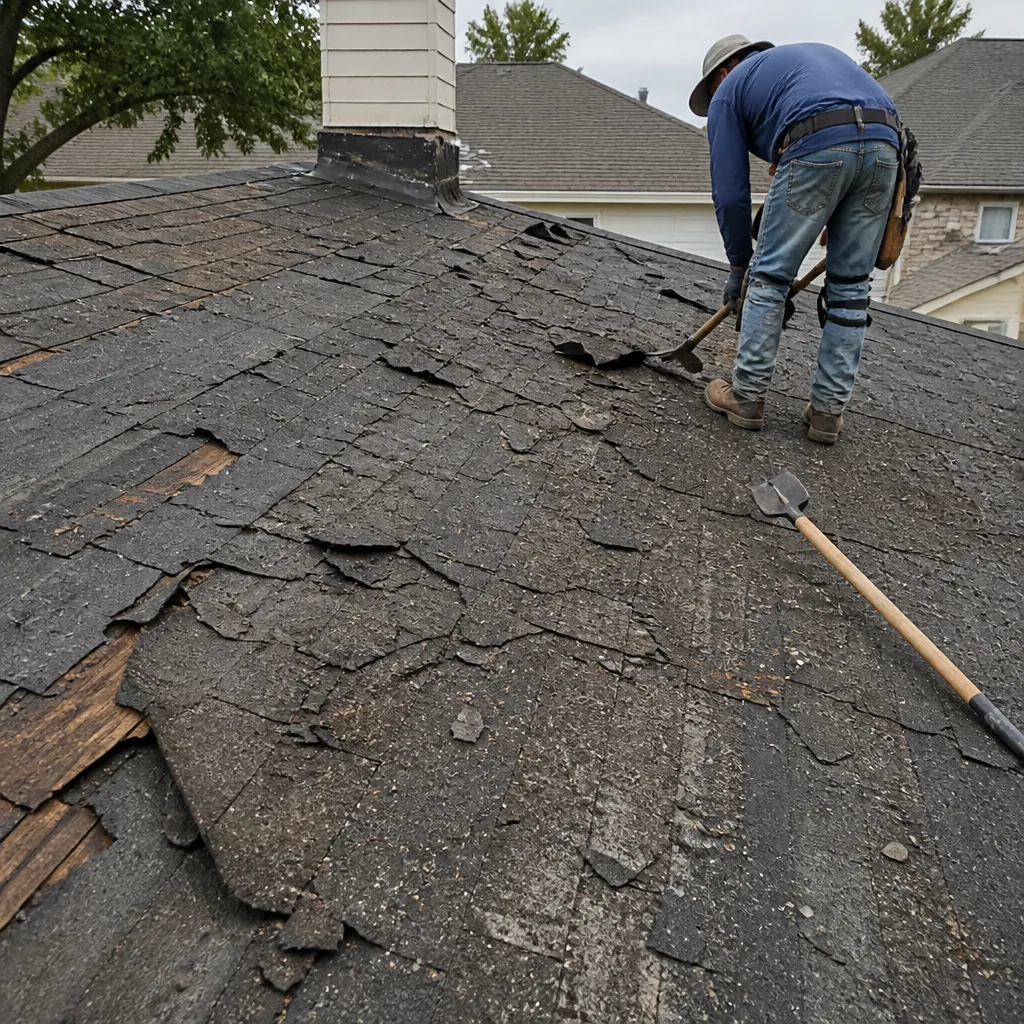 Before
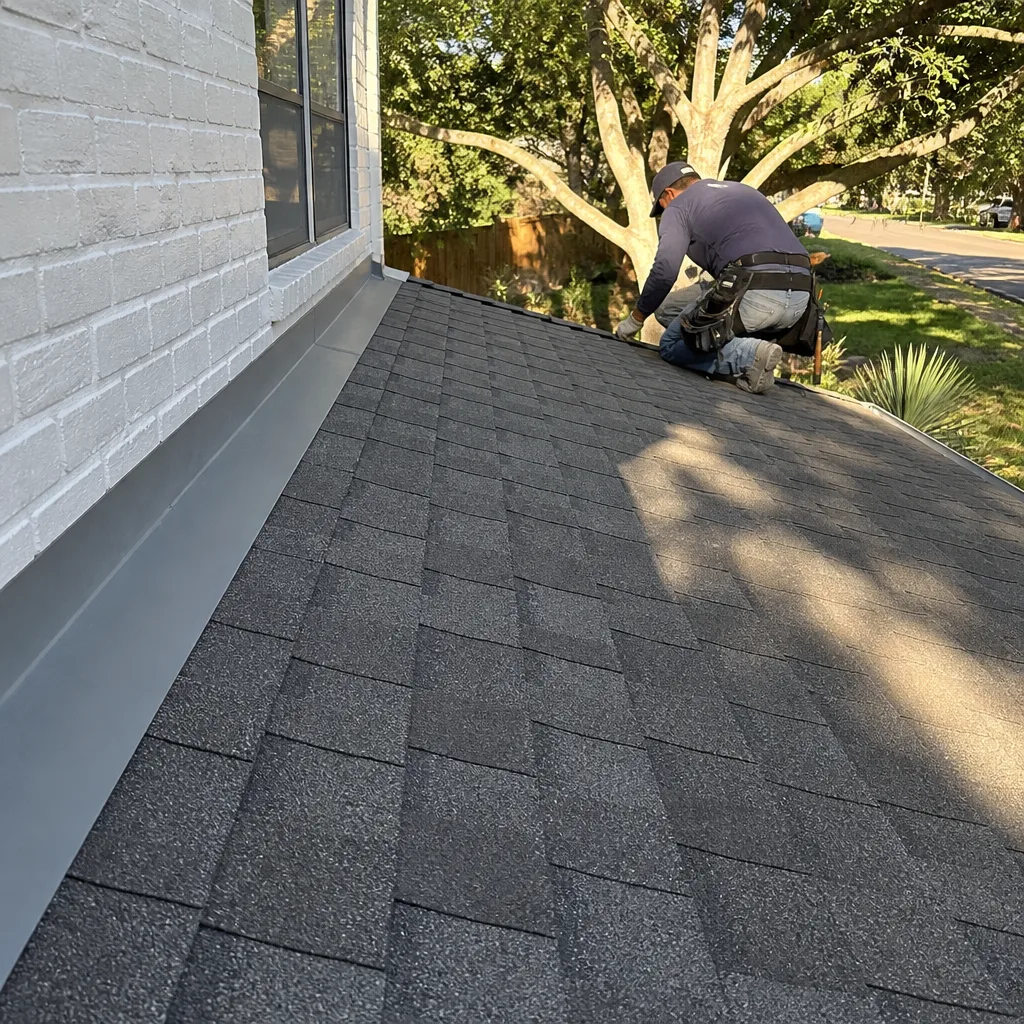 After
AfterReplacement Cost & What’s Included
For a standard single-story San Antonio home with a simple ridge line, you’re looking at $380 to $550 for a Tamko-compatible ridge vent installation. A two-story home, a roof with multiple ridge segments, or a steeper pitch can push that to $750 or more because of added labor, safety equipment, and time on the roof. We write every estimate as a line item: the vent material, the labor, the fasteners, the sealant, and the disposal of the old vent. You’ll see the full number in writing before any work starts, and it doesn’t change unless you change the scope.
Every Tamko ridge vent installation we do is covered by the 365-Day Done Right Promise. If it’s not right, we make it right. That means if the vent leaks, lifts, or doesn’t move air as it should within the first year, we come back and fix it at no charge. No fine print, no pro-rated argument. Erik signs every estimate himself.
DIY or Call Us?
There are things you can safely check from the ground or from a ladder leaned against the eaves: visible cracks, missing ridge cap shingles, rust on exposed metal vent. That’s it. We do not recommend walking a roof to replace a ridge vent yourself, especially on a San Antonio roof in the summer. Roof surfaces get hot enough to cause serious burns, and a ridge vent replacement means working along the highest point of the roof while pulling nails and old vent material. The fall risk is real, and the material cost you save is not worth a hospital visit.
If you want to confirm what you’re seeing before anyone charges you anything, call us at (903) 354-7802. We’ll send a uniformed, background-checked technician to look at the roof, and we’ll give you the written price before you commit to a single dollar. That’s how we work.
FAQs
A well-installed Tamko or Tamko-compatible ridge vent in San Antonio typically lasts 12 to 18 years before the plastic or metal degrades enough to need replacement. The heat and UV exposure here shorten the lifespan compared to cooler climates, so if your vent is over 12 years old and you’re seeing any cracks or rust, it’s time to plan for replacement. Call (903) 354-7802 and we’ll tell you exactly what you’re working with.
For small, localized damage on a shingle-over vent, a section can sometimes be patched, but most San Antonio ridge vent failures are age-related and patching them just pushes the problem to next summer. We’ll show you the damage before we quote the work. You call it: patch it and save money now, or replace it and not think about it for another 12 to 18 years.
Most Tamko ridge vent installations take half a day to a full day, depending on the length of the ridge line and how much old material needs to come off. We set expectations in writing before we start, and the crew cleans up the same day, down to a photo of the completed clean-up before we leave.
We stock Tamko-compatible ridge vent material on our trucks and in our San Antonio shop, so we can typically install without waiting on a supply house order. If you have a specific Tamko vent profile you want matched exactly, we may need a day or two to pull it, but we’ll tell you that in the estimate, not after you’ve scheduled the job.
Written by Erik Lindgren, Owner, Birchbark Roofing San Antonio at Birchbark Roofing San Antonio, serving San Antonio and nearby areas.