
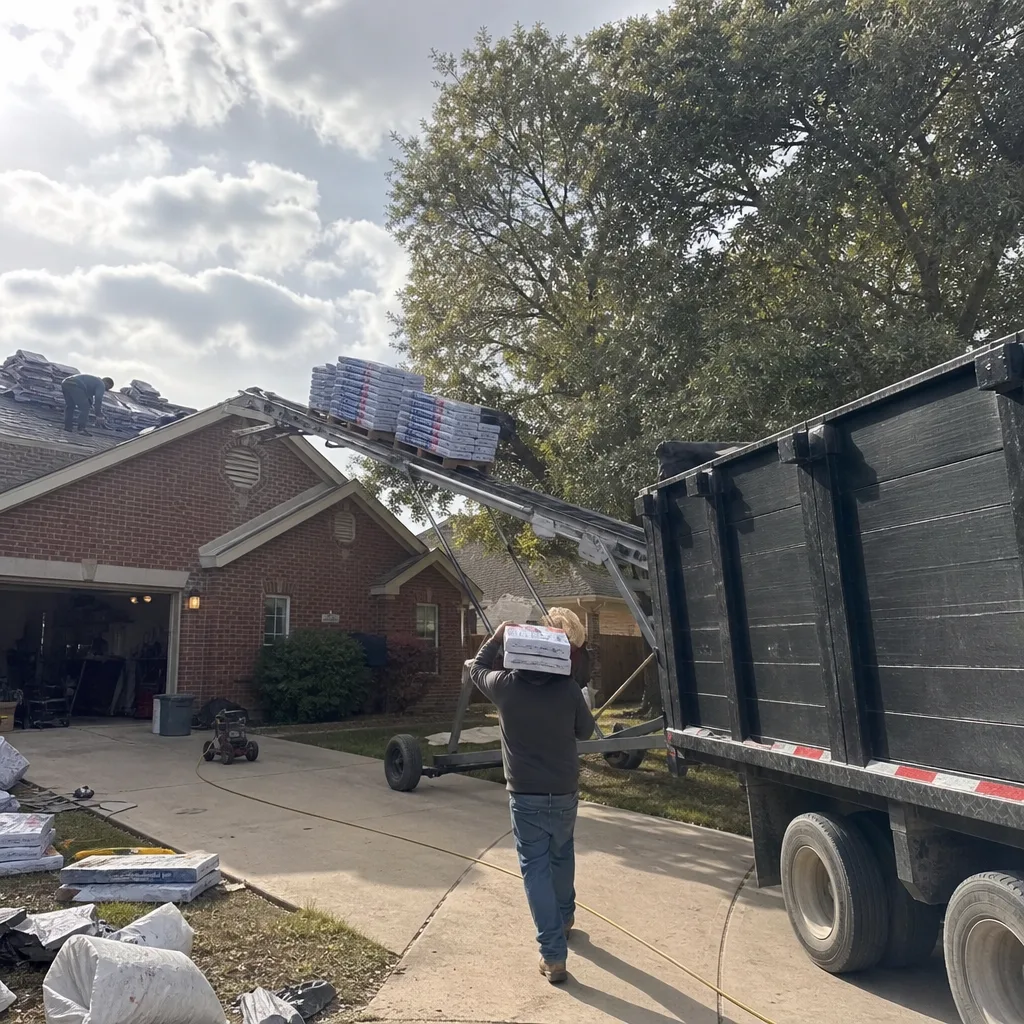
Last updated October 17, 2026
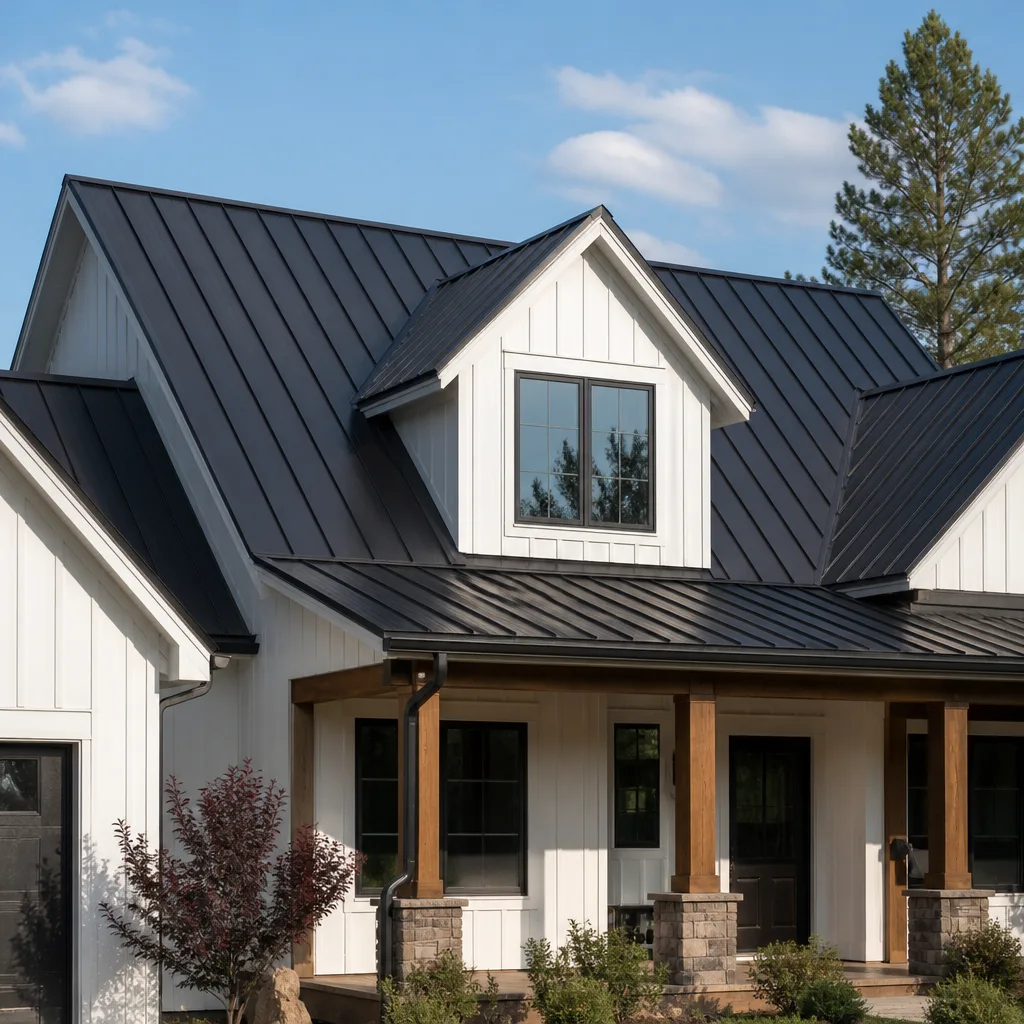 Metal roofing
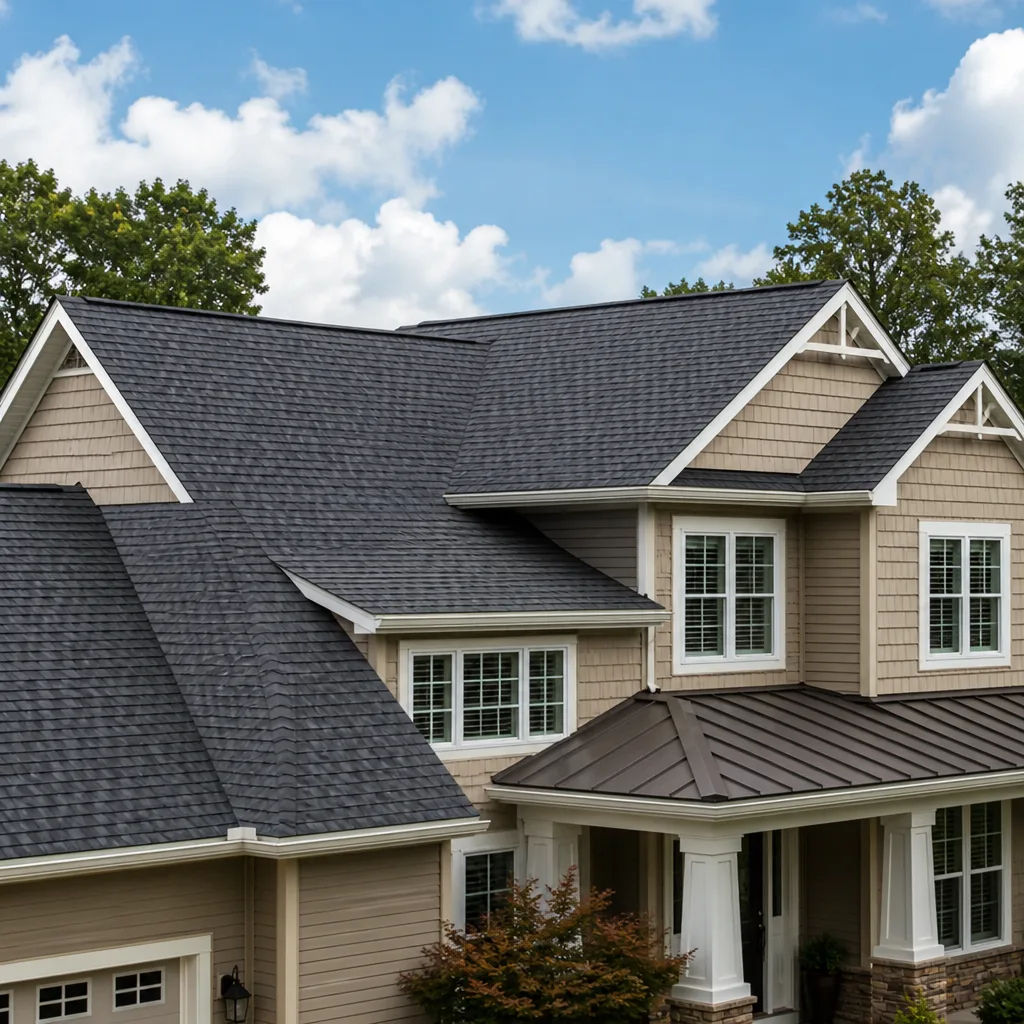
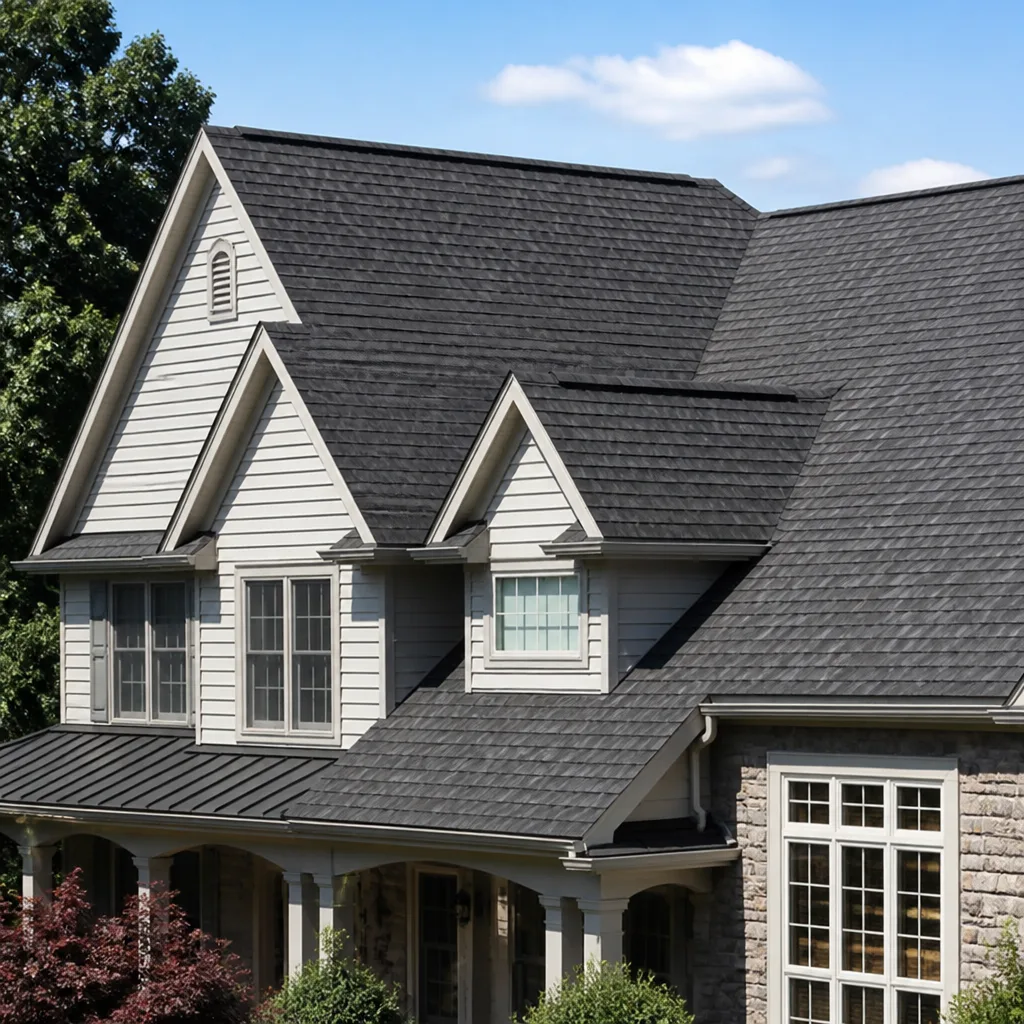 Architectural shingles
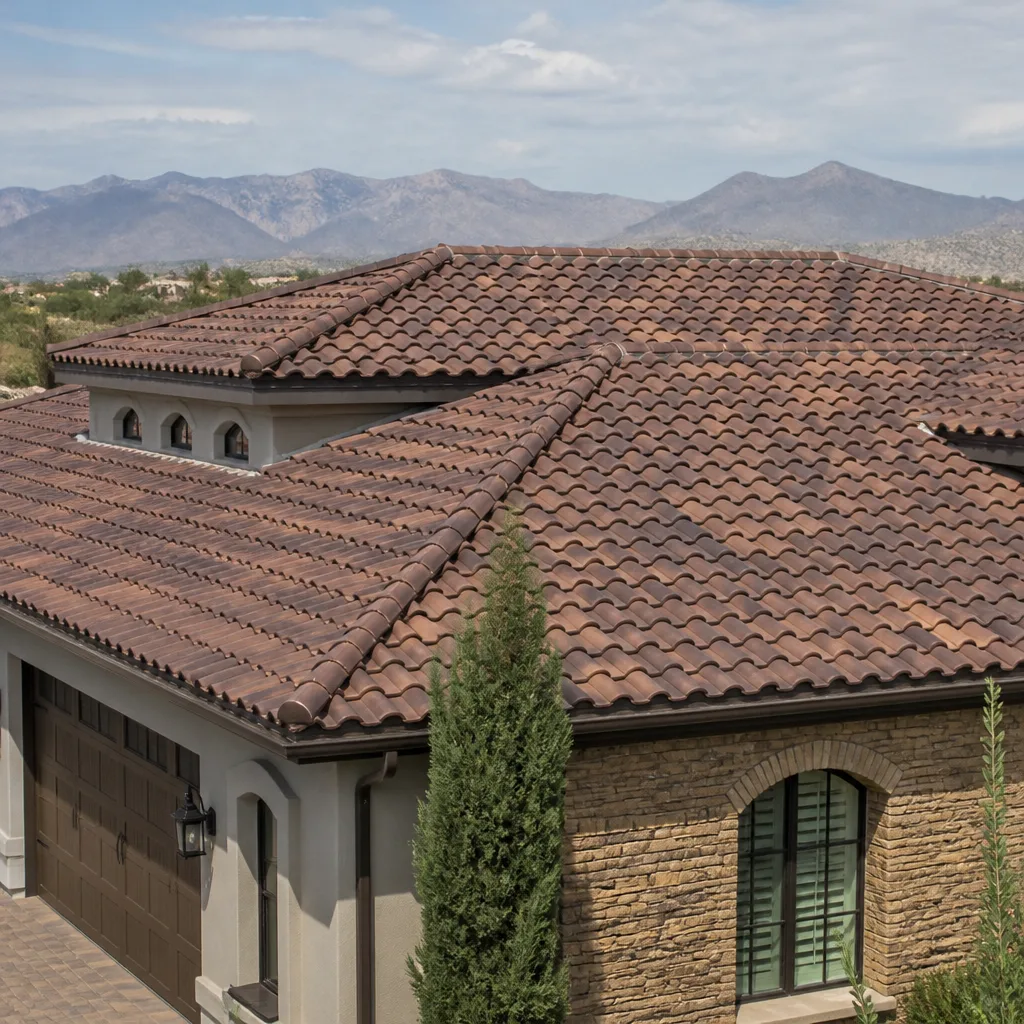 Tile roofing
 GAF
GAF Owens Corning
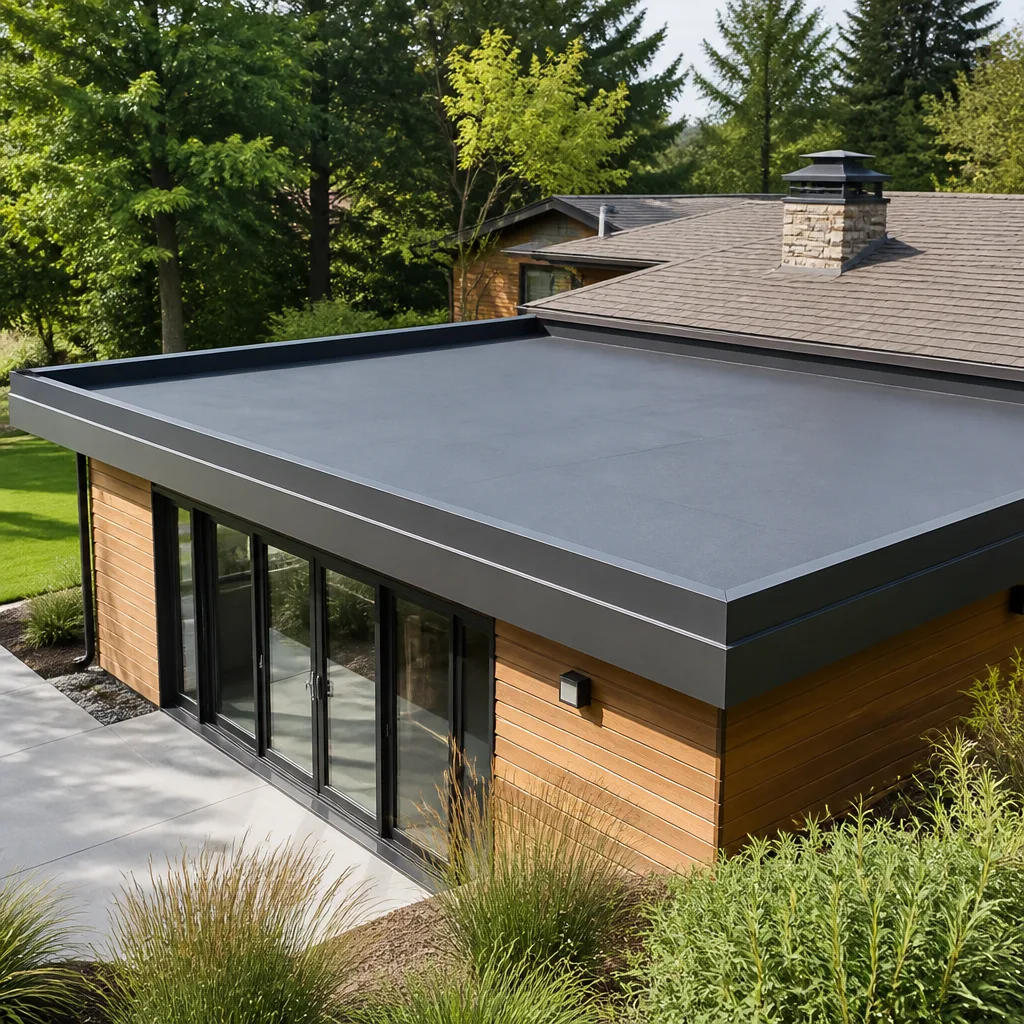 Flat & low-slope
Free roof inspection with deck photos before we talk money - GAF and Owens Corning certified installation
How to Hire a Roofing Contractor in San Antonio: A Step-by-Step Guide
After a major hail event in San Antonio, out-of-state storm chasers arrive within 48 hours, and they’re often gone before your new roof has seen its first rain. They bring printed contracts, ladder crews, and a cloud of urgency that makes careful homeowners sign things they’d never sign on a normal Tuesday. This guide slows that process down, and our more guides & resources can help you through every stage. You’ll learn exactly what documents to request, which red flags send contractors packing, and how to structure payment so you never pay in full before the job passes final inspection. San Antonio sees enough hail, wind, and blistering sun that you will replace or repair a roof at least once while you own your home. The only question is whether you’ll do it with a contractor who protects you in writing or one who asks you to trust a handshake.
Quick Answer
To hire a roofing contractor in San Antonio, request five documents before signing anything: a Texas roofing registration, a certificate of insurance, a written line-item estimate, warranty terms in writing, and a lien waiver. Verify their registration through the Texas Department of Licensing and Regulation, check for a local San Antonio address, and never pay in full until the job passes final inspection. A contractor who provides a written price before work starts and a workmanship warranty in writing is worth far more than the lowest bid.
Styles & brands we work with
Table of Contents
- Step 1: Slow Down and Separate Storm Chasers From Local Roofers
- Step 2: Verify Texas Roofing Registration and Insurance Before Anything Else
- Step 3: Request the Five Documents Every Reputable Roofer Provides
- Step 4: Read the Written Estimate Line by Line
- Step 5: Understand San Antonio Roofing Codes and Permits
- Step 6: Structure Your Payment Schedule So You Never Overpay Up Front
- Step 7: Compare Bids the Right Way
Step 1: Slow Down and Separate Storm Chasers From Local Roofers
Hiring a roofer in San Antonio after a hailstorm is one of the fastest ways to make a bad decision under pressure. A damaged roof feels urgent, and it is, but urgency is exactly what out-of-state storm chasers exploit. They know you’re rattled. They know your insurance claim is in motion. They know you’re afraid of water getting in. Here’s the truth: a roof that has already sustained hail damage will still be there tomorrow, and next week, and next month. A tarp costs a few hundred dollars and buys you all the time you need to hire carefully.
We’ve watched homeowners in San Antonio’s northside neighborhoods near Stone Oak and Timberwood Park sign contracts with crews that were gone by the time the first leak appeared. The pattern is always the same: a knock on the door, a clipboard, a promise to “work directly with your insurance adjuster,” and a signature line. Then the work is rushed, the flashing is wrong, and the phone number on the contract goes to a voicemail that never returns calls.
Slow down. Take three days. A local San Antonio roofing company with a real address, a real phone number answered by a real person, and a list of local references has nothing to hide and no reason to rush you. The storm chaser needs you to sign fast because they’re working thirty other doors in your zip code this week. You are not their customer. You are a stop on a route.
When you call, pay attention to what happens. Does a live person answer, or do you get a voicemail tree? Do they schedule an estimate at a time that works for you, or do they insist on “right now”? Do they ask about your home’s history, or do they launch into a pitch? These small signals tell you more than any brochure.
Step 2: Verify Texas Roofing Registration and Insurance Before Anything Else
Texas does not require a state roofing license in the way it requires licenses for electricians or plumbers. Instead, roofers who work on residential projects in San Antonio must register with the Texas Department of Licensing and Regulation (TDLR). This registration is not a badge of quality, it’s a baseline. Any legitimate roofing contractor working in San Antonio should have an active TDLR registration number and should be willing to show it to you without hesitation.
Here’s how to verify a Texas roofing registration in under three minutes:
- Go to the TDLR website and open the license search page.
- Select “Roofing Contractor” from the program dropdown.
- Enter the company name or the registration number the contractor gave you.
- Check that the status reads “Active” and that the registration has not lapsed or been revoked.
If the name on the registration does not match the name on the contract, walk away. If the contractor says they “work under” someone else’s registration, walk away. If there’s no registration at all, you are not working with a legitimate roofing contractor. You are working with someone who hopes you don’t check.
Insurance is the second verification. Ask for a certificate of insurance (COI) that names you as the certificate holder and shows both general liability and workers’ compensation coverage. Call the insurance company to confirm the policy is active. A COI is a piece of paper, and paper can be outdated or, in rare cases, fabricated. A two-minute phone call confirms the policy is real. If a crew member falls off your roof and the roofer has no workers’ compensation, you can be held liable. That single phone call is worth more than any discount.
In San Antonio, where summer heat pushes crews to start early and where steep tile roofs on older Alamo Heights and Monte Vista homes add real risk, this matters more than homeowners realize. You are not checking a box. You are protecting yourself from a lawsuit.
Step 3: Request the Five Documents Every Reputable Roofer Provides
Before you sign anything, request these five documents. Every one of them protects you in a specific way, and every one of them should be provided without pushback. If a contractor balks at any of these, you have learned something important about how they operate.
- Texas roofing registration. Proof that the contractor is registered with the TDLR. Without this, nothing else matters.
- Certificate of insurance. General liability and workers’ compensation, with you named as the certificate holder. Verify the policy is active by calling the insurer.
- Written line-item estimate. A dollar amount for every component: tear-off, decking replacement, underlayment, flashing, shingles or tile, ventilation, haul-away, and permit fees. A lump-sum number with no breakdown is an invitation for mid-job price changes.
- Warranty terms in writing. Both the manufacturer’s material warranty and the contractor’s workmanship warranty, with the duration of each stated explicitly. “We stand behind our work” is not a warranty. “Five-year workmanship warranty, in writing, covering leaks and installation defects” is.
- Lien waiver. A document that releases you from liability if the roofer fails to pay their supplier or subcontractor. Without it, a material supplier can place a lien on your home even after you’ve paid the roofer in full.
These five documents are the difference between a contractor who operates like a business and one who operates like a gamble. In our experience at Birchbark Roofing San Antonio, the contractors who push back on documentation are the same ones who disappear when the work fails. The contractors who provide everything upfront, without being asked twice, are the ones who will still be there in five years.
Step 4: Read the Written Estimate Line by Line
A written estimate must include specific line items to be binding. Vague language is not an accident. It is a door left open for mid-job upselling. When you read a roofing estimate in San Antonio, every line should tell you exactly what you’re paying for and exactly what you’re getting.
A legitimate line-item estimate looks something like this:
- Tear-off and disposal of existing roof: $X per square (100 square feet)
- Decking replacement, if needed: $X per sheet of OSB or plywood
- Synthetic underlayment: $X per square
- Drip edge and flashing: $X total
- Architectural shingles, GAF Timberline HDZ, 50 sq: $X per square installed
- Ridge vents and attic ventilation: $X total
- Permit fees: $X
- Haul-away and dumpster: $X
- Total: $X
Compare that to vague line items that signal trouble:
- “Roofing work as needed”
- “Materials and labor”
- “Additional work to be determined”
- “Any necessary repairs”
Those phrases are not estimates. They are blank checks. A roofer who writes “decking replacement as needed” without stating a per-sheet price can charge you anything once the old shingles come off and the decking is exposed. In San Antonio, where homes built before 1990 often have decking that’s seen decades of moisture and heat, decking replacement is common. You want that conversation to happen before the crew starts, not after.
The estimate should also state clearly what happens if the scope changes. At Birchbark Roofing San Antonio, every job includes a written price in dollars before any work starts. That price is the price. If we discover something unexpected, we stop, show you what we found, explain the options, and get your approval in writing before spending another dollar. No change orders that appear like surprise guests. No “we had to, so we did.”
Step 5: Understand San Antonio Roofing Codes and Permits
San Antonio sits in a unique climate zone. We get hail, high winds, intense UV exposure, and occasional freeze-thaw cycles that punish roofs year-round. The city’s roofing codes reflect that reality-see Roofing Permits, Codes & Inspections in TX: What You Need to Know for specifics. Your contractor should know them without looking them up mid-conversation.
Key San Antonio roofing requirements include:
- Permits. Any roof replacement in San Antonio requires a building permit. A contractor who suggests skipping the permit is asking you to accept unpermitted work, which can cause problems when you sell the house and can void your homeowner’s insurance.
- Wind resistance. San Antonio building codes reference wind uplift requirements. Shingles must meet specific wind ratings, and installation methods must match manufacturer specs for high-wind zones.
- Underlayment. The city requires a secondary water barrier (synthetic or felt underlayment) beneath the primary roof covering. Some contractors cut corners here. You won’t see it after the shingles go on, and you’ll pay for it when the next hailstorm strips the roof.
- Ventilation. Proper attic ventilation is code-relevant and essential in San Antonio’s heat. A roof that doesn’t breathe cooks itself from the inside, shortening shingle life and driving up your cooling bill.
Ask your contractor: “Do you pull the permit, or do I?” The correct answer is that the contractor handles the permit and includes the fee in the estimate. A contractor who hedges on permits is not someone you want on your roof. When the job passes final inspection, you get documentation. That documentation matters for insurance claims and resale. We pull permits and stay until the inspection passes, because an inspection isn’t an obstacle, it’s the proof that the work was done right.
Step 6: Structure Your Payment Schedule So You Never Overpay Up Front
The payment schedule is where honest contractors separate from the rest. A roofer who demands full payment before buying materials is asking you to finance their business. A roofer who asks for a reasonable deposit, a mid-job payment, and the balance after final inspection is asking you to pay for work as it’s completed. That’s normal and fair.
A typical roof replacement payment schedule looks like this:
- Deposit: 10 – 30% when you sign the contract. This covers materials ordering and scheduling. For smaller repairs, a smaller deposit is appropriate.
- Progress payment: 30 – 40% when materials are delivered to your home. You’re paying for goods on your property, which is protection for both sides.
- Final payment: 30 – 50% after the job passes final inspection and you’ve walked the property. No final payment before inspection. Ever.
Here’s what we’ve seen too many times in San Antonio: a homeowner writes a check for the full job because the roofer “needs to buy materials and schedule the crew.” The materials show up. The crew shows up. The work is rushed. And the final walkthrough never happens because the roofer doesn’t answer the phone anymore. You now have a roof you can’t verify and no leverage to demand fixes.
Withhold the final payment until the job passes final inspection. Walk the yard with the contractor and look for nails, debris, and damage to landscaping. Check the gutters. Check the flashing. If something’s wrong, say so before you write the check. A contractor who reacts badly to that request is revealing something. A contractor who says “of course, walk it with me” is the one you want on your roof replacement in San Antonio.
Step 7: Compare Bids the Right Way
When you have three bids in front of you, resist the urge to compare only the bottom-line numbers. A roofing bid is a collection of decisions, not a single price, and two bids that look similar in total can be wildly different in what they actually deliver.
Compare bids on these variables:
- Material brand and grade. A bid using GAF, CertainTeed, or Owens Corning architectural shingles is different from a bid using an off-brand three-tab. Ask for the exact product name and grade. At Birchbark Roofing San Antonio, we work with materials from GAF, CertainTeed, Owens Corning, IKO, Atlas, Tamko, and Boral, and we’ll tell you exactly which product we’re installing and why.
- Underlayment type. Synthetic underlayment costs more than basic felt and performs far better, especially in San Antonio’s hail season. A lower bid may be cheaper because it uses cheaper underlayment.
- Ventilation included or not. Some bids omit proper ridge vents or box vents. Your roof needs to breathe, and adding ventilation after the fact costs more than including it initially.
- Decking replacement terms. If the bid says “decking replacement included,” it’s priced in. If it says “decking replacement as needed,” ask for the per-sheet price in writing. Otherwise you’re negotiating from a weak position once the roof is torn off.
- Workmanship warranty duration. One year is common. Three years is better. Five years or more in writing tells you the contractor expects to be around. The 365-Day Done Right Promise covers every repair and replacement Birchbark performs: if the work isn’t right, we make it right.
- Clean-up and protection details. Does the bid specify shoe covers, drop cloths, and debris haul-away? A roofer who protects your floors and cleans your yard is a roofer who treats your home like a home, not a job site. Every Birchbark visit includes shoe covers, drop cloths, and a photo of the completed clean-up before the crew leaves.
When you line these variables up, the “cheapest” bid often isn’t. It’s just the one that omitted the most. The goal is not to find the lowest price in San Antonio. The goal is to find the clearest price, the one where you know exactly what you’re getting and exactly what’s included. That’s why we put our prices in writing before any work starts. No negotiating away line items. No vague allowances. You see the number, and that’s the number.
Common Mistakes to Avoid
- Signing a contract the same day the roofer knocks on your door. Door-to-door solicitation after a San Antonio hailstorm is the classic storm chaser pattern. A legitimate local roofer doesn’t need to knock on doors. They have a phone that rings.
- Paying in full before the job passes inspection. This is the single most expensive mistake we see. You lose all leverage the moment you write the final check. Withhold final payment until the inspection passes and you’ve walked the property.
- Skipping the insurance certificate verification. A COI that isn’t verified is a piece of paper. Two minutes on the phone with the insurer confirms the policy is active and protects you from liability if a crew member is injured on your property.
- Trusting a verbal warranty. “We stand behind our work” disappears the moment there’s a problem. Get the warranty terms in writing with the duration stated.
- Accepting a lump-sum estimate with no line items. You can’t compare bids meaningfully without line items. You also can’t hold the contractor to a price if nothing specific is written down.
- Choosing the lowest bid by default. In San Antonio’s competitive roofing market, the low bid is often low because it omits ventilation, uses cheap underlayment, or leaves decking replacement unpriced. Read every line before you compare total numbers.
- Not checking for a local San Antonio address. A P.O. box, a phone number that routes to a call center in another state, or no address at all is a sign that you’re hiring someone who won’t be around when you need them. Ask where the office is. If you can’t find it on a map, keep looking.
See the difference
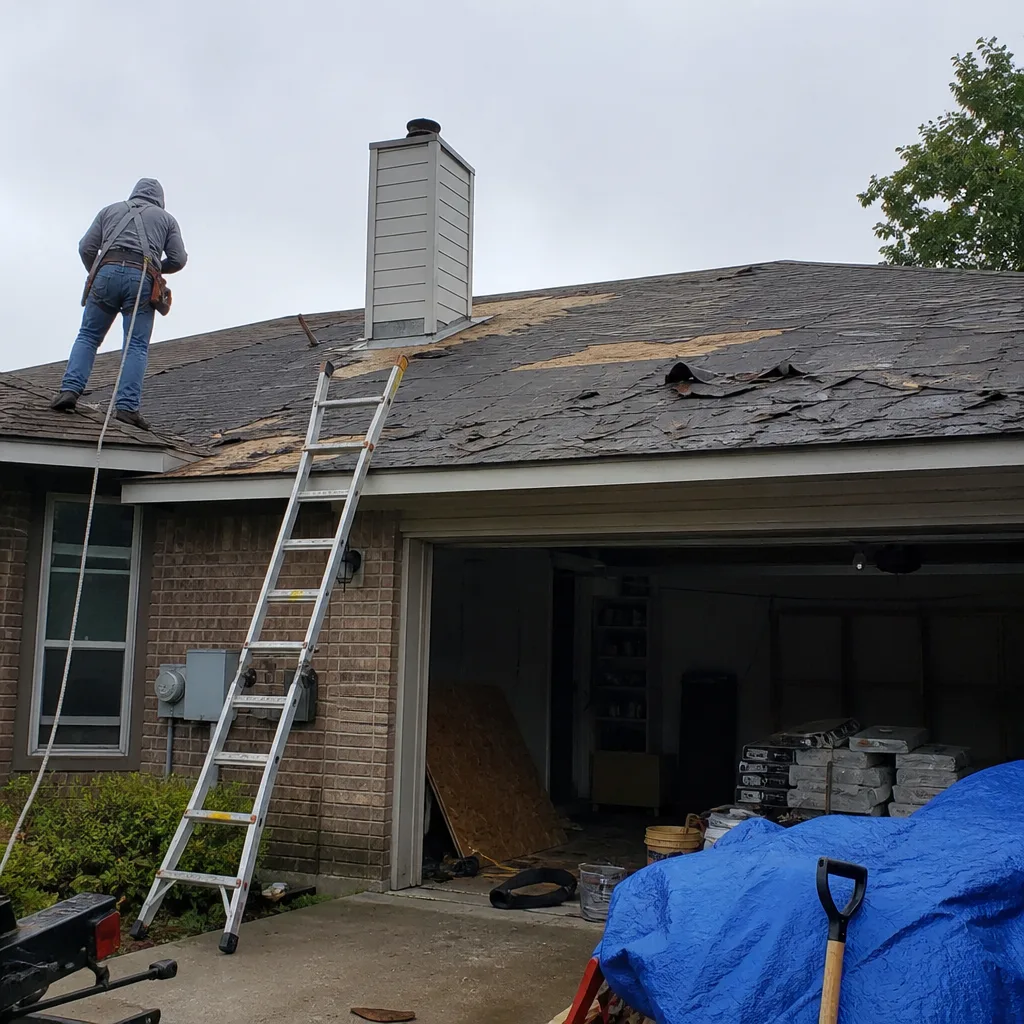 Before
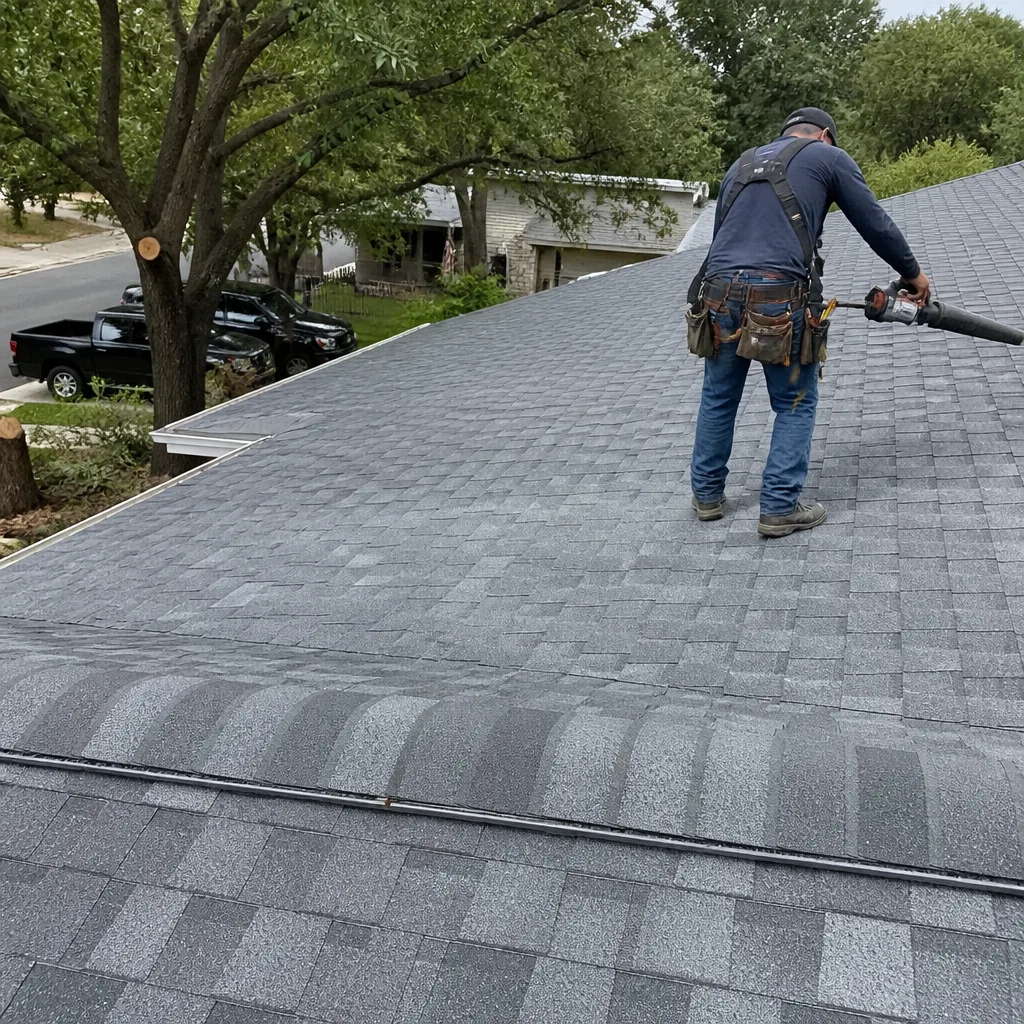 After
After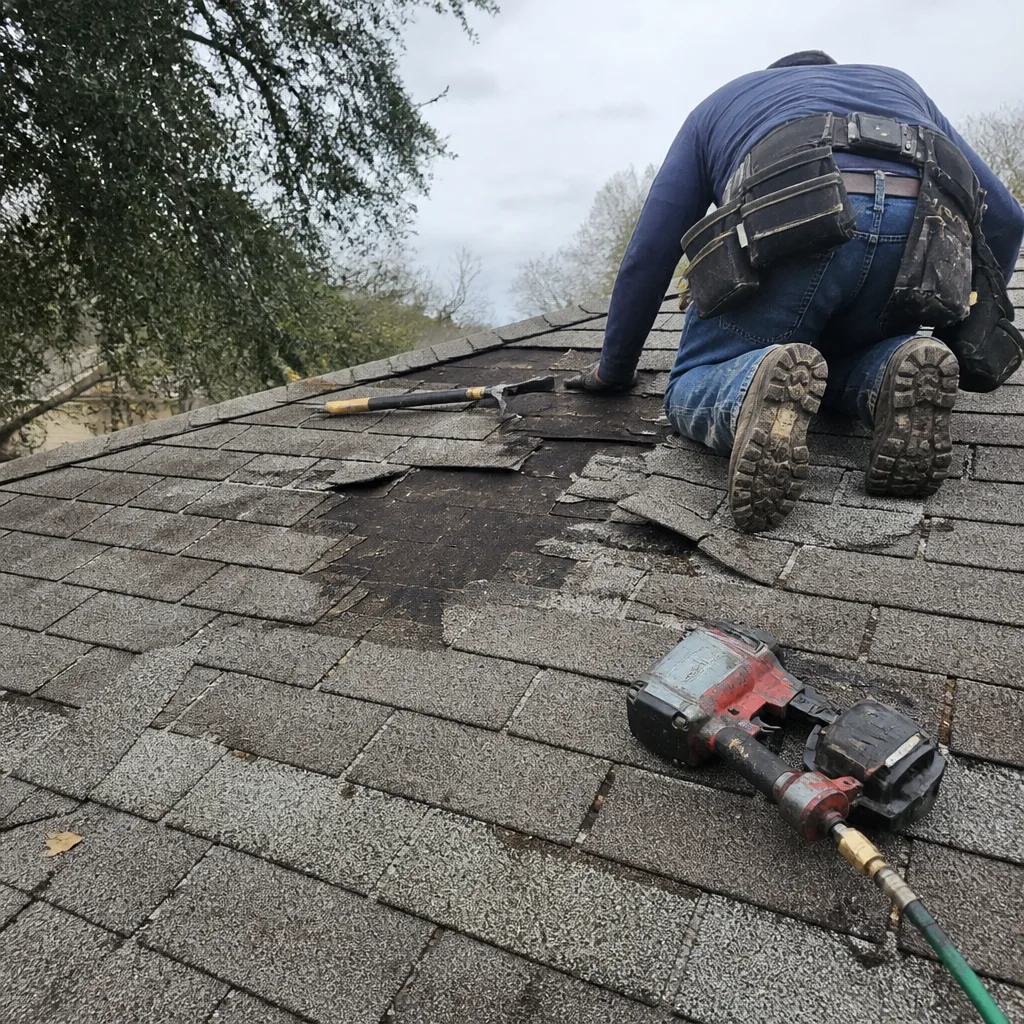 Before
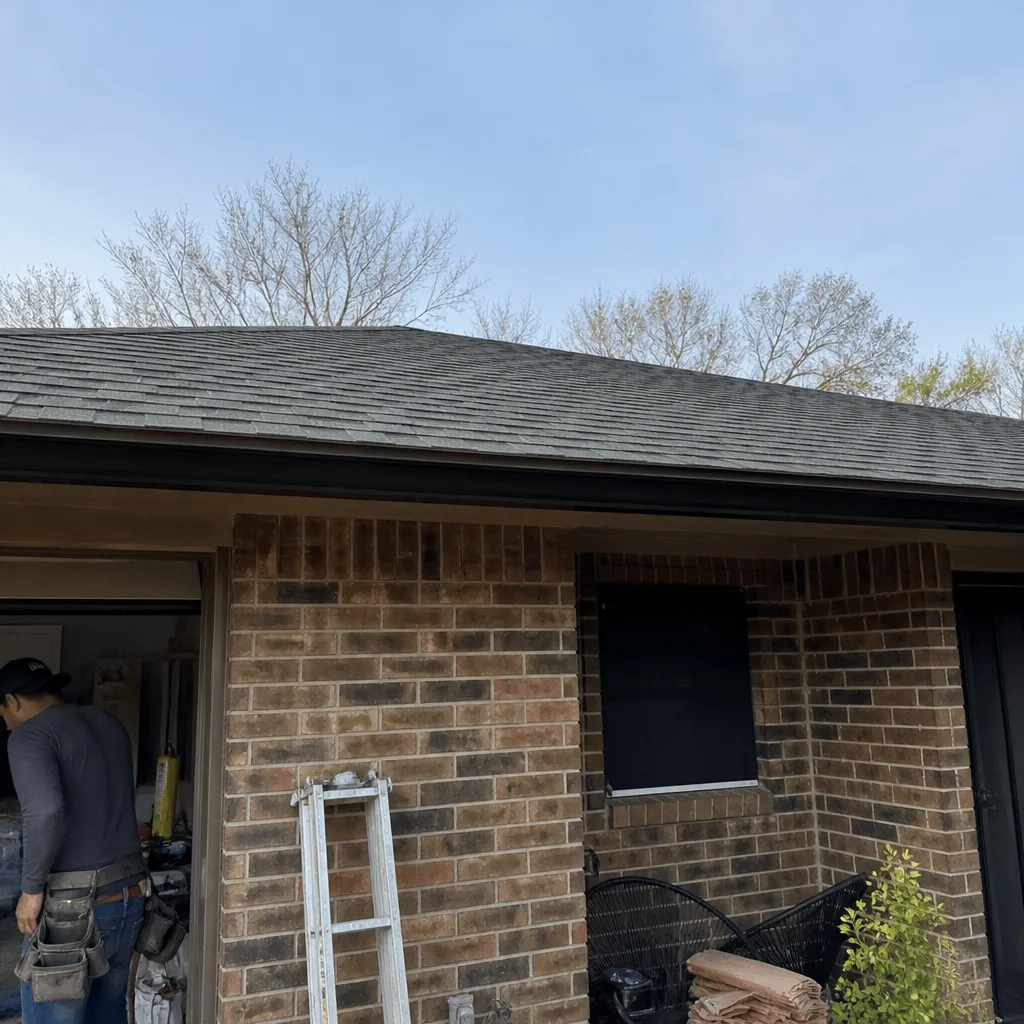 After
After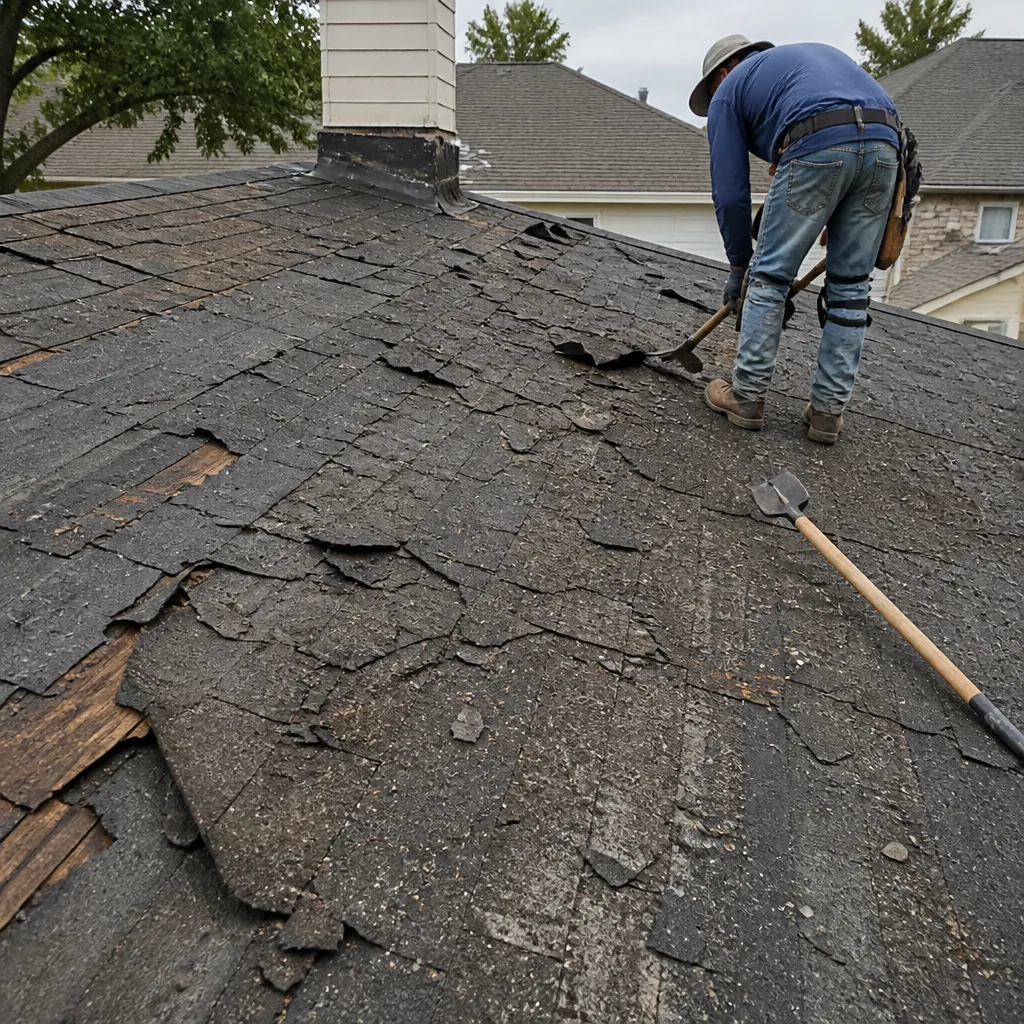 Before
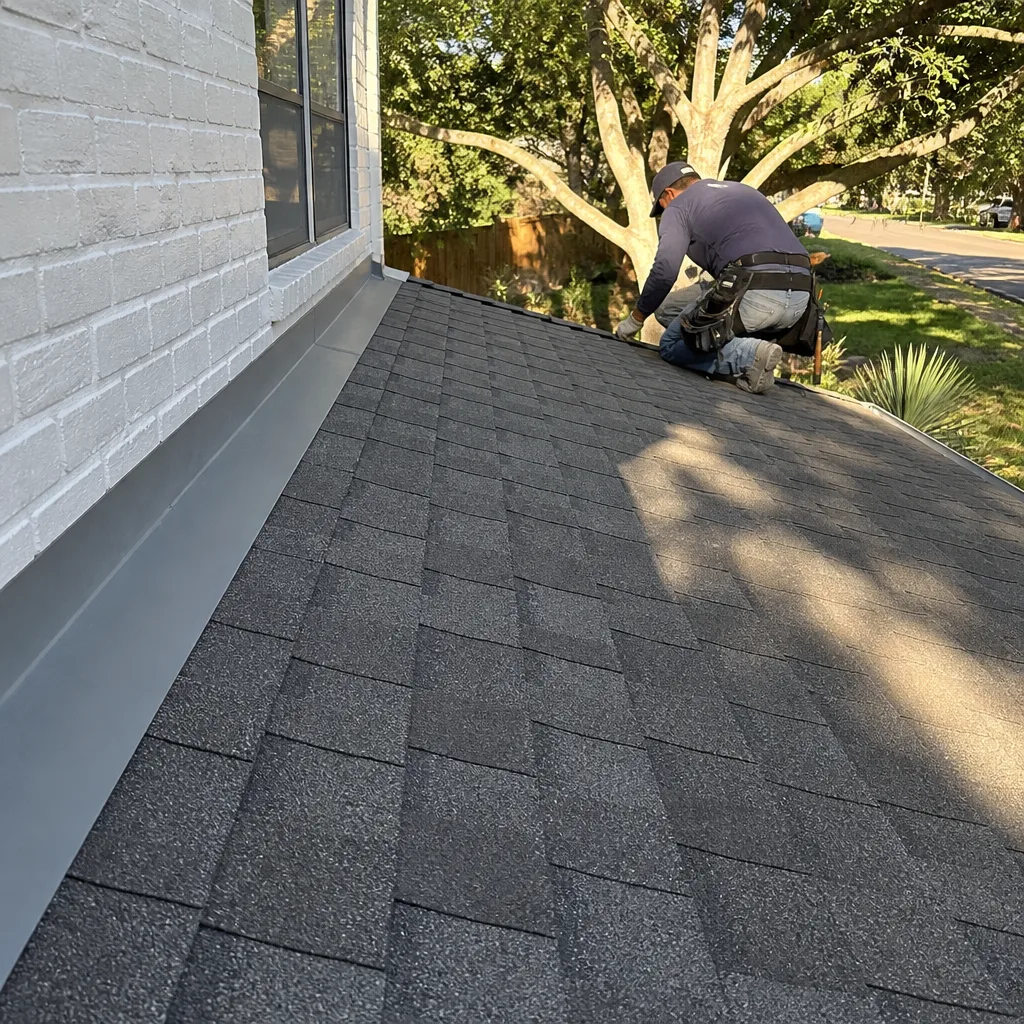 After
AfterWhen to Call a Professional
Some roofing situations are clear calls for a professional, no guesswork involved. If you see water stains on your ceiling, call a roofer. If a hailstorm just passed through your San Antonio neighborhood and your neighbors are getting claims approved, call a roofer before the damage compounds. If you find granules collecting in your gutters, call a roofer. If your roof is past 20 years old and you’re not sure what you’re looking at, call a roofer. If shingles are curling, cracking, or missing after high wind, call a roofer. These are not situations where you watch and wait. Water moves fast once it finds a path. A small leak becomes a ceiling replacement, insulation replacement, and mold problem if left alone. The free estimate is exactly what it sounds like: a professional assessment at no cost. Birchbark Roofing San Antonio offers free estimates throughout San Antonio. Call (903) 354-7802 and a live person will answer, day or night.
Frequently Asked Questions
Most residential roof replacements in San Antonio run between $9,000 and $18,000 depending on roof size, pitch, material choice, and decking condition. Repairs are far less, often between $450 and $1,800. You’ll see your exact number in writing before any work starts. Call (903) 354-7802 for a free estimate with a written price.
For emergencies like active leaks or storm damage, many San Antonio roofers can provide same-day temporary protection such as tarping. Full repairs or replacements take longer and should never be rushed. We’ll give you an honest timeline before work begins.
Not if the estimate is written specifically enough. A line-item estimate that prices decking replacement per sheet, states underlayment type, and specifies every component should not change. The exception is hidden damage uncovered after tear-off, and that should be documented and approved by you in writing before any additional work proceeds. At Birchbark Roofing San Antonio, the written price before work starts is the price. Call (903) 354-7802 and we’ll walk you through every line.
Yes. Any legitimate roofing contractor in San Antonio handles the permit and includes the fee in the estimate. Permits protect you by ensuring the work meets city code and passes inspection. A contractor who suggests skipping the permit is asking you to accept risk you shouldn’t accept.
Most residential roof replacements in San Antonio take two to five days depending on roof size, pitch, and weather. Steep roofs, tile roofs, and homes with multiple stories take longer. We’ll give you a schedule before we start, and we coordinate the door schedule with you if the dog needs to stay inside.
Yes. We’re part of the Cedarwell family of independently owned and operated roofing businesses since 2000, and every job is covered by the 365-Day Done Right Promise and the Cedarwell Care Promise. A live person answers our phone 24 hours a day, 7 days a week. You’ll know who is on your property before the crew arrives.
The Bottom Line
Hiring a roofing contractor in San Antonio comes down to a simple question: does the contractor protect you in writing or ask you to trust a handshake? The five documents-detailed in our Roofing Company Maintenance Checklist for San Antonio Homeowners-the line-item estimate, the verified insurance, the permit pulled and inspection passed, and the payment schedule that withholds final payment until the job passes inspection. These are your protections. They work every time, and they cost you nothing but a few phone calls and a careful read. Hire slow when the storm passes through. The roof will wait. The right contractor will be there, with a written price and a live person on the other end of the line.
Written by Erik Lindgren, Owner at Birchbark Roofing San Antonio, serving San Antonio since 2000.