
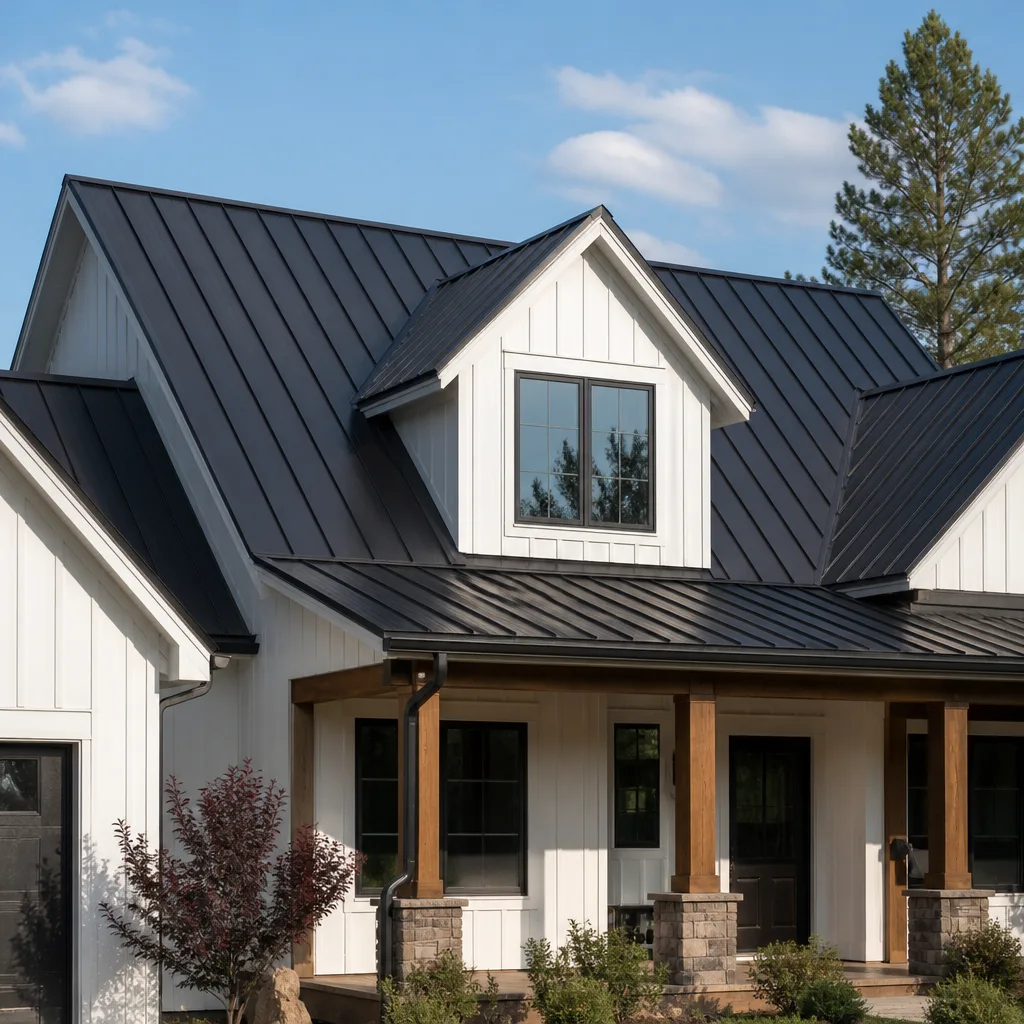
 Metal roofing
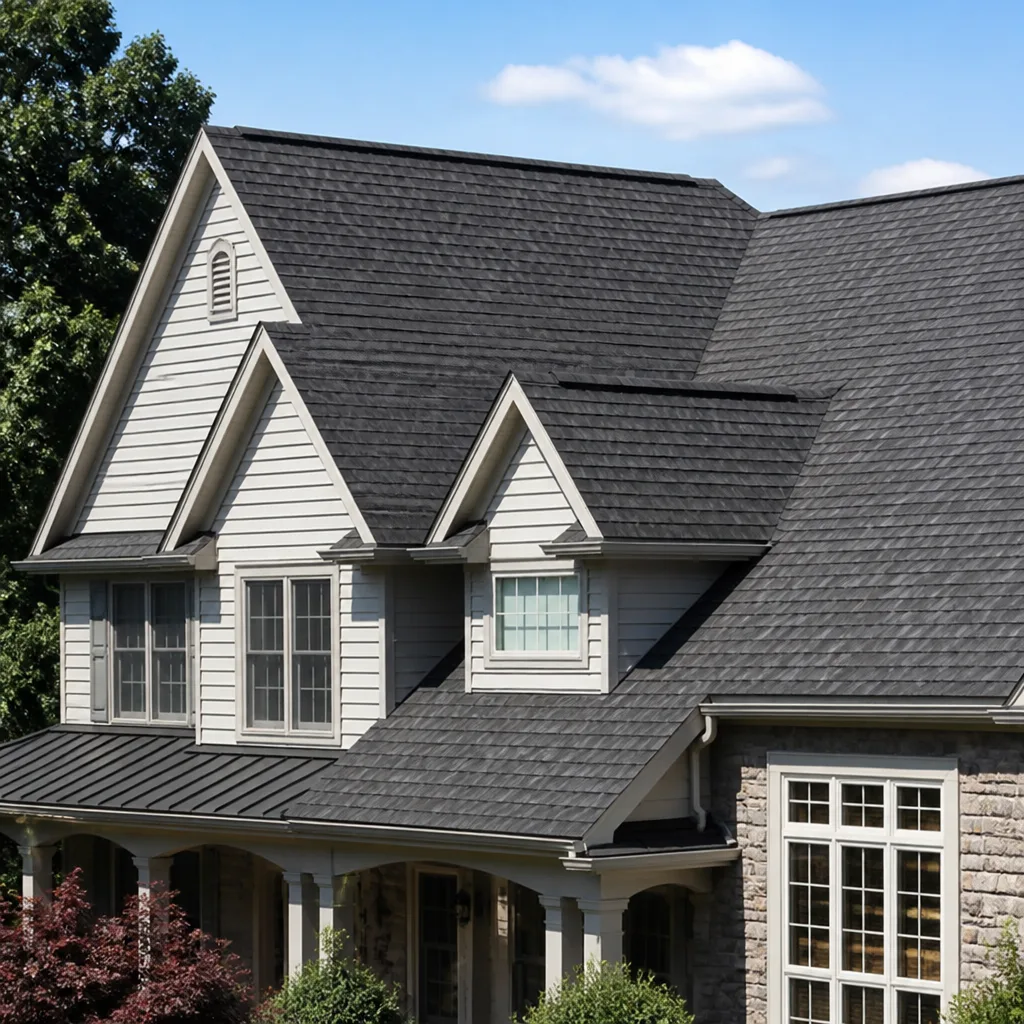 Architectural shingles
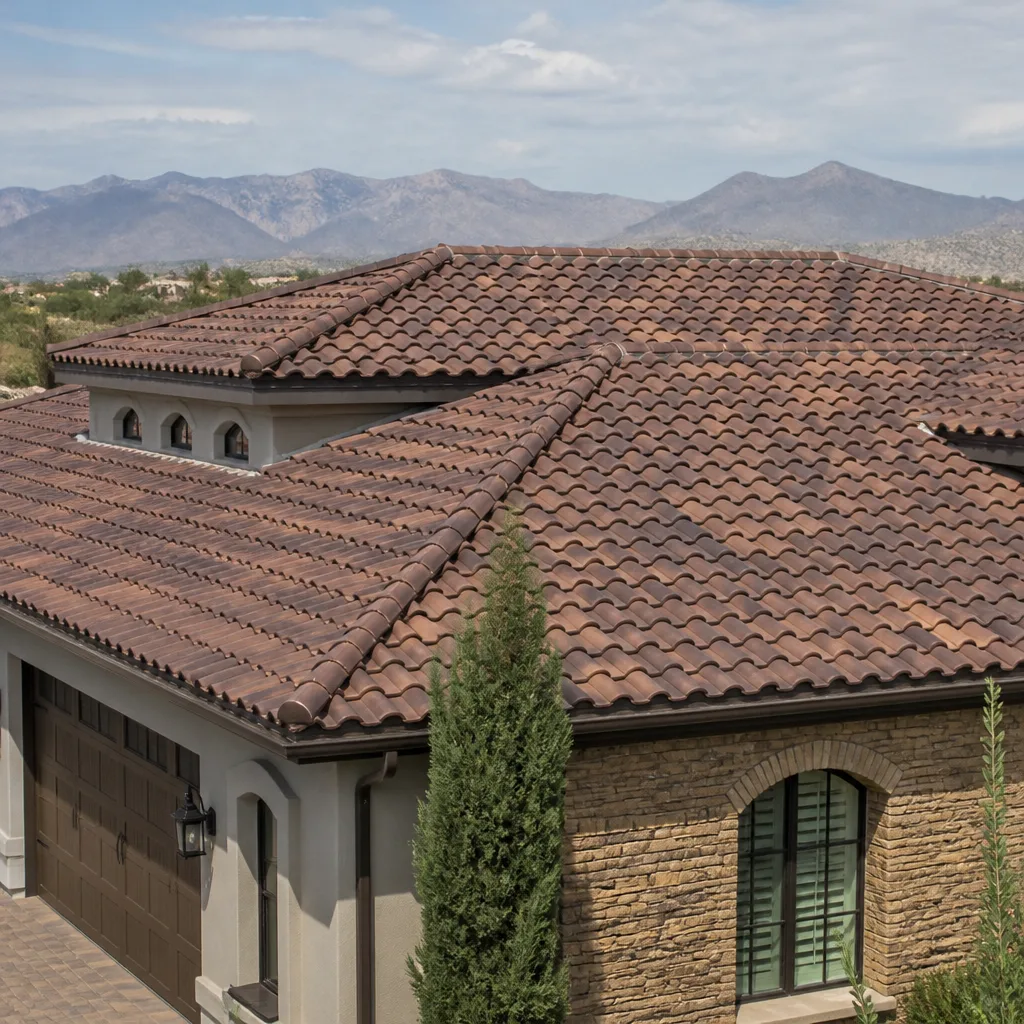 Tile roofing
 GAF
GAF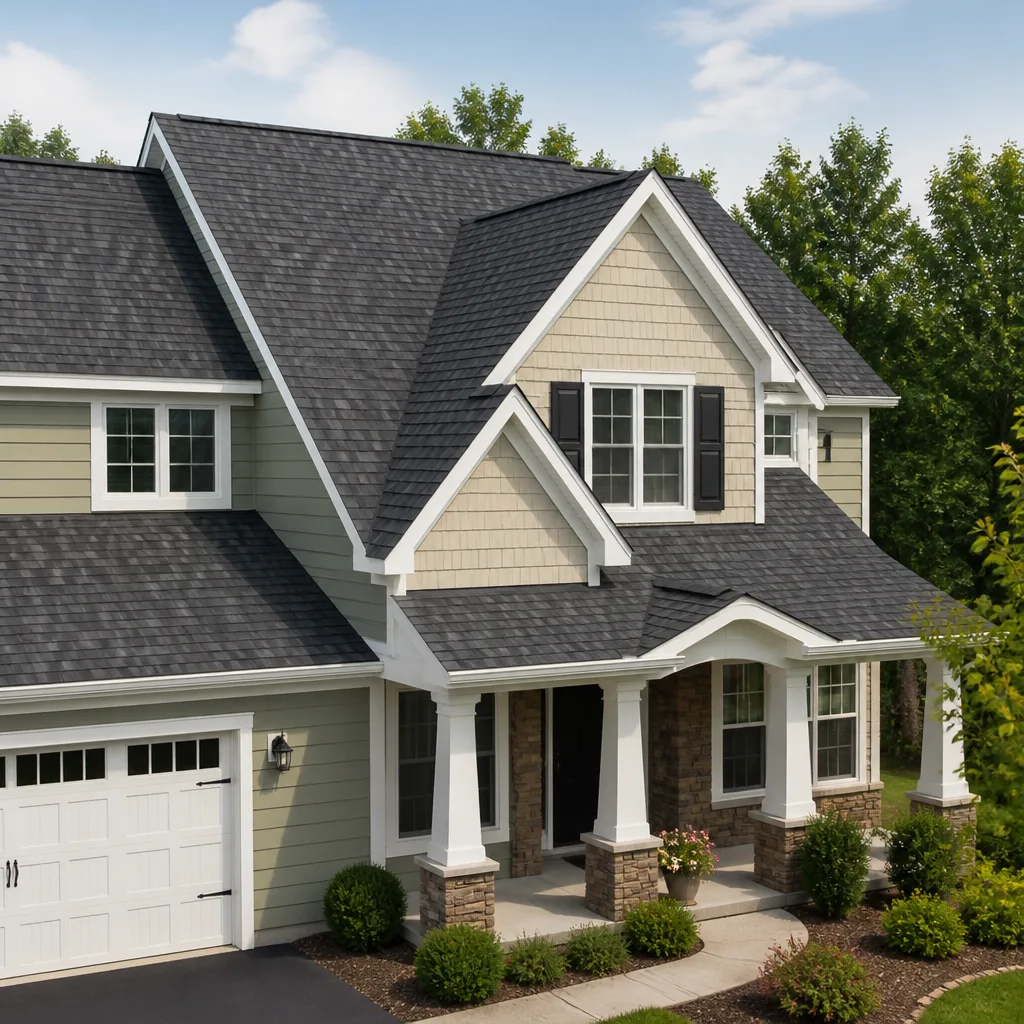 Owens Corning
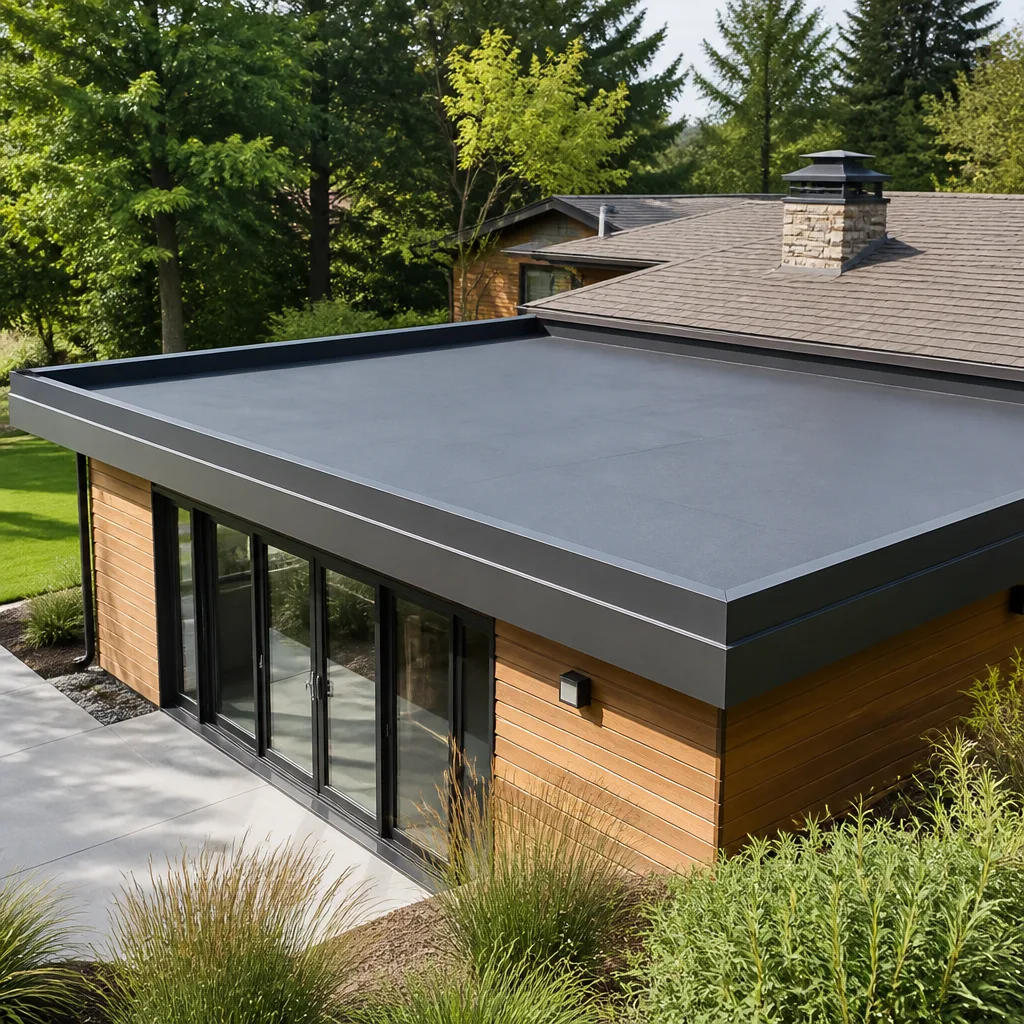 Flat & low-slope
Free roof inspection with deck photos before we talk money - GAF and Owens Corning certified installation
Atlas Ridge Vent Installation: The San Antonio Owner’s Guide
Atlas ridge vent installation in San Antonio typically runs $18 to $32 per linear foot installed, which puts most single-family homes between $450 and $900 for a full ridge replacement with the Atlas product line. We stock Atlas-compatible ridge vent rolls and end caps on our trucks, so most swaps get done in a single visit. The call usually starts the same way: a homeowner notices water stains near the ceiling peak, or a roofer from another company pointed out cracked, sun-baked vent material during an unrelated repair. By the time that happens, the vent has usually been quietly underperforming for a season or two. Texas heat does not treat plastic ridge vent gently, and Atlas’s nylon-matrix material has a specific failure pattern we see on homes all over San Antonio, from Terrell Hills to Helotes.
The ridge vent is the exhaust half of your roof’s air circulation system. It runs along the peak and lets hot, humid attic air escape as fresh air pulls in through the soffits. When it fails, your attic becomes an oven, your shingles cook from underneath, and your cooling bills climb. If you’ve got an Atlas product on the ridge and it’s showing its age, you’re in the right place.
Key takeaways:
- We install Atlas ridge vent with a written line-item price before any work starts.
- Most full-ridge replacements finish in one day, including clean-up.
- We carry Atlas-compatible vent rolls, connectors, and end caps on the truck.
- Every installation is covered by our 365-Day Done Right Promise.
Which Atlas Models This Applies To
Atlas makes two ridge vent lines you’re most likely to see on a San Antonio roof: the Atlas Standard Ridge Vent and the Atlas Snow Country Ridge Vent. The Snow Country version has a taller profile and an internal baffle design meant for deep snowpack, which matters here only if you bought the home from someone who moved from Colorado and used what they knew. The Standard line is by far the most common on residential roofs in Bexar County and the surrounding areas. Both use Atlas’s nylon-matrix core with a woven outer fabric, and both take the same 3/4-inch slot cut at the ridge.
The compatibility gotcha most homeowners hit: Atlas ridge vent rolls are 4 feet long, not 10 feet like some other brands. If you or another roofer ordered by count rather than by linear foot, the math gets short fast. We measure ridge length in linear feet and convert to Atlas roll counts on the estimate, so the number you see is the number we install.
On the OEM-versus-aftermarket question: in our experience, Atlas’s nylon-matrix core holds its shape better in South Texas heat than the generic polyester-mat alternatives, and the factory end caps actually fit the profile instead of needing to be trimmed. The price difference between OEM Atlas vent and a quality aftermarket equivalent is usually less than $3 per linear foot, and on a part that should be on your roof for 20 or more years, that’s money we tell homeowners to spend.
We work with roofing materials from GAF, CertainTeed, Owens Corning, and Atlas, among others. Birchbark Roofing San Antonio is an independent local roofing company, not an Atlas dealer or affiliate. That independence is useful: we install the vent that fits your roof and your budget, not the one a manufacturer contract tells us to push.
Styles & brands we work with
Signs Your Atlas Ridge Vent Installation Is Failing
Ridge vent failure isn’t always dramatic. It’s usually gradual, and the signs show up inside the house first. Here’s what we see most often when we get called out to diagnose a failing Atlas ridge vent in San Antonio:
- Water staining at the ceiling peak during hard rain. This usually means the vent’s outer fabric has worn through or the end caps have pulled loose, letting wind-driven rain push under the vent. San Antonio’s spring downpours are exactly the kind that exploit this gap.
- Crumbling or brittle vent material you can see from the ground. After 12 to 15 years of direct Texas sun, the nylon matrix gets chalky and breaks off in pieces. If you can see daylight through what used to be solid vent, it’s done.
- Attic temperature spikes in summer. If your August attic hits 150 degrees even though you have venting, the ridge vent has likely collapsed or the baffles have clogged with dust and debris. A working ridge vent should keep attic temps within about 15 degrees of outdoor air.
- Curling shingles near the ridge but nowhere else. Trapped heat cooks the shingles closest to the peak first. This is the classic sign the exhaust path is blocked or not pulling air the way it should.
- Birds or squirrels in the attic near the peak. A cracked ridge vent is an open doorway for wildlife. If you hear scratching near the high point of the house, there’s a gap somewhere, and ridge vent is high on the suspect list.
See the difference
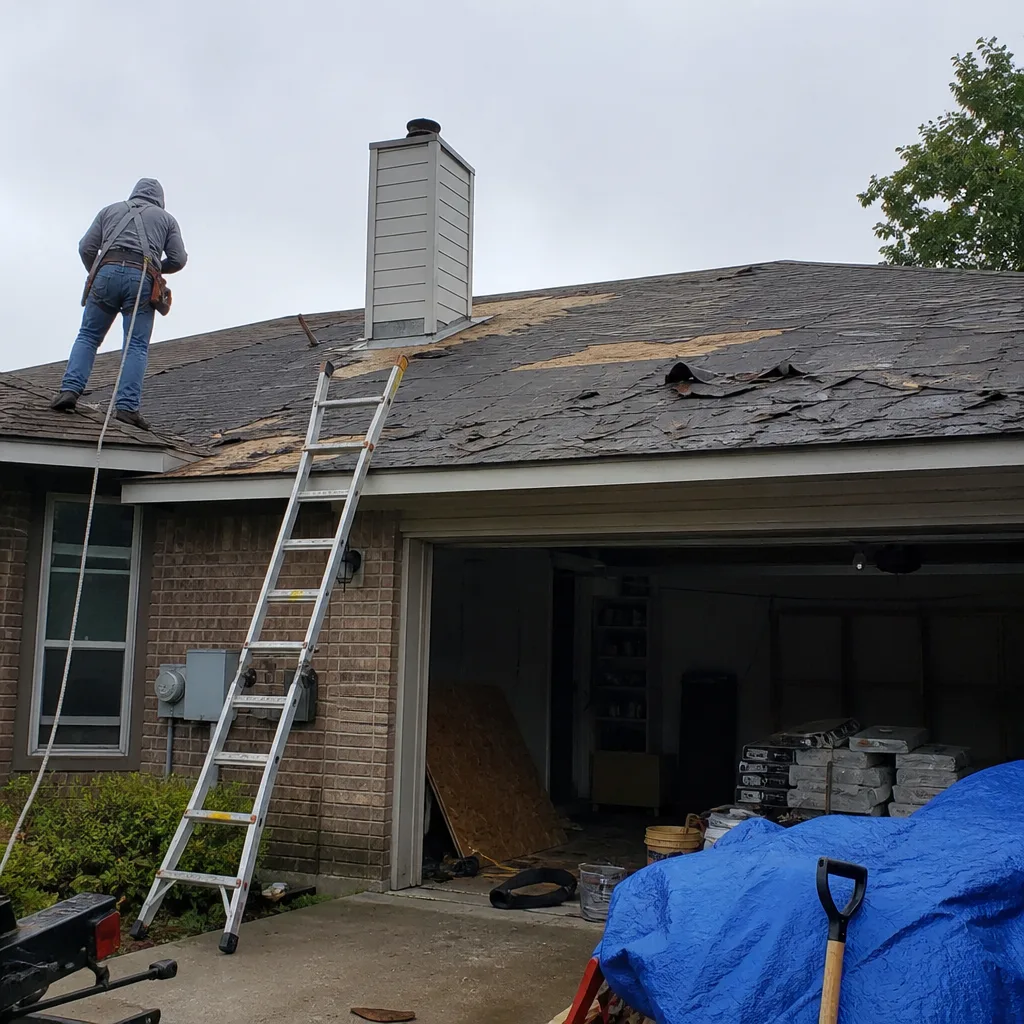 Before
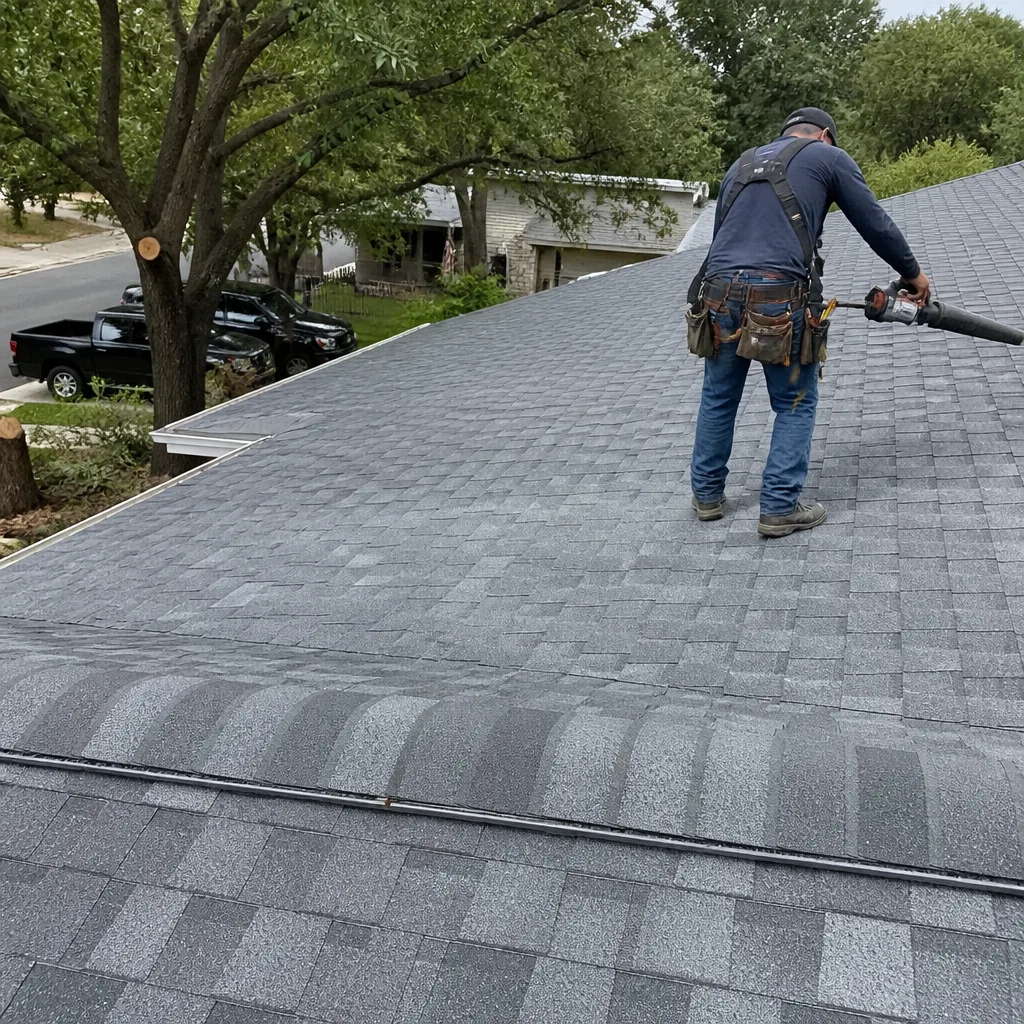 After
After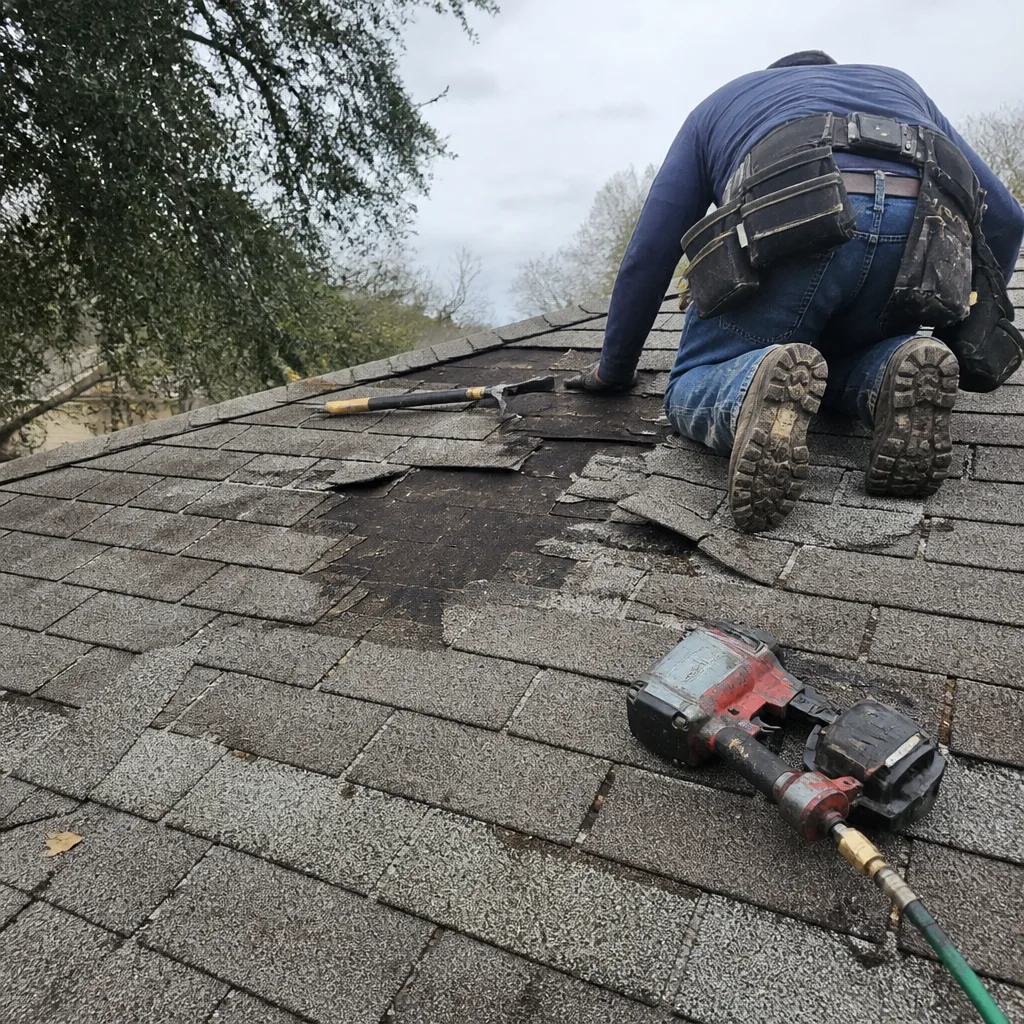 Before
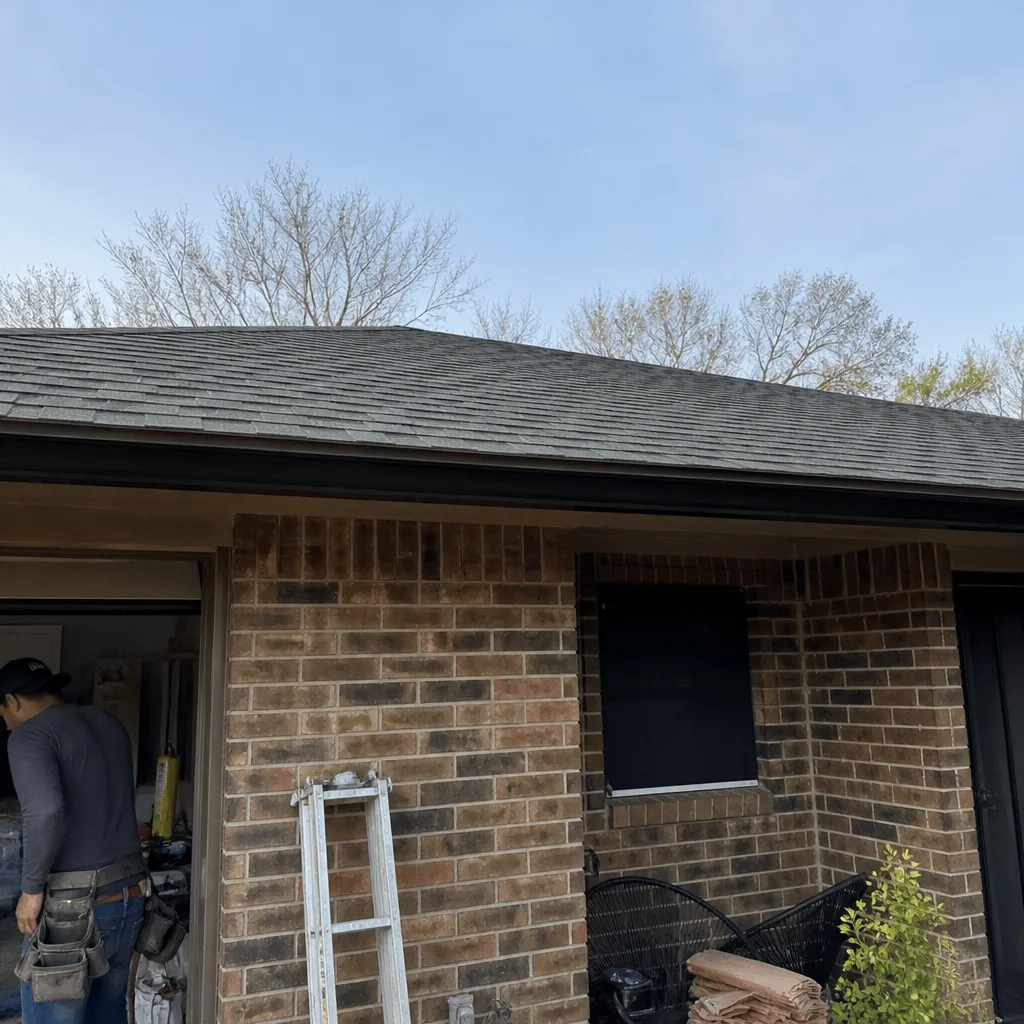 After
After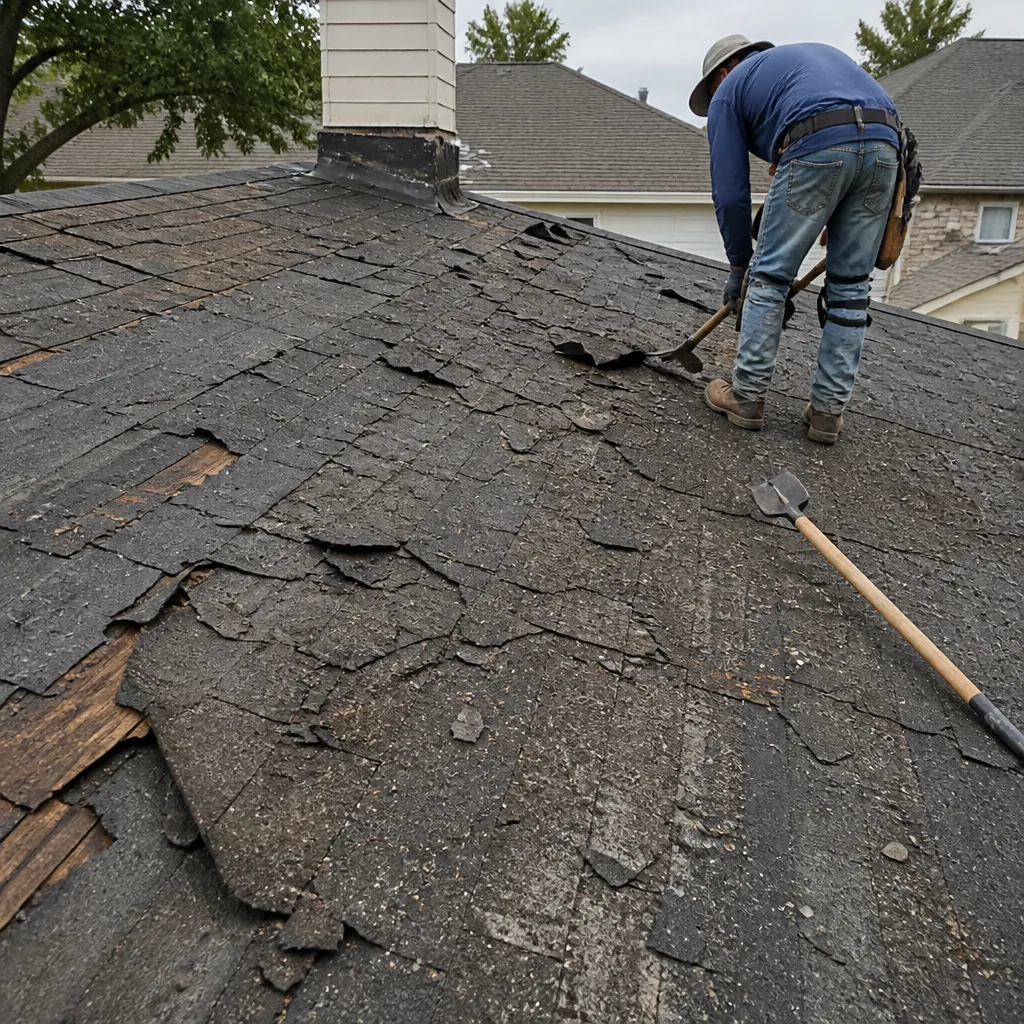 Before
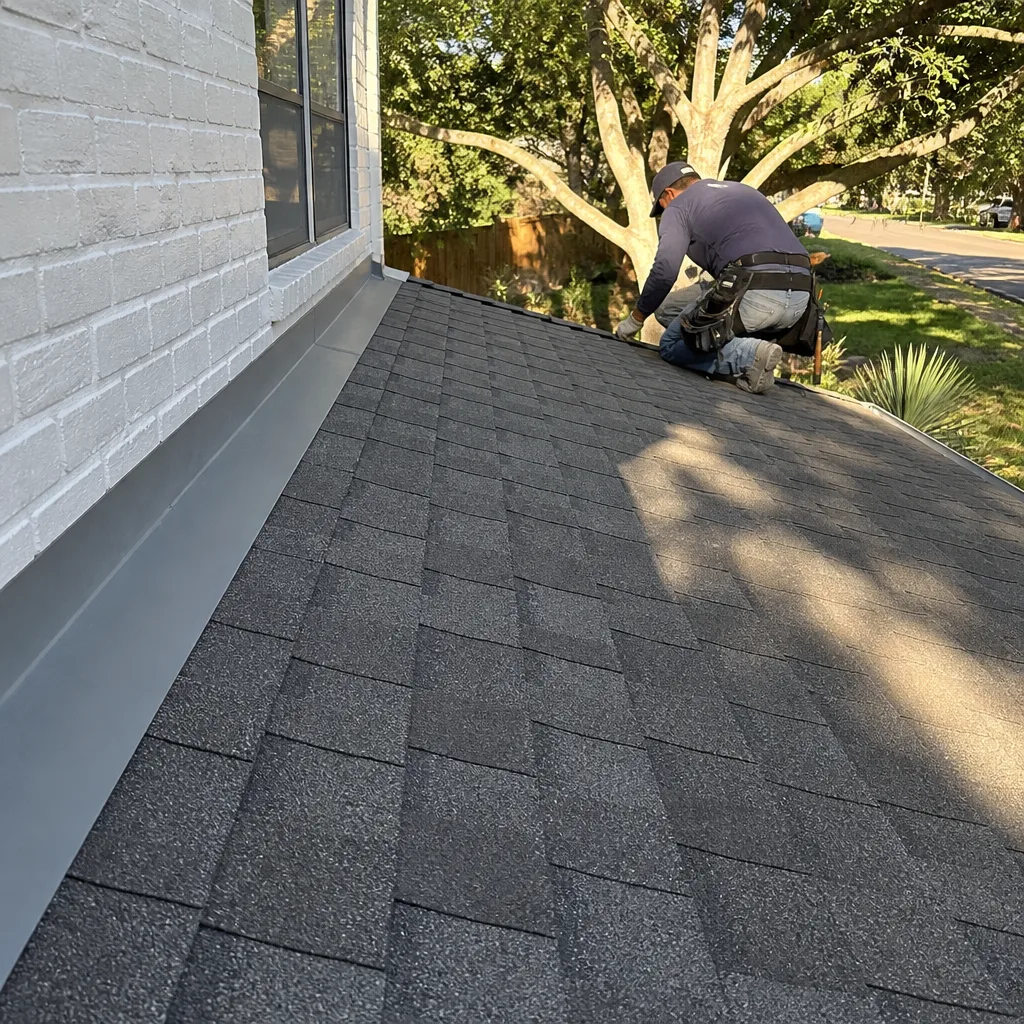 After
AfterReplacement Cost & What’s Included
For a full Atlas ridge vent installation in San Antonio, most homes fall between $450 and $900 installed. That covers removing the old vent, inspecting and repairing the ridge slot where necessary, installing the new Atlas vent with proper overlap and fasteners, sealing the end caps, and hauling all debris away. Per-linear-foot pricing breaks down like this:
- Atlas Ridge Vent material: $4 to $7 per linear foot
- Labor and installation: $8 to $12 per linear foot
- Removal and disposal of old vent: $2 to $4 per linear foot
- End caps and connectors: $15 to $25 each
- Ridge slot re-cut or widening, if needed: $1 to $2 per linear foot
What drives the range? Roof pitch and ridge access are the big ones. A single-story ranch with an easy walk is faster than a two-story home with a steep pitch and tie-off points that take time to set up safely. If the old vent was nailed through asphalt shingles that now need spot repair, that adds a little. What never changes: you get a written price in dollars before we start, and that price is what you pay. There’s no change order at the end for “unexpected complications” we should have caught during the estimate. Every Atlas ridge vent installation we do is covered by our 365-Day Done Right Promise, and we walk you through what that covers before the crew sets a ladder.
DIY or Call Us?
Honest answer: the risk here isn’t spring tension or electrical shock, it’s the fall. Ridge work means being at the highest point of the roof, often on a steep pitch, carrying material and tools. Falls from roof height are the leading cause of roofing injuries, and a ridge vent swap done wrong won’t just fail to vent, it’ll leak. We’ve also seen DIY swaps where the old vent came off and revealed rotted sheathing at the slot, turning a three-hour job into a decking replacement the homeowner wasn’t prepared for.
What you can do safely from the ground: look for the crumbling I mentioned, note any gaps at the ends of the ridge, and check your attic on a hot afternoon to get a feel for peak temperatures. That gives us a head start. What you shouldn’t do is spend a Saturday on a ladder at 20 feet with an impact driver and a roll of vent material you ordered online. If the ridge is leaking, cracked, or blown loose, call us at (903) 354-7802 and we’ll come look. You’ll get a written price before anything goes on the roof.
FAQs
Atlas ridge vent realistically lasts 15 to 20 years in San Antonio’s sun and heat, with most homes getting replaced in the 15-to-18 range. The nylon-matrix material shrugs off water but our UV exposure is brutal, and the outer fabric is usually the first layer to go. Call (903) 354-7802 and we’ll tell you honestly whether yours has years left or months.
Small cracks in the outer fabric can sometimes be sealed as a stopgap, but if the matrix has gone brittle or the baffles are collapsed, a patch won’t restore the airflow and you’ll be back on the roof within a season. By the time a ridge vent shows visible damage from the ground, we usually recommend replacing the full run for a complete fix and a clean warranty. We’ll show you the damage before we touch anything.
A typical single-family Atlas ridge vent installation takes one working day, including old vent removal, any slot repair, new vent installation, fastening, end cap sealing, and full clean-up. We photograph the completed clean-up before we leave, so you’re not trusting us on that, you’re seeing it.
Yes, we keep Atlas-compatible ridge vent rolls, connectors, and end caps stocked on our trucks for the most common residential profiles in San Antonio. That means most replacements are completed in one visit, with no waiting on a parts shipment or a follow-up day.
Call (903) 354-7802 to schedule your free estimate. A live person answers, day or night, and you’ll get a written price in dollars before any work starts. A written price and a straight answer, that’s where we start.
Written by Erik Lindgren, Owner, Birchbark Roofing San Antonio at Birchbark Roofing San Antonio, serving San Antonio and nearby areas.