
 Metal roofing
 Architectural shingles
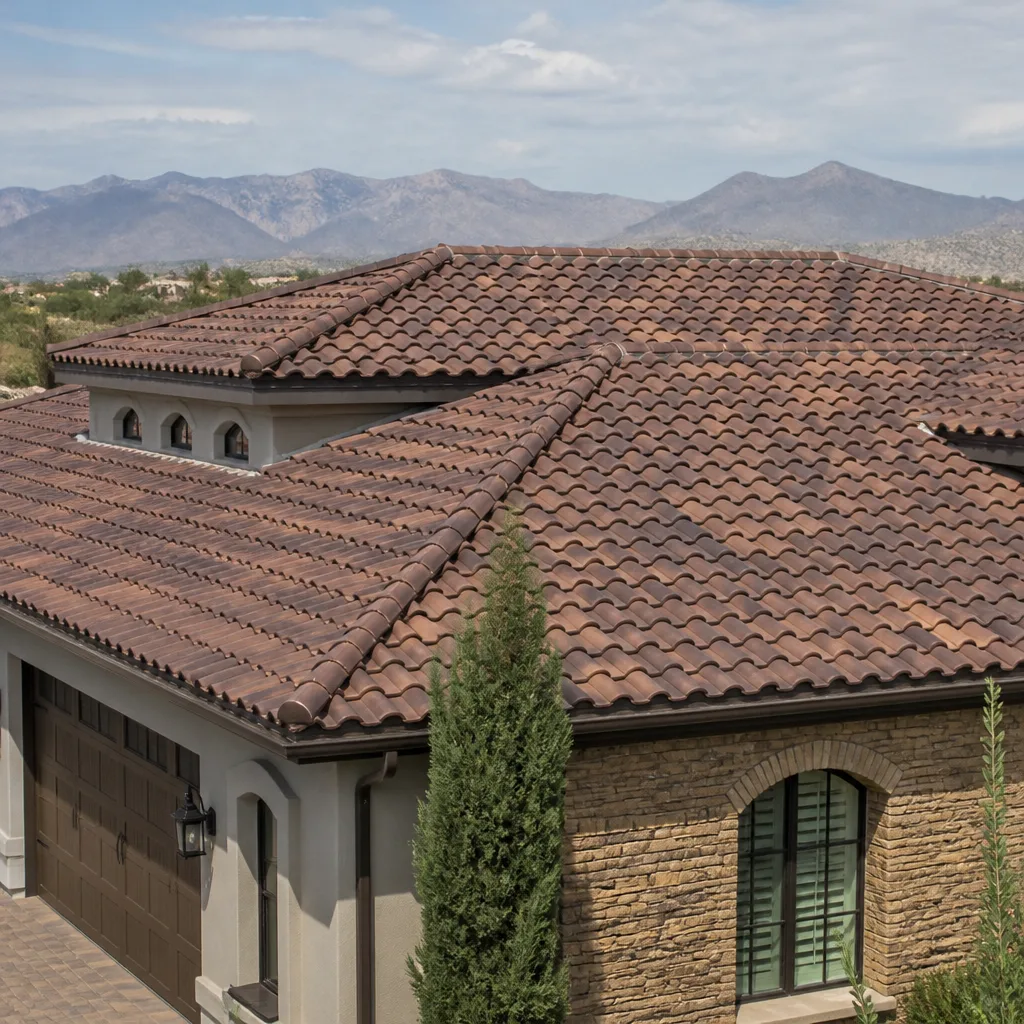 Tile roofing
 GAF
GAF Owens Corning
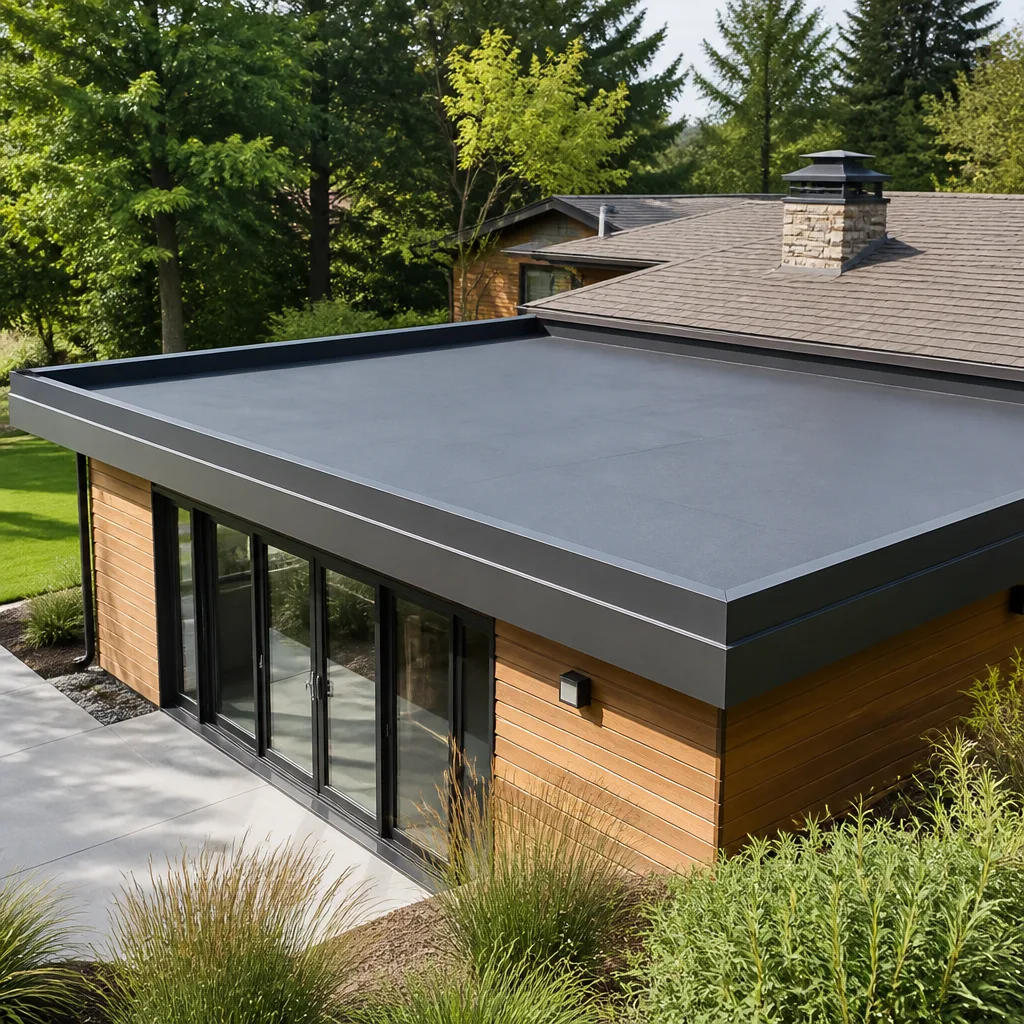 Flat & low-slope
Free roof inspection with deck photos before we talk money - GAF and Owens Corning certified installation
CertainTeed Flashing Replacement: The San Antonio Owner’s Guide
We stock and install CertainTeed-compatible flashing replacement across San Antonio, with most residential flashing jobs running between $350 and $900 installed depending on penetration count, roofline access, and whether we’re replacing step flashing, pipe boots, or valley metal. Most flashing failures show up as a water stain on the ceiling or a damp spot in the attic after a hard Hill Country rain, not as something you spot from the driveway. The good news is that flashing replacement is a contained repair: we’re not tearing off your roof, we’re surgically replacing the metal or rubber components that have stopped doing their job.
Which CertainTeed Models This Applies To
CertainTeed flashing products fall into a few distinct lines, and the replacement path depends on which one your San Antonio home has. The most common CertainTeed flashing we encounter is their WinterGuard line (rubberized underlayment used as flashing protection at eaves, valleys, and penetrations) and their Integrity Roof System components, which include pre-formed pipe boots, ridge flashing, and step flashing designed to pair with CertainTeed shingle profiles like Landmark, NorthGate, and Presidential Shake.
Here’s the compatibility gotcha most homeowners don’t know: CertainTeed’s pre-formed flashing pieces are engineered to sit flush with specific shingle thicknesses. A pipe boot spec’d for a standard Landmark architectural shingle won’t always seat correctly under a heavier Presidential Shake profile, which is about 30% thicker. If the flashing was originally installed with a mismatched boot, water finds the gap. We match the replacement to the shingle profile on your roof, not just to “a CertainTeed part.” As for OEM versus aftermarket: for pipe boots and step flashing, quality aftermarket equivalents from brands like Oatey or Gibraltar often meet or exceed OEM spec at 40-60% of the CertainTeed-branded price. For valley metal and custom-bent pieces, we fabricate on site to match your existing profiles exactly. Birchbark Roofing is an independent service provider, not affiliated with CertainTeed, which means we recommend the right part for the roof, not the part that protects a brand relationship. We also work with flashing from GAF and Owens Corning when the situation calls for it.
Styles & brands we work with
Signs Your CertainTeed Flashing Replacement Is Failing
- Water staining on ceilings or walls after rain. Flashing is the first line of defense at every roof penetration. When a pipe boot’s rubber collar cracks or step flashing pulls away from a sidewall, water follows the path of least resistance, which in San Antonio’s limestone-heavy soil means down the exterior wall cavity and onto your drywall. The stain is rarely directly under the failure point.
- Granules accumulating in gutters near valleys or dormers. Valley flashing doesn’t fail alone, it fails when the shingles above it start shedding granules and the metal underneath gets exposed to our UV load. If you’re seeing heavy granule loss concentrated near a valley, the flashing underneath is taking more sun and thermal cycling than it was designed for.
- Rust streaks or pitting on exposed flashing. Galvanized steel flashing in San Antonio typically lasts 15-25 years depending on slope and sun exposure. Once you see rust streaks bleeding down the roof, the protective zinc layer is compromised and the clock is ticking. Coastal-adjacent homes don’t have this issue the way we do here, but our summer UV and occasional hail make short work of compromised metal.
- Caulk or sealant cracking around pipe boots and vents. That bead of sealant someone applied around your vent stack was always a temporary fix. Every San Antonio summer, the attic hits 140+ degrees, and the thermal expansion cycle eventually separates any caulk from the metal or rubber it’s glued to. If the sealant is cracked, the flashing underneath likely is too.
- Daylight visible through the roof deck in the attic. This is the one to check on a bright afternoon. If you can see slivers of light where a pipe or vent penetrates the roof deck, the flashing has fully separated from the decking. Water is getting in. Call us.
See the difference
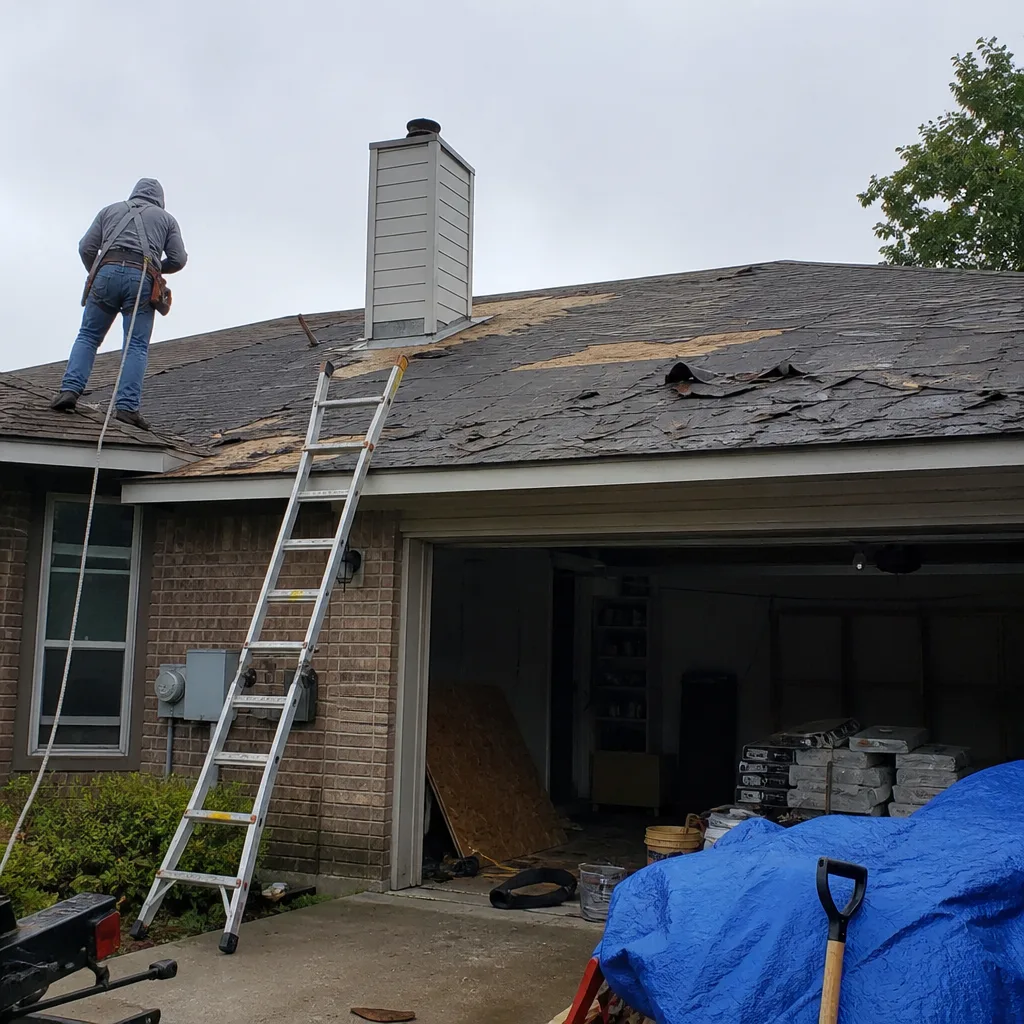 Before
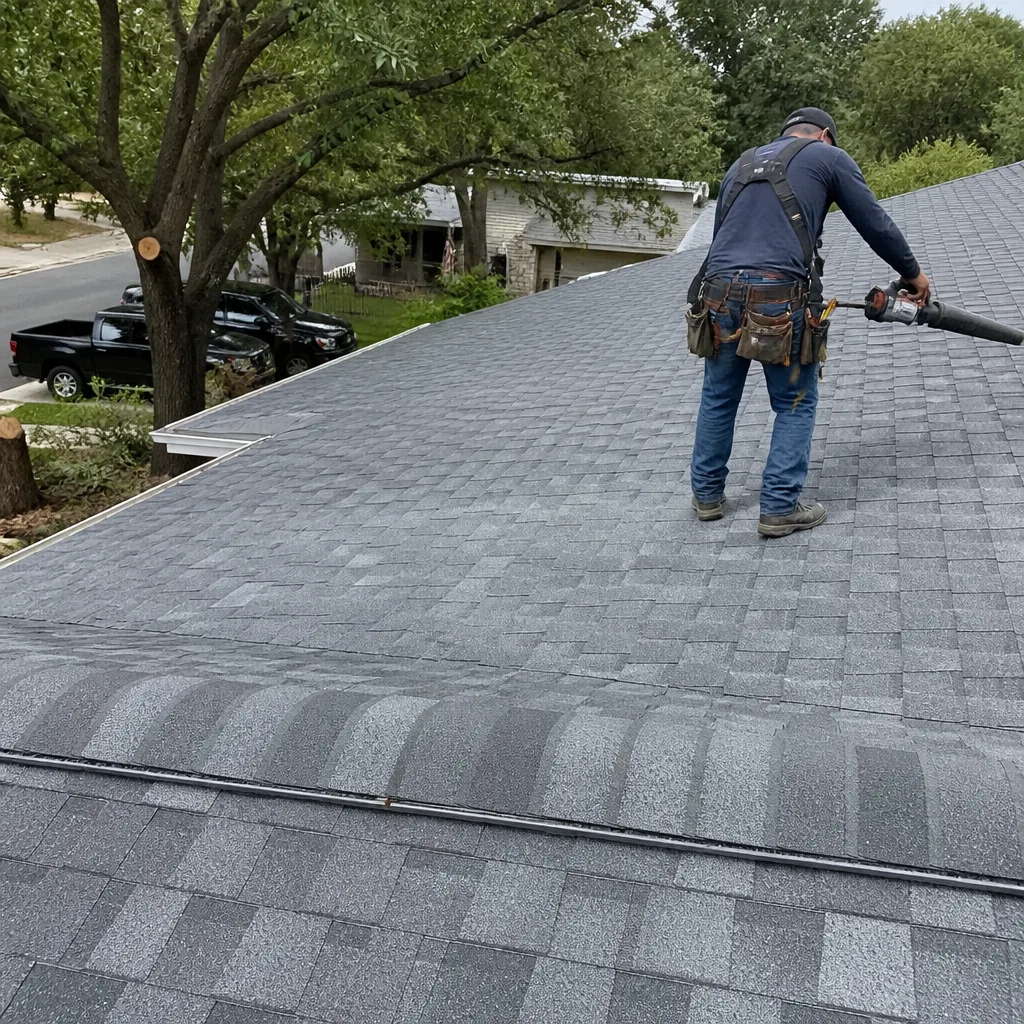 After
After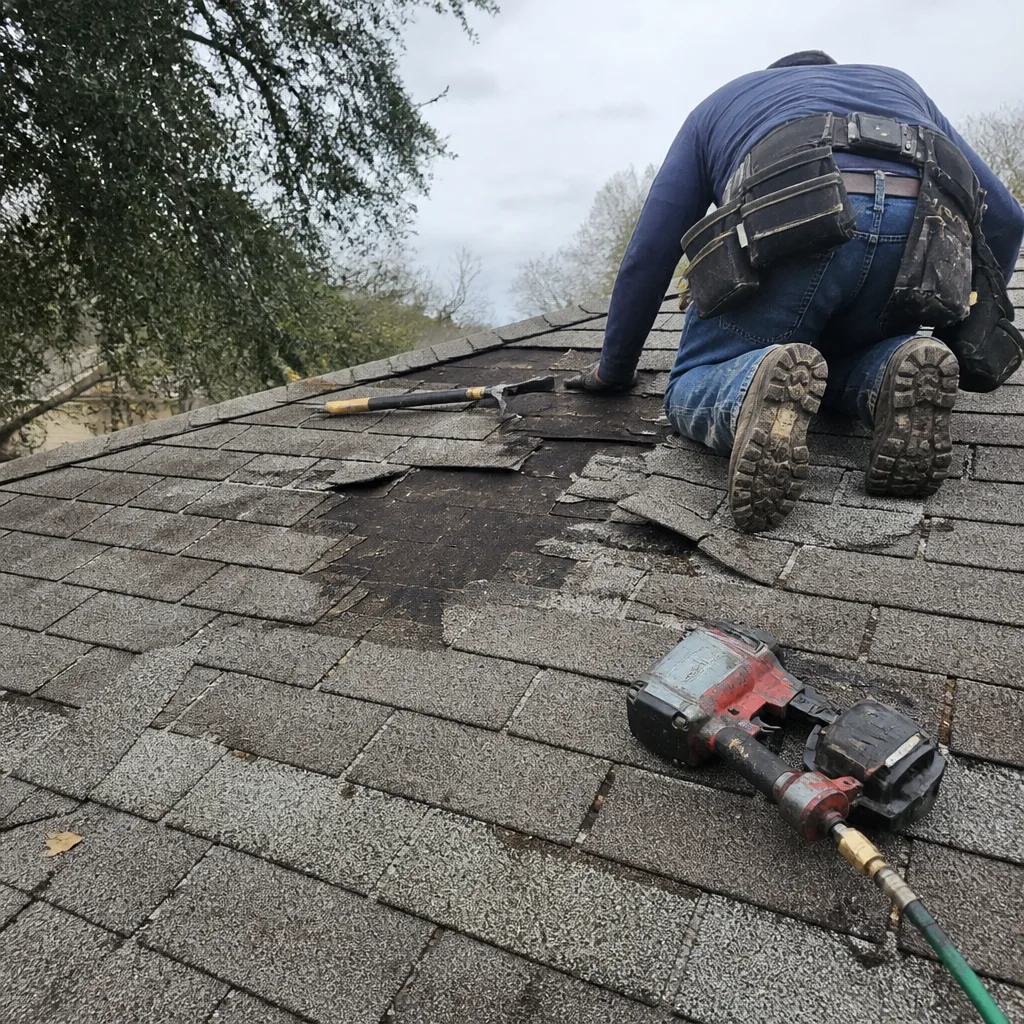 Before
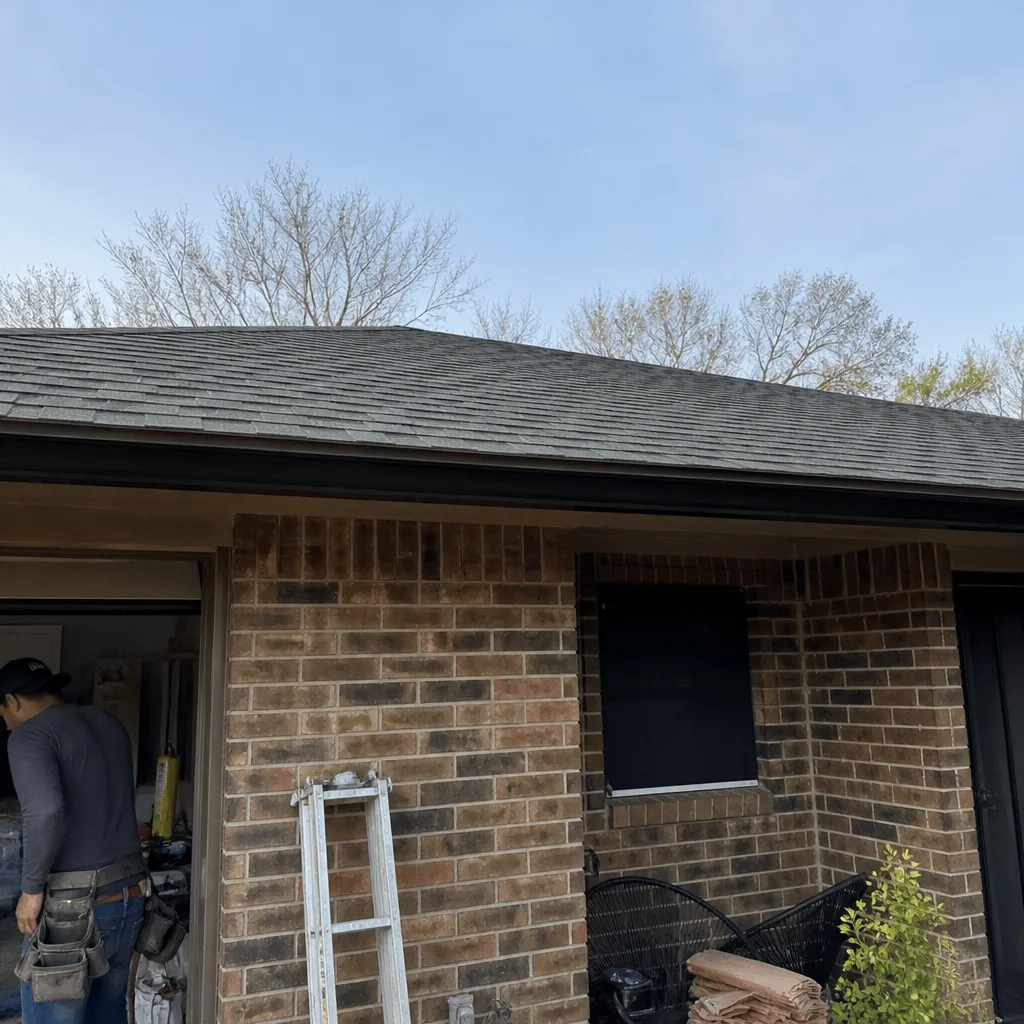 After
After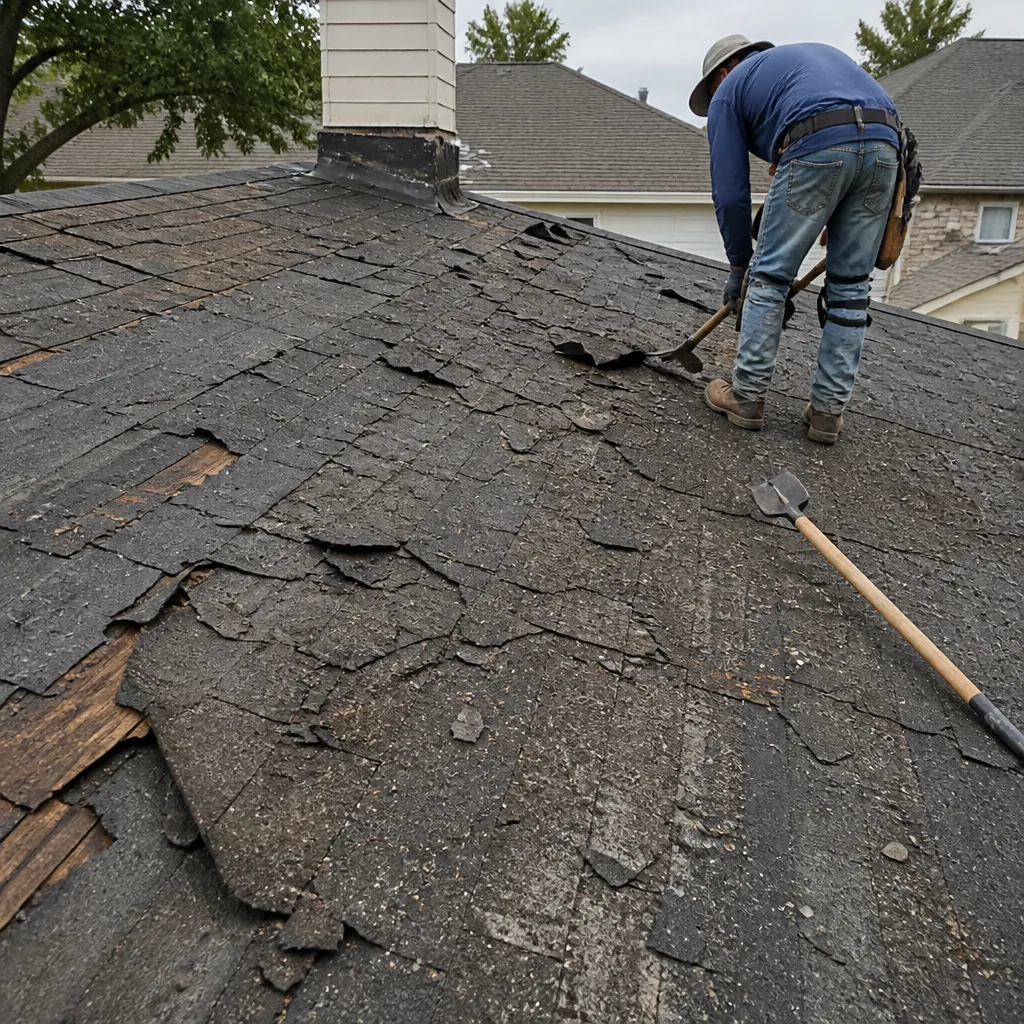 Before
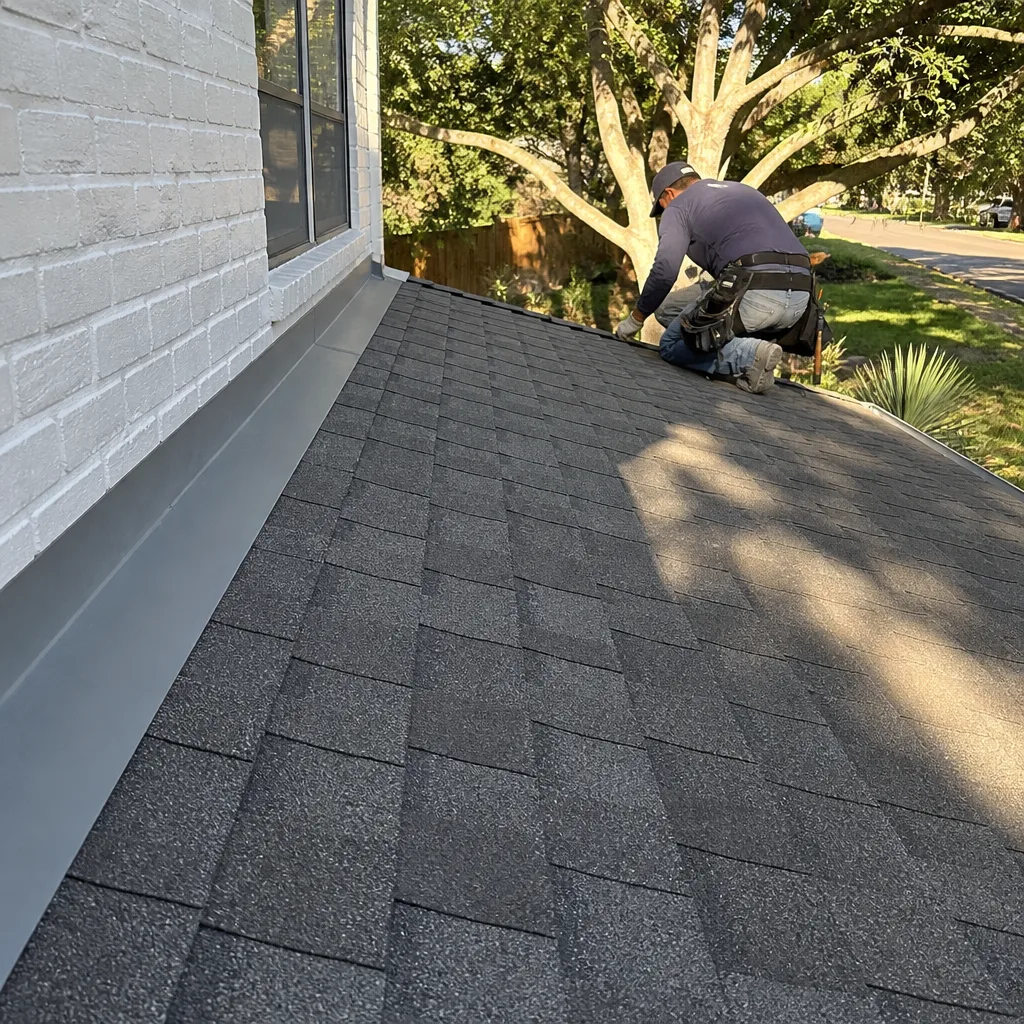 After
AfterReplacement Cost & What’s Included
In San Antonio, a single pipe boot replacement typically runs $350-$500, a section of step flashing along a dormer or sidewall runs $450-$700, and a full valley flashing replacement runs $600-$900 depending on length and whether we need to lift shingles to access the underlayment. The main cost drivers are roof slope (anything over 8/12 means safety harnesses and slower work), accessibility (two-story over vaulted ceilings costs more than a single-story walkable roof), and how far the flashing is embedded under existing shingles.
Every quote includes the flashing material, fasteners, sealant, labor, and disposal of the old flashing, plus our 365-Day Done Right Promise: if the work isn’t right, we make it right. You’ll see a written price in dollars before any work starts, always, and that number doesn’t change unless we find something structural during the repair that you approve in writing first.
DIY or Call Us?
What you can safely do: identify which penetration is leaking (check the attic after the next rain, mark the spot, and note which vent or pipe is directly above it), clear debris from valleys and gutters so water can drain, and document what you’re seeing with photos. That’s a smart homeowner’s job, and it helps us quote faster.
What we don’t recommend is standing on a roof to replace flashing yourself. Flashing replacement means lifting shingles, bending metal to match your existing profiles, and getting the sealant and fastener pattern right, and doing that properly requires working on a slope, often near the edge. A wrong step on a San Antonio roof in July, when shingles are soft enough to tear under your boot, is not worth the money saved. Our crew uses safety harnesses on anything steeper than 6/12, and we’d rather you call us than test your luck. Call (903) 354-7802 if you’re seeing any of the signs above, and we’ll give you a straight answer and a written price.
FAQs
Most galvanized or aluminum flashing lasts 15 to 25 years in San Antonio, but pipe boot rubber collars typically fail within 10 to 15 years because our UV load and attic heat bake the rubber until it cracks. If your home is more than 15 years old and you’re seeing attic water stains, the flashing is a likely culprit. Call (903) 354-7802 and we’ll schedule an inspection.
Small gaps can sometimes be sealed for a season or two, but in our experience, sealant over cracked rubber or rusted metal is a stopgap, not a fix. The San Antonio thermal cycle re-cracks most patches within a year. For anything that’s actively leaking, we recommend replacement, and we’ll show you why in writing before you commit to any cost.
A single pipe boot replacement takes about 60-90 minutes on site. A full valley or step flashing replacement along a dormer takes a half-day. The work itself is quick; the prep and clean-up are what we refuse to rush, including shoe covers at the door if we need interior access and a photo of the completed clean-up before we leave.
We carry standard pipe boots, step flashing, and sealant on our trucks, and we fabricate custom valley and sidewall flashing on site to match your existing profiles. If you have a specific CertainTeed component you want matched, call (903) 354-7802 ahead of time and we’ll confirm we have what you need before we schedule the visit.
Written by Erik Lindgren, Owner, Birchbark Roofing San Antonio at Birchbark Roofing San Antonio, serving San Antonio and nearby areas.