
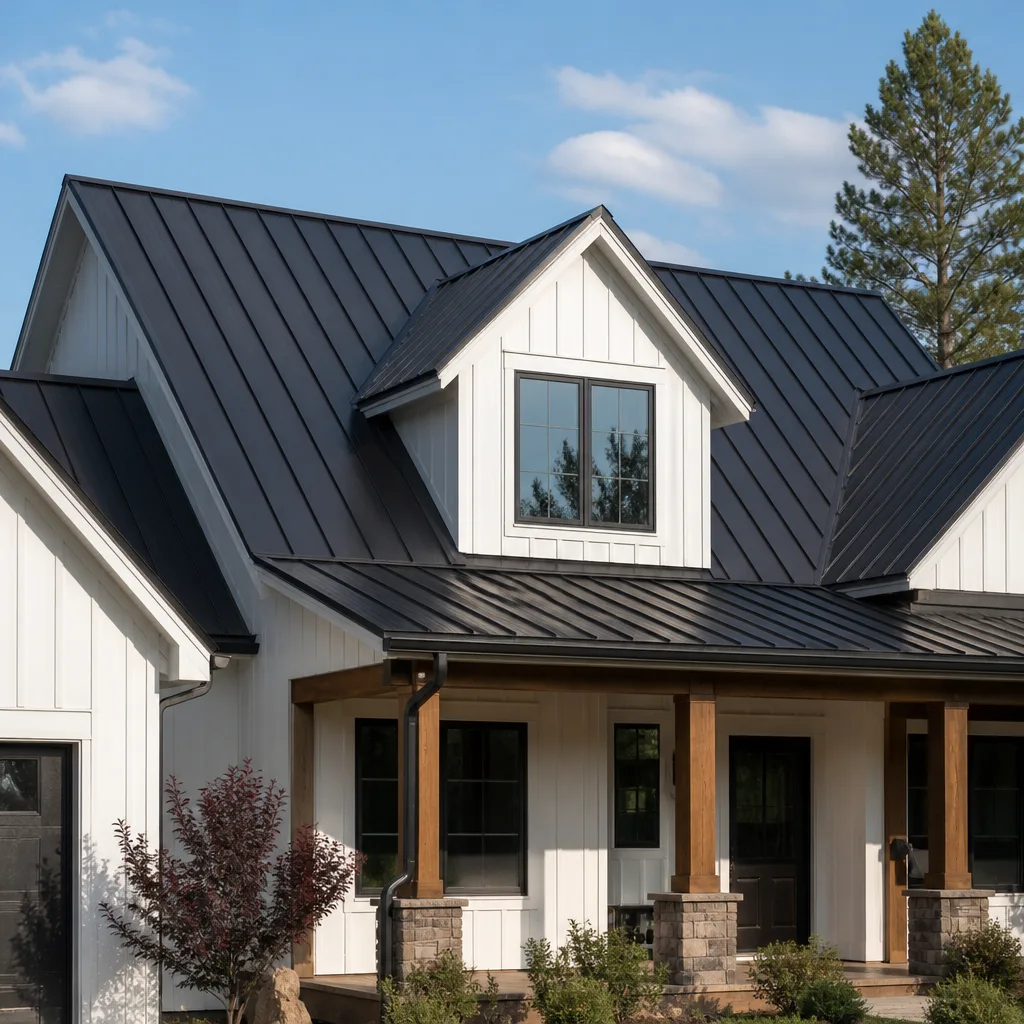
 Metal roofing
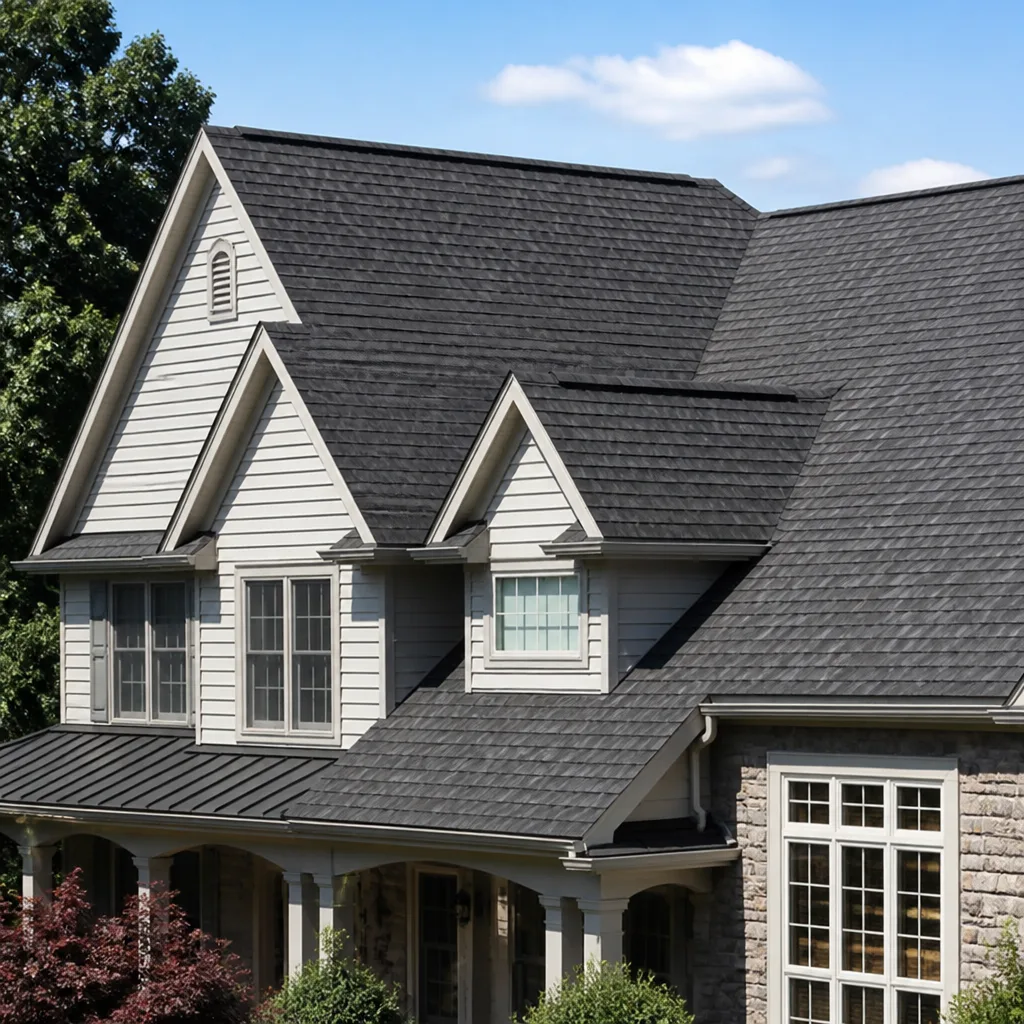 Architectural shingles
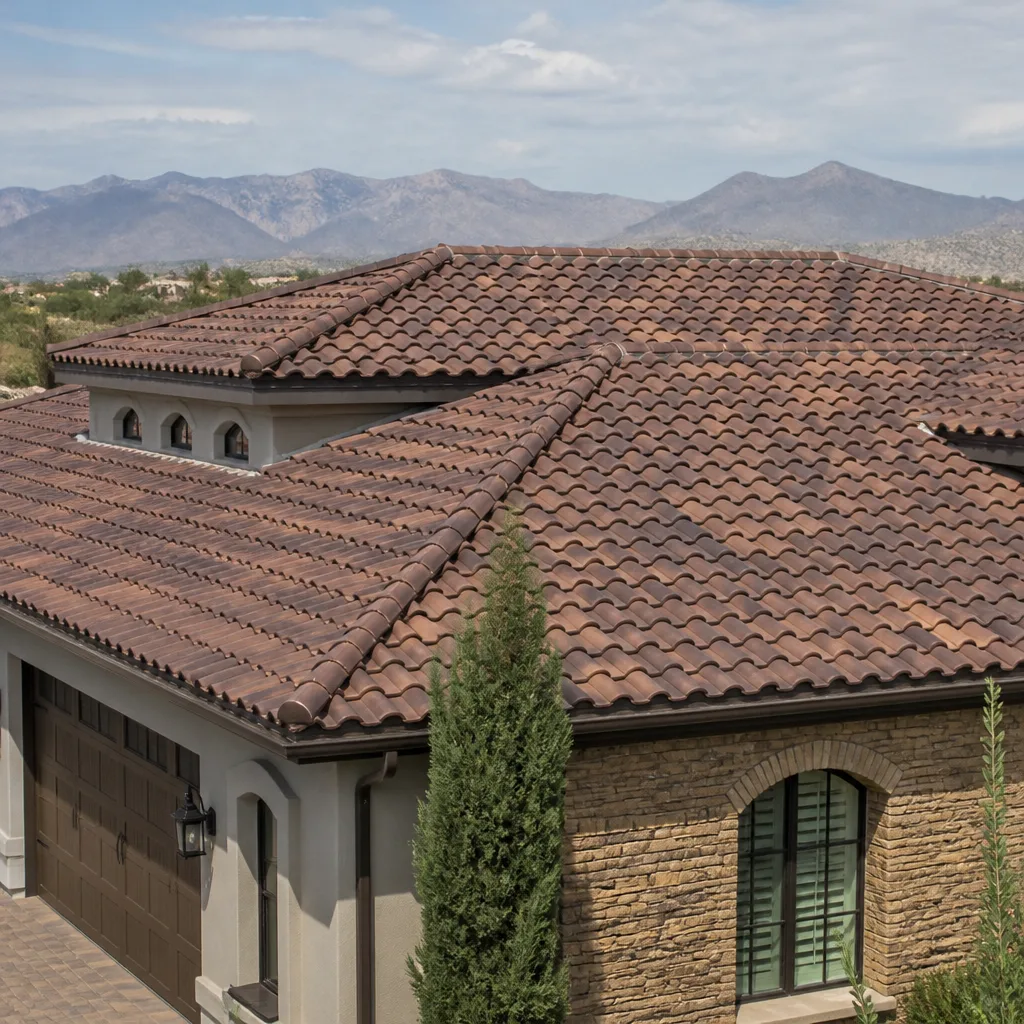 Tile roofing
 GAF
GAF Owens Corning
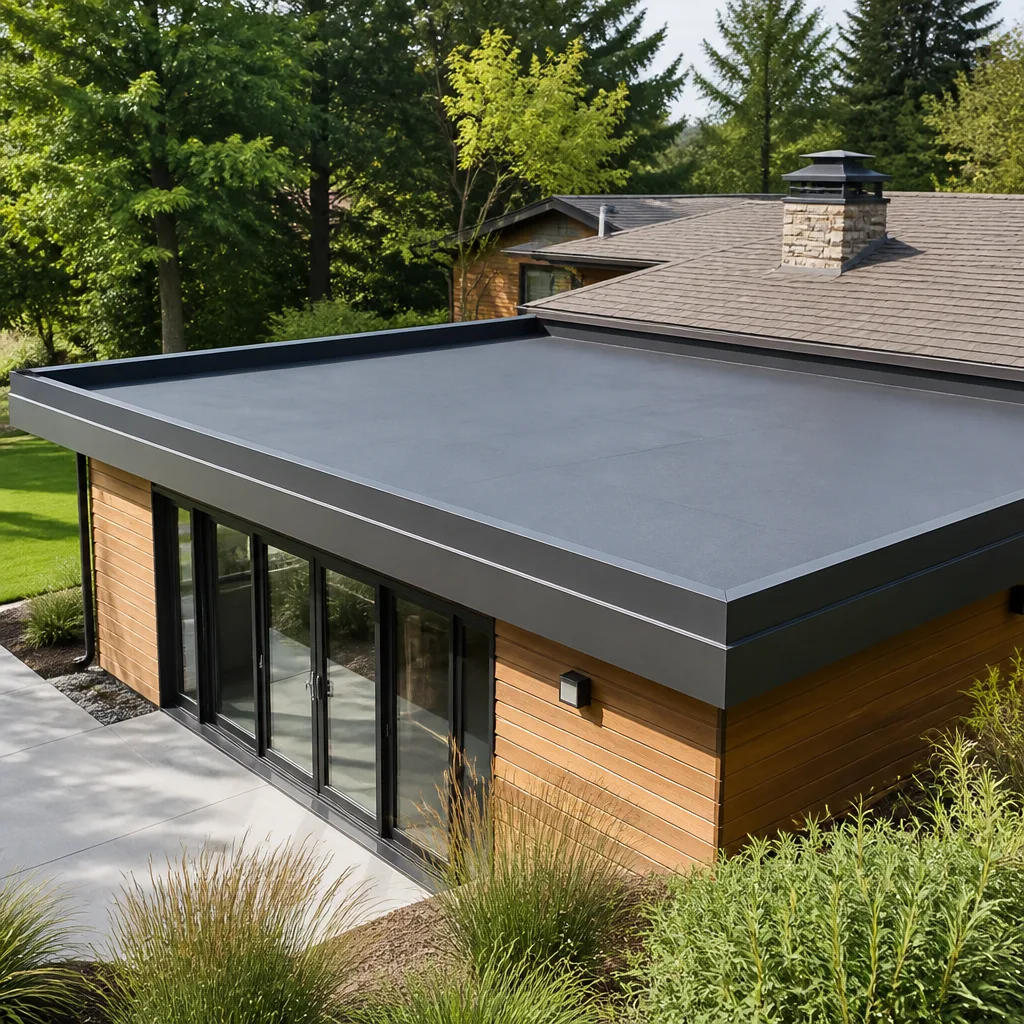 Flat & low-slope
Free roof inspection with deck photos before we talk money - GAF and Owens Corning certified installation
GAF Flashing Replacement: The San Antonio Owner’s Guide
GAF flashing replacement in San Antonio typically runs $350 to $900 installed depending on the flashing type, location, and accessibility, and most jobs are completed in a single visit. If you’ve spotted a water stain creeping across the ceiling after a hard Hill Country rain, or you can see lifted metal at the chimneys or valleys, your GAF roof’s flashing has likely reached the end of its working life. We’ll walk you through what that means for your house, what you’ll pay, and exactly how we’ll protect the inside of your home while we’re on the roof. Erik Lindgren and our crew keep the most common GAF-compatible flashing profiles on the truck, so we can address the problem the first time we show up.
Key takeaways:
- GAF flashing replacement in San Antonio runs roughly $350 to $900 installed for most residential jobs, with a written price before any work starts.
- We stock common GAF-compatible step flashing, pipe boots, and valley flashing on our trucks so most repairs don’t need a second trip.
- Texas sun and storm-driven rain are the two things that age flashing fastest here; we’ll show you exactly where yours failed.
- Every job includes shoe covers, drop cloths, and a photo of the completed clean-up before the crew leaves.
Which GAF Models This Applies To
GAF flashing isn’t a single part. It’s a system of metal transitions that route water off your roof at every change of plane or penetration: chimney bases, skylights, vent pipes, wall intersections, valleys, and eaves. The good news is that GAF flashing products are standardized enough that we can match replacements across the Timberline, Camelot, Grand Sequoia, and Glenwood lines without needing the original shingle’s exact SKU. The flashing itself is matched by profile and material gauge, not by shingle model. That means if your home has Timberline HDZ shingles with original step flashing that’s started to corrode, we replace it with a GAF-compatible or quality-grade galvanized or aluminum equivalent that matches the profile and extends past the water line the same way the original did.
One compatibility gotcha San Antonio homeowners run into: older GAF roofs in neighborhoods like Jefferson and Monticello Park were sometimes flashed with 26-gauge galvanized steel, while newer builds near Cibolo Canyons and Alamo Ranch often use thinner 28-gauge or aluminum. We check the gauge and material on-site because swapping a heavier original for a lighter replacement can lead to premature wear at the bend points, especially where the metal flexes with our temperature swings. As an independent service provider, we’re not affiliated with GAF, but we’ve worked with their material lines alongside Owens Corning, CertainTeed, and others for years. The decision between OEM-labeled GAF flashing and a quality aftermarket equivalent usually comes down to cost and lead time; we’ll give you both options in writing and explain what you’re gaining or giving up with each.
Styles & brands we work with
Signs Your GAF Flashing Replacement Is Failing
- Water stains on ceilings or walls after rain. This is the symptom most San Antonio homeowners notice first. If the stain appears near a chimney, skylight, or exterior wall, the flashing at that transition has likely opened a gap. Tar and caulk patches from previous repairs tend to fail within a couple of years because the metal moves with temperature and the sealant doesn’t.
- Visible rust or corrosion on exposed flashing. Chimney counter-flashing and step flashing take the brunt of our UV exposure. Once rust sets in, the metal thins and pinholes form, and water gets through before you ever see a ceiling stain.
- Lifted or bent flashing after high winds. San Antonio’s spring storm season regularly peels back flashing that was never properly secured. If you can see a gap of daylight between the flashing and the roof surface from the ground, water is getting behind it every time it rains.
- Crumbling or missing caulk at pipe boots and vent stacks. The neoprene or rubber gasket around plumbing vents degrades under Texas sun, and the caulk around the base breaks down. This is one of the most frequent small leaks we fix, and it’s a fast flashing replacement that costs less than the drywall repair if you wait too long.
- Dark streaks or moss at rooflines or valleys. Trapped moisture at valley flashing or drip edges keeps the surrounding decking damp. If you’re seeing discoloration at the lower edges of your roof, water is lingering somewhere it shouldn’t be, and it’s worth having the flashing inspected before rot spreads to the sheathing.
See the difference
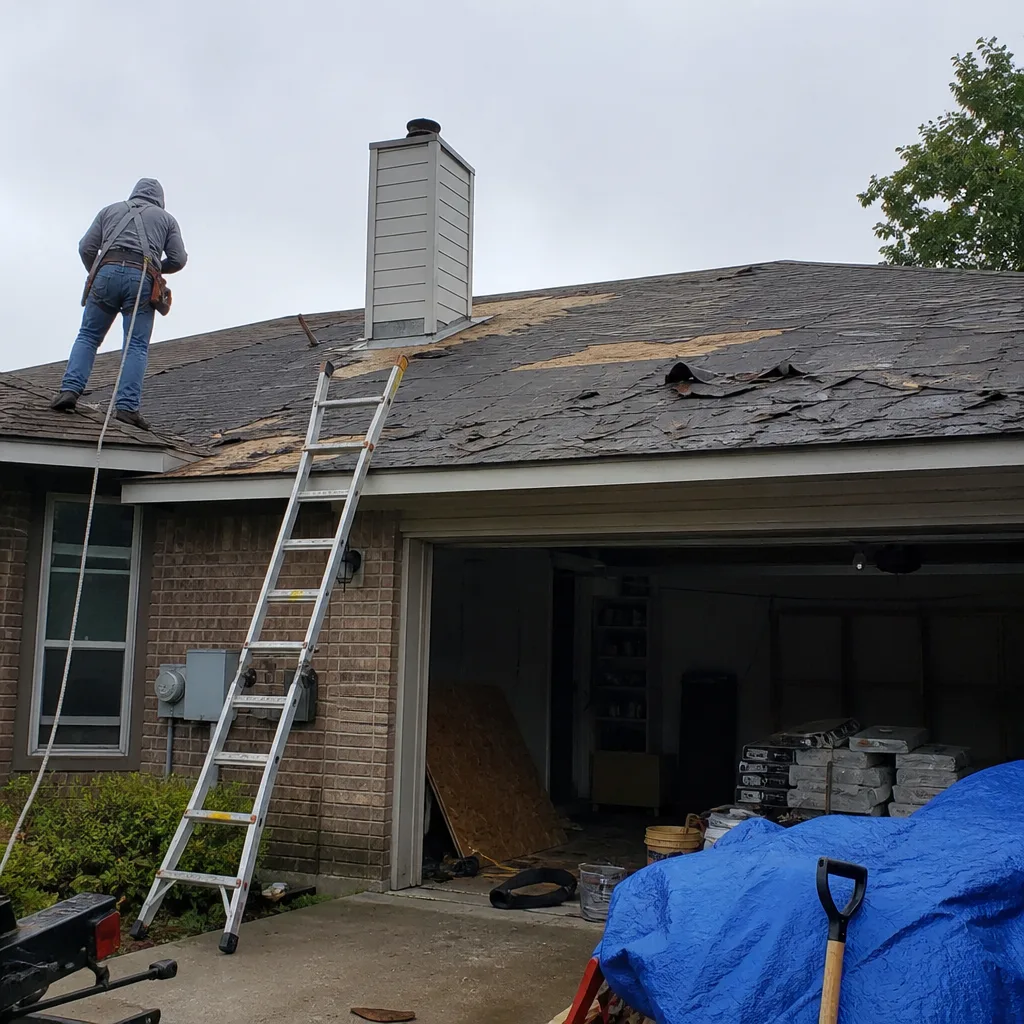 Before
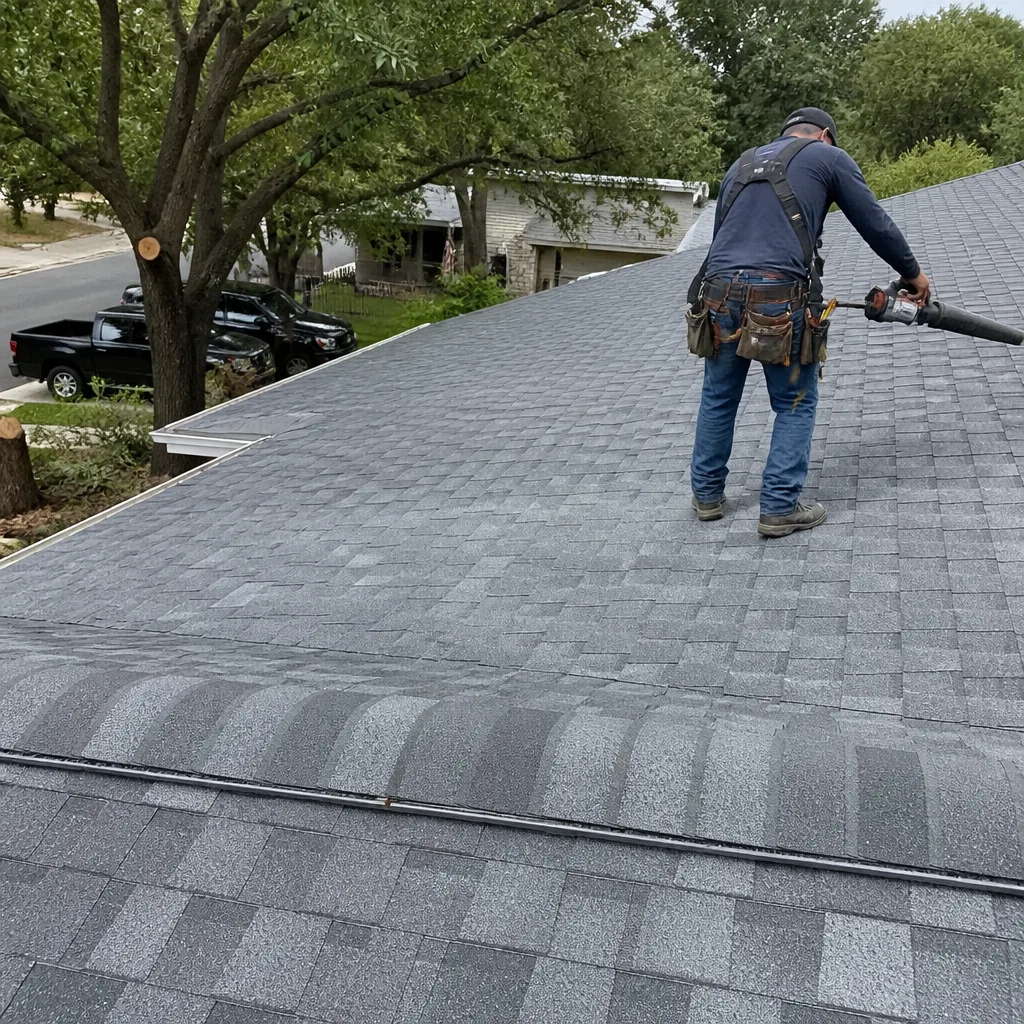 After
After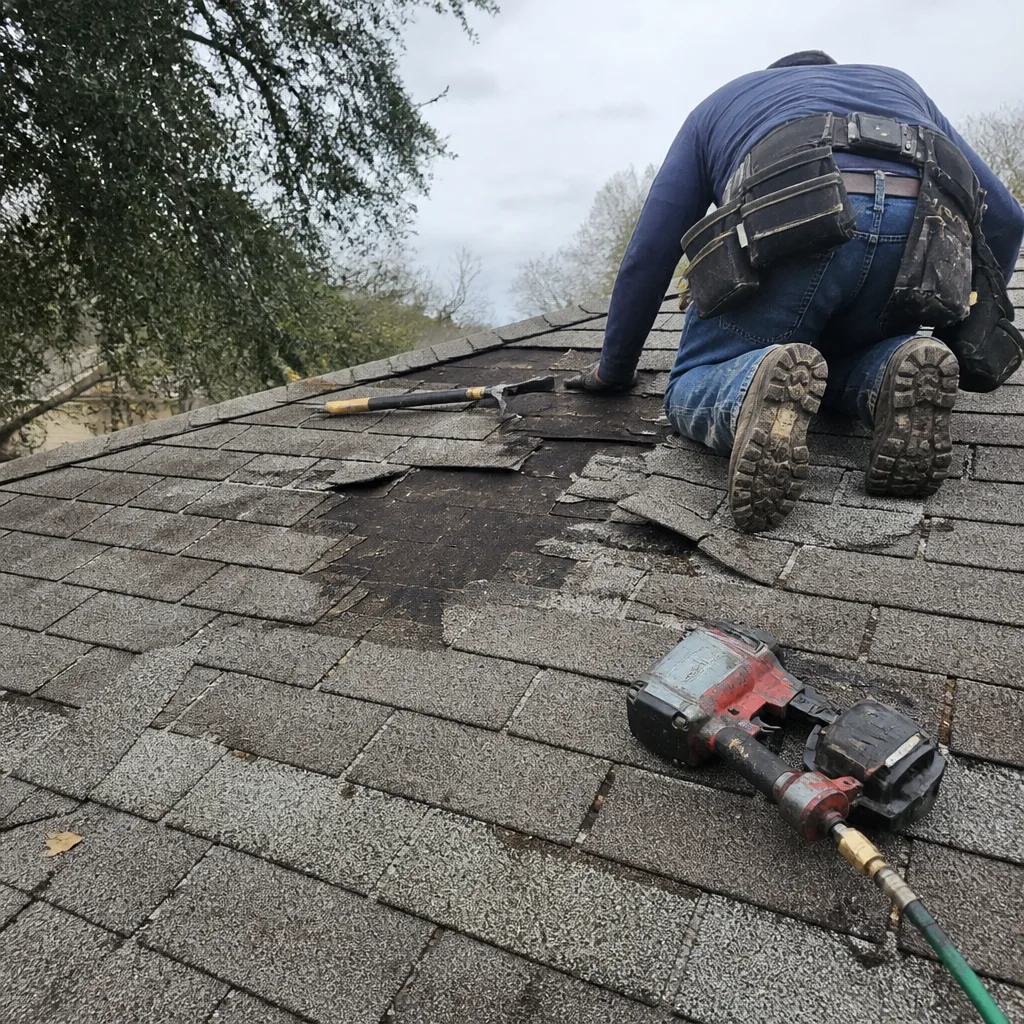 Before
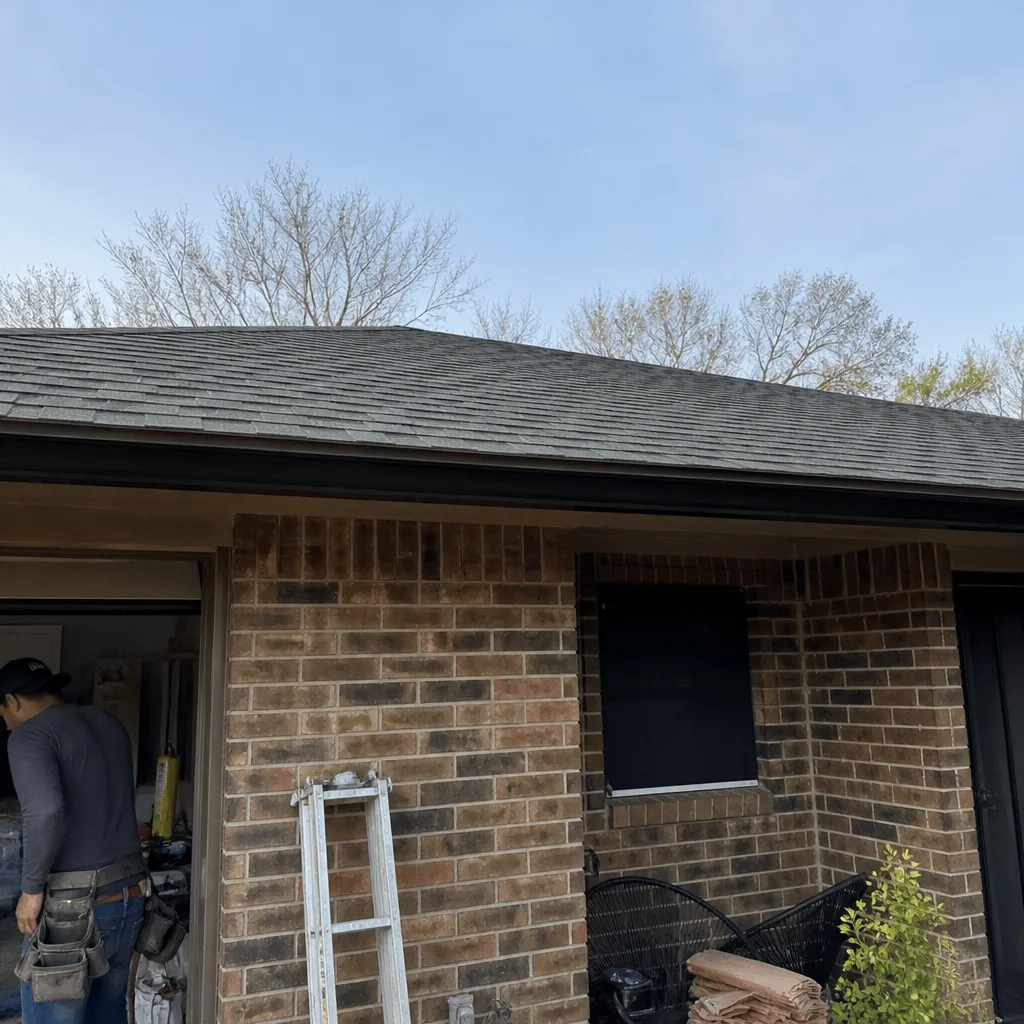 After
After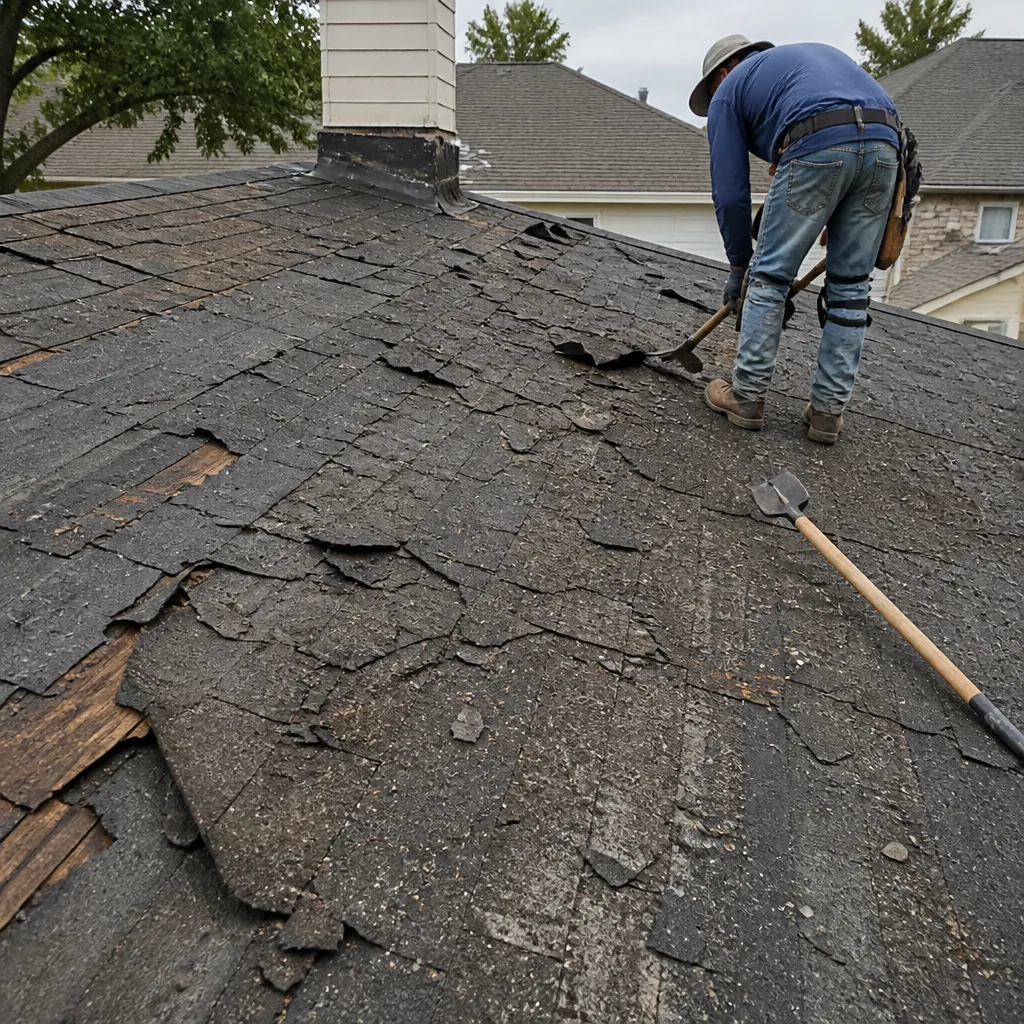 Before
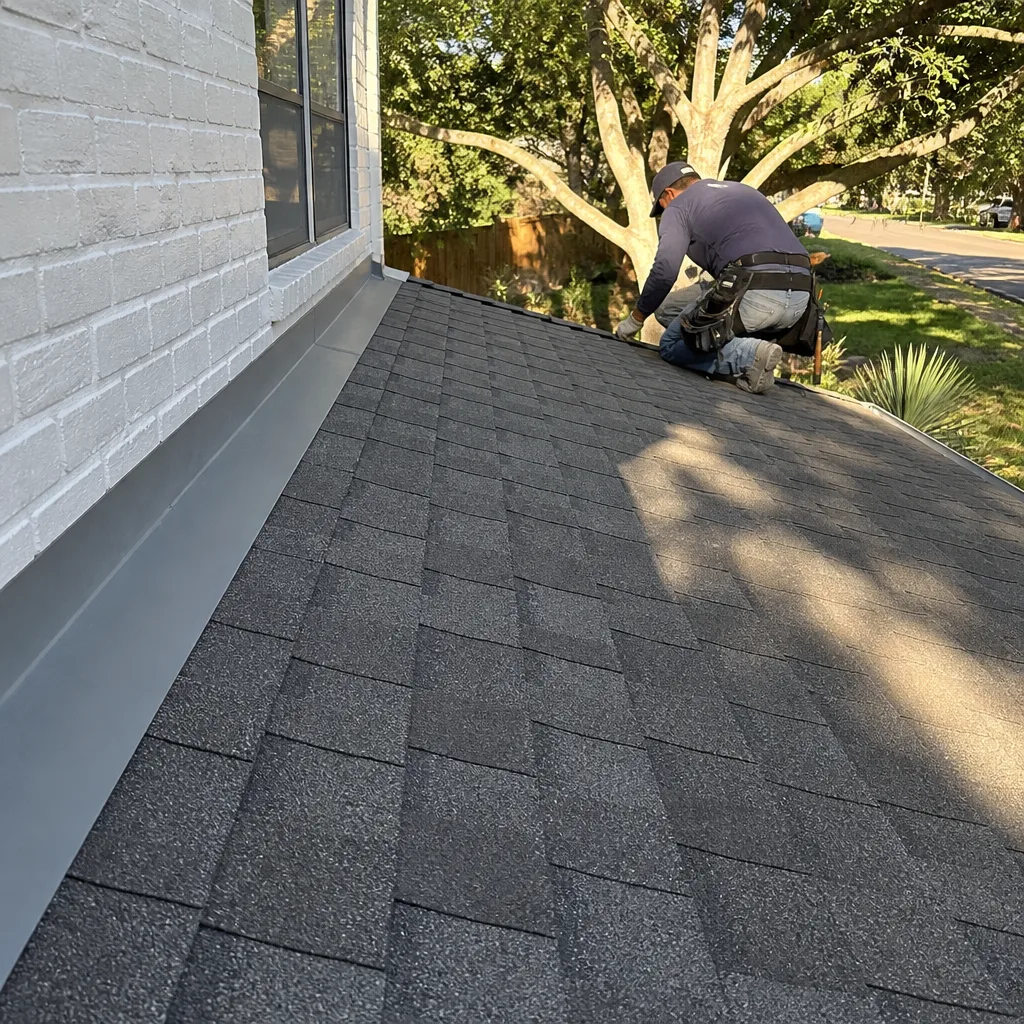 After
AfterReplacement Cost & What’s Included
The installed price for GAF flashing replacement in San Antonio ranges from about $350 for a single pipe boot or small step-flashing repair to $900 for a full chimney re-flashing or valley replacement, including material, labor, and clean-up. What moves the number is mostly access: a single-story roof with a walkable pitch in Alamo Heights costs less to work on than a three-story townhome with a steep slope near the Pearl. The condition of the surrounding shingles matters too. If the decking under the flashing is sound, we replace the flashing and seal the transition. If the decking is soft, we’ll show you a photo, explain what needs to come out, and add that to the written price before any work begins; no surprise numbers at the end, ever.
Most residential flashing replacements of this scope in San Antonio run between $350 and $900. You’ll see your exact number in writing before we start, and that price includes the part, the labor, the sealant, the clean-up, and the photo of the completed job. Our 365-Day Done Right Promise covers every flashing replacement we perform: if it’s not right, we make it right.
DIY or Call Us?
Flashing sits at the exact point where water pressure meets gravity, and the margin for error is measured in millimeters. If you want to inspect your own flashing, that’s reasonable: look from the ground with binoculars for lifted metal, missing caulk, or rust streaks. What we don’t recommend is getting on a ladder with a tube of sealant. Roof pitch, tile slip, and the fact that a fall from even a single-story roof changes lives in an instant are the reasons we send trained, background-checked technicians up there instead of encouraging a weekend fix. Most DIY flashing attempts fail within one to two years because the underlying cause, bad fasteners, missing underlayment, or rotted decking, was never addressed. If you’re in San Antonio and want a straight conversation about what’s actually wrong up there, call (903) 354-7802 and we’ll come take a look.
FAQs
GAF flashing typically lasts 20 to 30 years in San Antonio, but Texas UV exposure and storm-driven rains can reduce that to 15 to 20 years on south-facing slopes and around chimneys that get direct afternoon sun. If your flashing is showing rust or gaps before the 15-year mark, it was likely under-gauge metal or poorly installed originally. Call (903) 354-7802 for an inspection and we’ll tell you what you’re working with.
Small gaps at pipe boots or minor caulk failures can sometimes be resealed, but bent, rusted, or lifted metal flashing generally needs replacement rather than patching. Patch jobs over corroded flashing typically fail within a couple of years because the underlying metal keeps moving and cracking the sealant. For an honest read on whether yours is repairable, call (903) 354-7802; estimates are free.
Most single-penetration flashing replacements, like a pipe boot or a step-flashing repair, take two to four hours from setup to clean-up. A full chimney re-flashing or valley replacement can take the better part of a day depending on access and shingle condition. We’ll give you a time window in writing before we start, and the crew won’t leave until the ground is clear and a clean-up photo is in your hands.
We keep the most common GAF-compatible flashing profiles on our trucks, including step flashing, pipe boots, valley flashing, and drip edge in standard gauges and finishes. If your home needs an unusual profile or a heavier gauge, we source it from our local San Antonio suppliers, with no difference in the written price you approved. Call (903) 354-7802 and we’ll verify what’s on the truck for your roof.
If your ceiling is telling you something about the flashing on your roof, don’t wait for the next storm. Call (903) 354-7802 to schedule a free estimate. We’ll walk every layer of the number with you before a single shingle moves, and we’ll treat the inside of your house the way we’d want ours treated: shoe covers at the door, drop cloths through the hall, and a photo of the clean-up before we head out. A written price and a straight answer, that’s where we start.
Written by Erik Lindgren, Owner, Birchbark Roofing San Antonio at Birchbark Roofing San Antonio, serving San Antonio and nearby areas.