
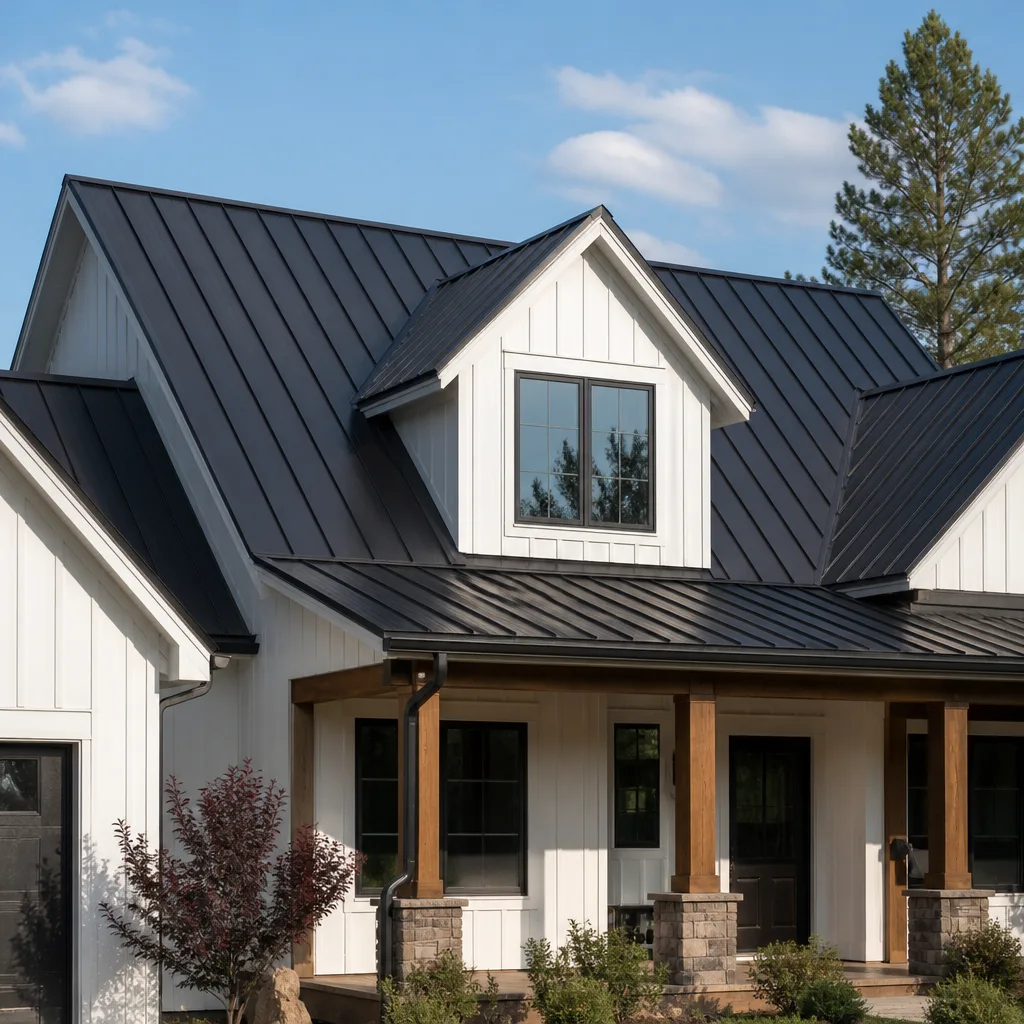
 Metal roofing
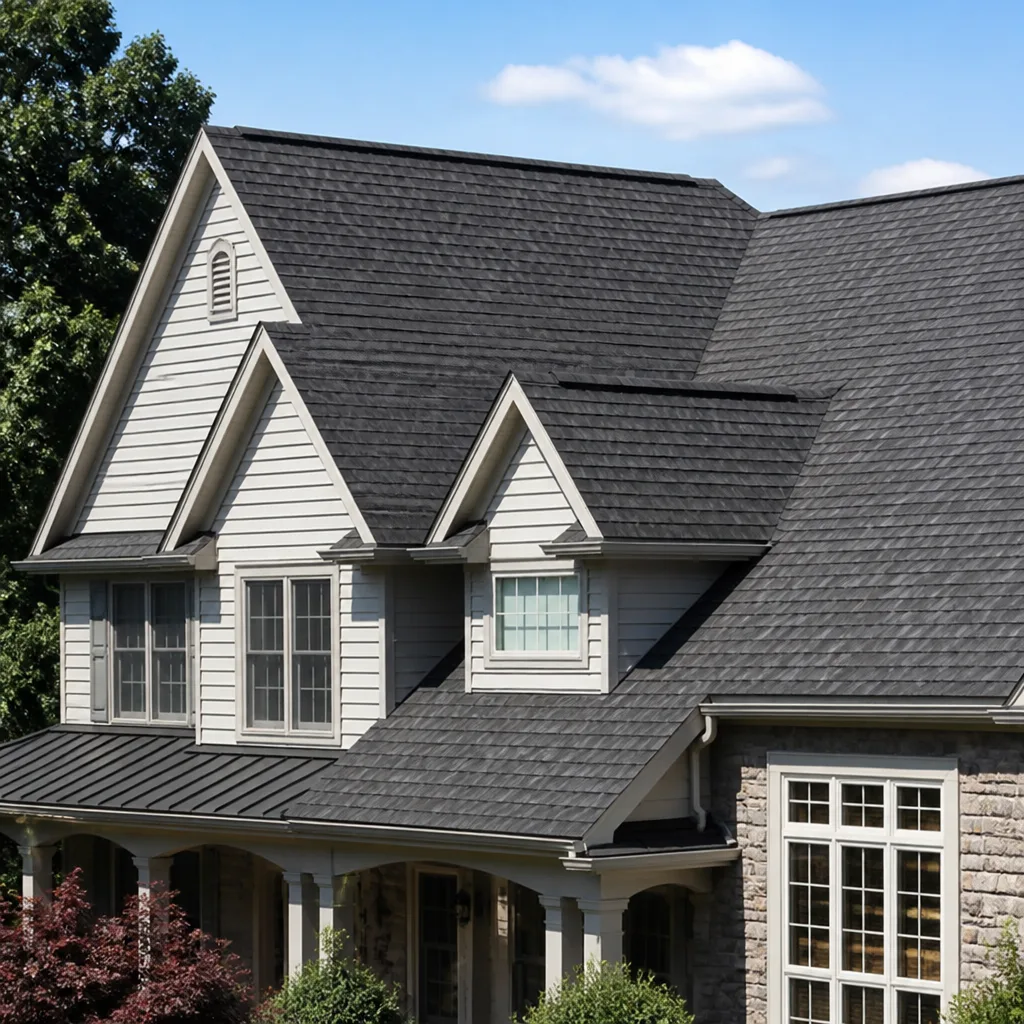 Architectural shingles
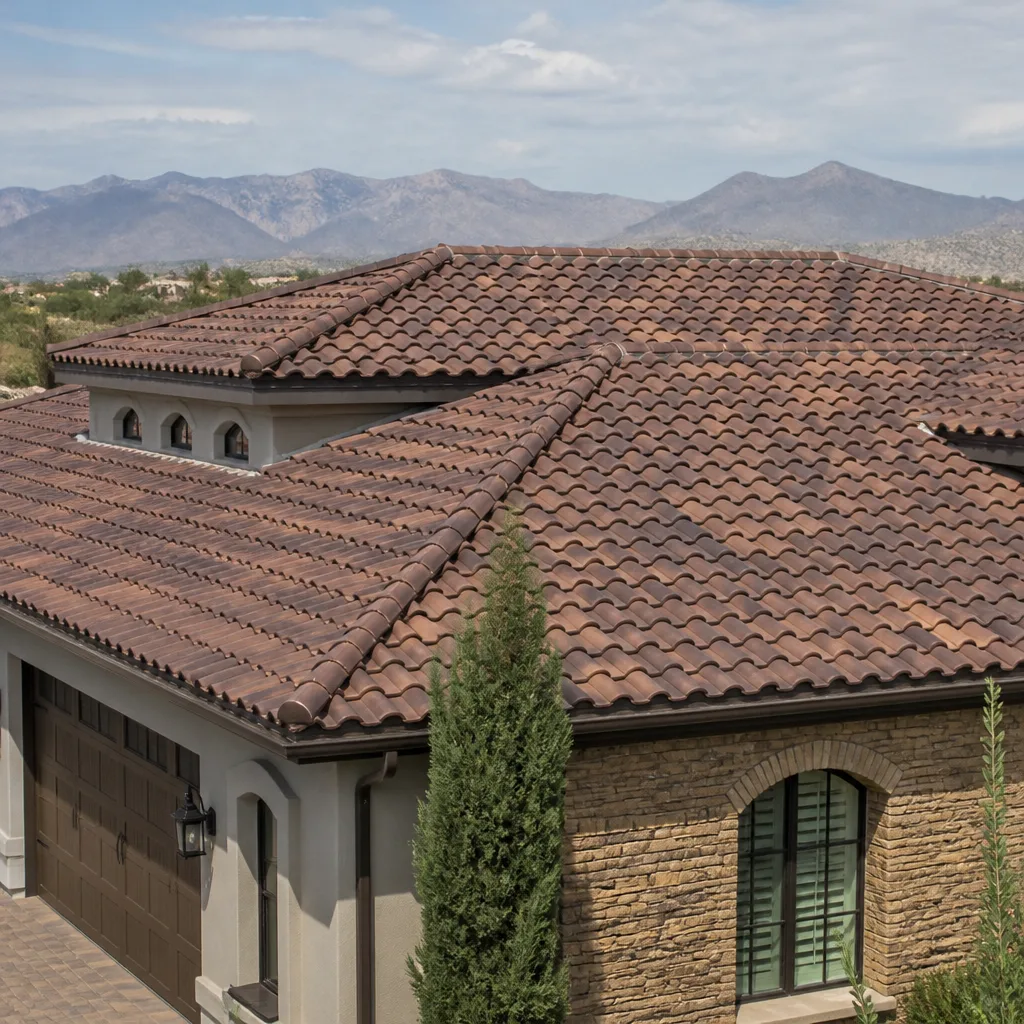 Tile roofing
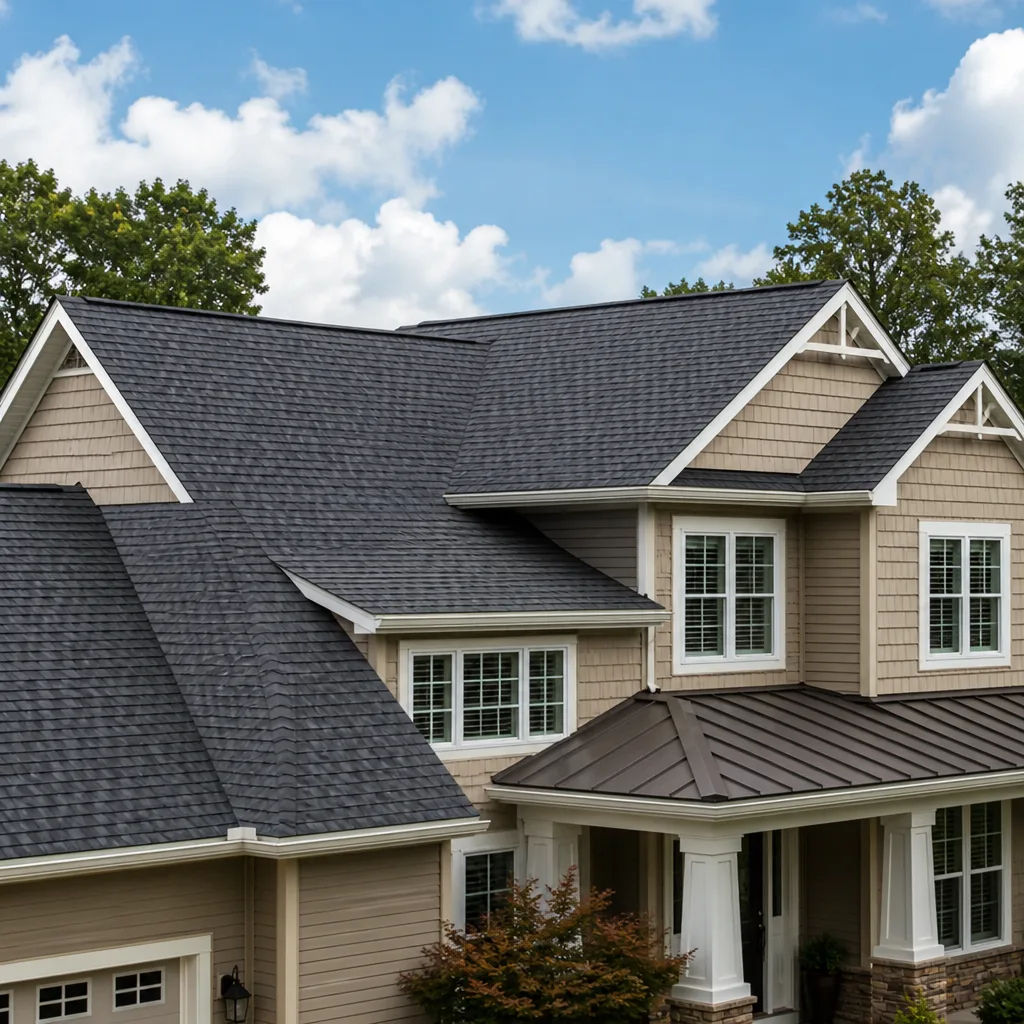 GAF
GAF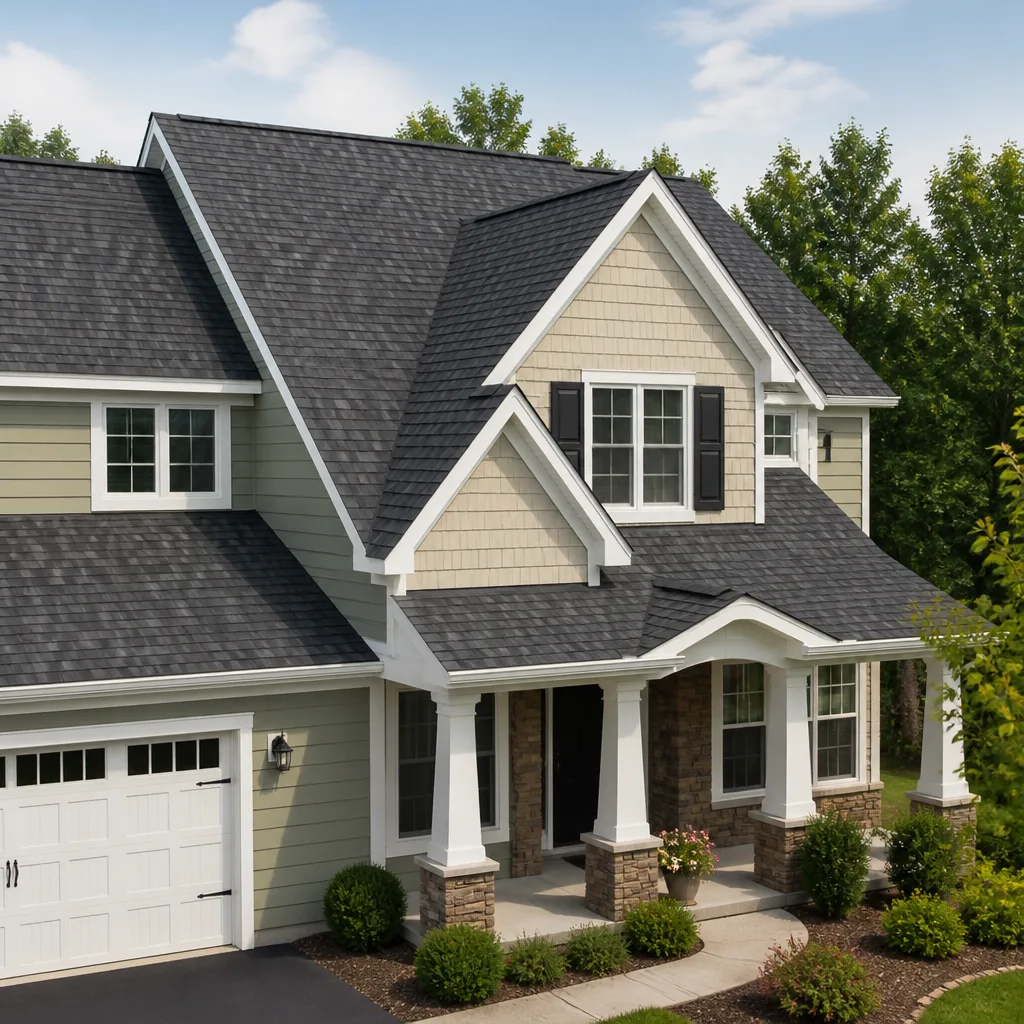 Owens Corning
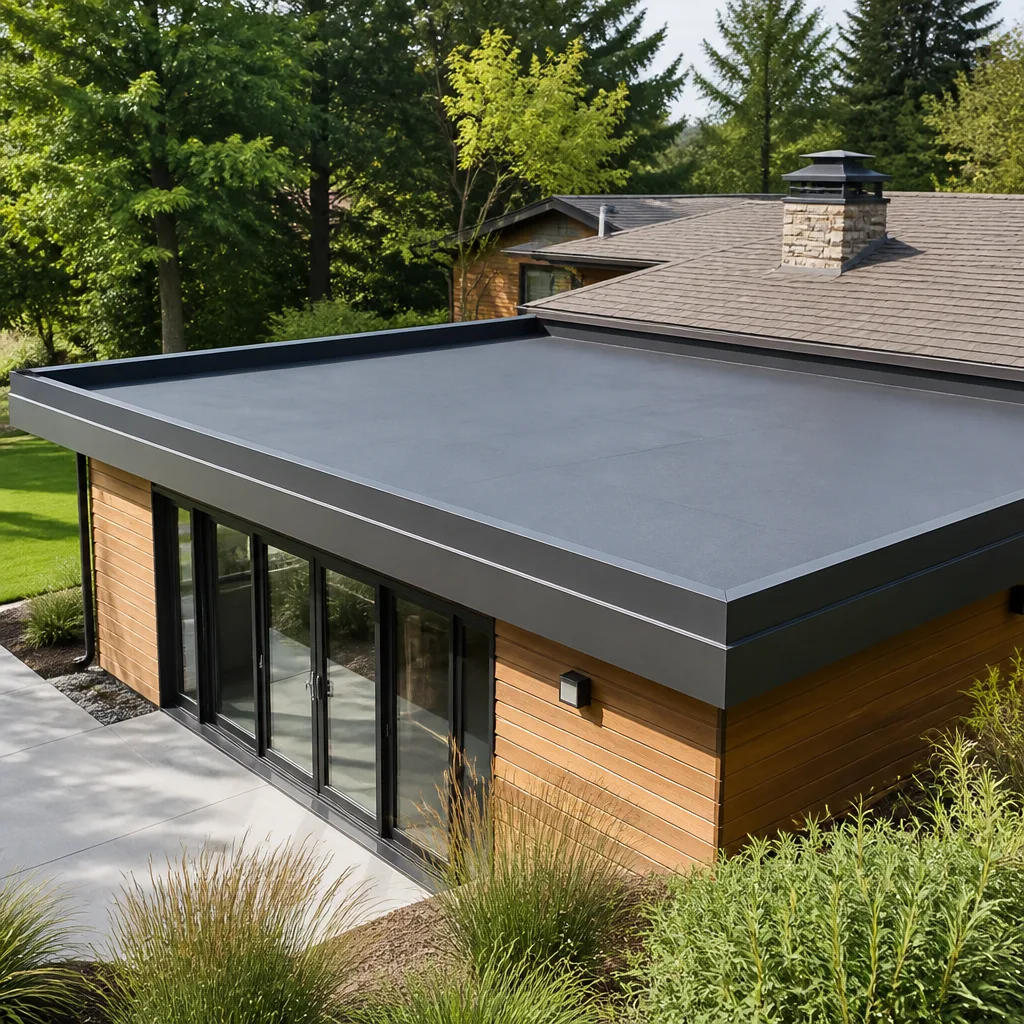 Flat & low-slope
Free roof inspection with deck photos before we talk money - GAF and Owens Corning certified installation
GAF Ridge Vent Installation: The San Antonio Owner’s Guide
GAF ridge vent installation in San Antonio typically costs between $450 and $900 installed, depending on the linear footage, roof pitch, and whether we’re replacing a failed vent or cutting new decking. Most homeowners discover they need this work after a Texas storm season, when they notice granules in the gutter, a musty attic smell, or visible cracking along the plastic vent line at the peak. If your GAF ridge vent has split, buckled, or pulled away from the shingles, we stock the replacement parts on our trucks and can usually complete the swap the same day we inspect it.
Here’s the thing about San Antonio roofs: our heat does things to plastic and asphalt that northern climates never see. A ridge vent that would last 20 years in Ohio can start showing real fatigue at year 12 or 14 here. The UV exposure, the thermal cycling from 100-degree afternoons to 70-degree nights, the occasional hailstorm that cracks the vent cap but not the shingles beneath it. We see it constantly on homes from Alamo Heights to Helotes. The good news is that GAF makes a solid ridge vent product, and when it’s matched correctly to your shingle profile and ventilation requirements, the fix is straightforward.
Which GAF Models This Applies To
When we talk about GAF ridge vents, we’re almost always working with two product lines: the GAF Snow Country Ridge Vent and the GAF Cobra Ridge Vent. The Cobra line is the workhorse for San Antonio homes. It’s a shingle-over plastic vent that runs along the peak and gets covered with your cap shingles, which means it blends into the roofline instead of sticking up as a visible aluminum box. The Snow Country version adds a fabric filter and internal baffle designed for heavy snow, which frankly isn’t the issue in Bexar County, but some builders spec it anyway for its higher net free area per foot.
The compatibility gotcha with GAF ridge vents is this: the vent’s profile has to match the nail line on your cap shingles. If a previous roofer installed a generic aftermarket vent with a different height or nail flange depth, your GAF cap shingles won’t seat correctly, and you’ll get the telltale ridge wobble that lets water in during a driving rain. We’ve corrected that on more than a few re-roofs where the original install looked fine from the ground but was wrong at the peak. When we install, we match OEM GAF vents to GAF shingle systems, and for other brands like Owens Corning or CertainTeed, we match the right equivalent so the nail lines line up the way they should. Birchbark Roofing is an independent service provider, so our recommendation is always based on what’s actually on your roof, not on a manufacturer quota.
Styles & brands we work with
Signs Your GAF Ridge Vent Installation Is Failing
- Cracked or split vent cap visible from the ground. Over time, Texas UV bakes the plastic until it gets brittle. Once you can see a visible crack line running along the peak from the yard, water has a direct path into your attic during the next storm.
- Warped or wavy ridge line. The vent has pulled away from the decking in sections, usually because the original nails were overdriven or spaced too far apart. The vent needs to lie flat and tight under the cap shingles to shed water.
- Attic temperature climbing noticeably in summer. A collapsed or crushed vent section stops airflow before it starts. If your AC bill jumped in July and the attic feels like a furnace, the ridge vent may have failed even though it looks fine from the street.
- Granules piling up at the ridge after a storm. The vent edge is catching shingle edges and working them loose. You’ll see the wear first where the cap shingles overlap the vent flange.
- Musty smell or visible moisture on attic rafters. This is the late-stage symptom. By the time you smell mildew, the failed vent has been letting in wind-driven rain long enough to saturate insulation or decking in spots.
See the difference
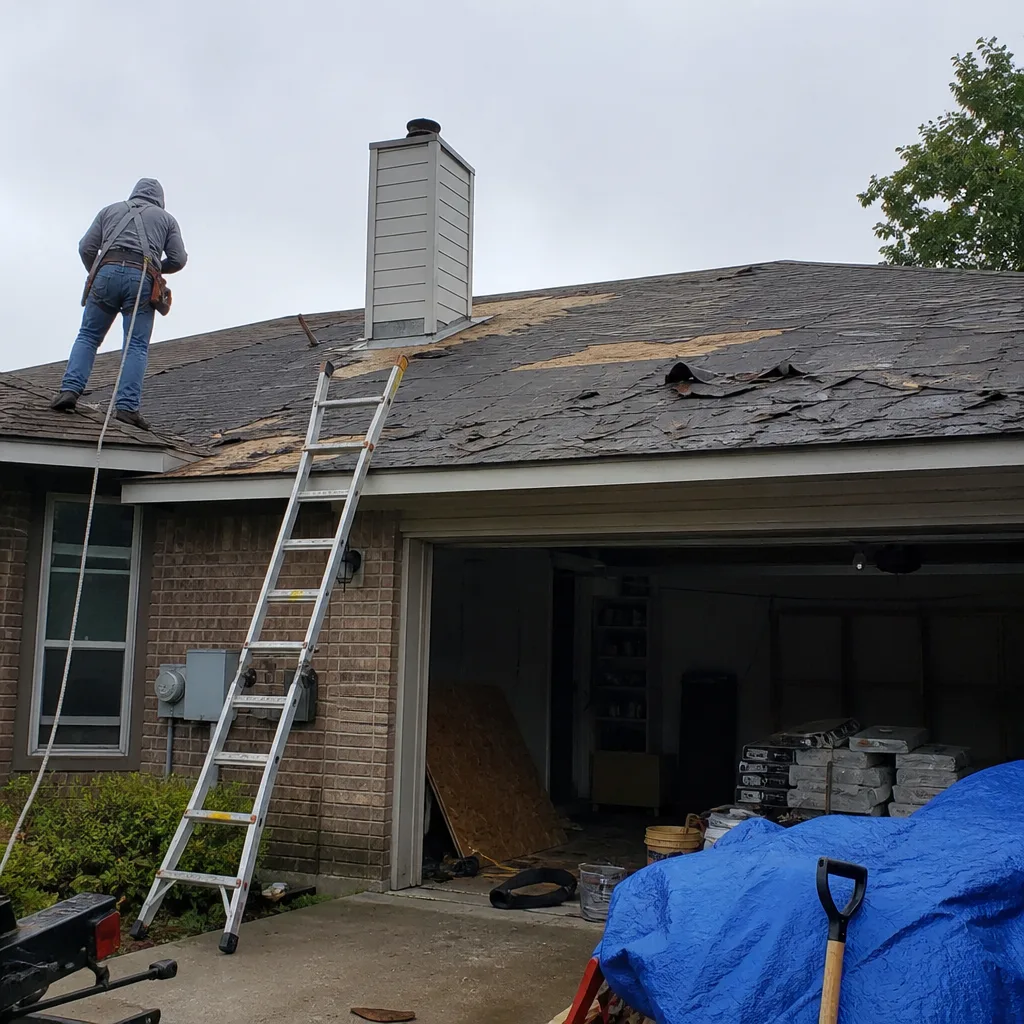 Before
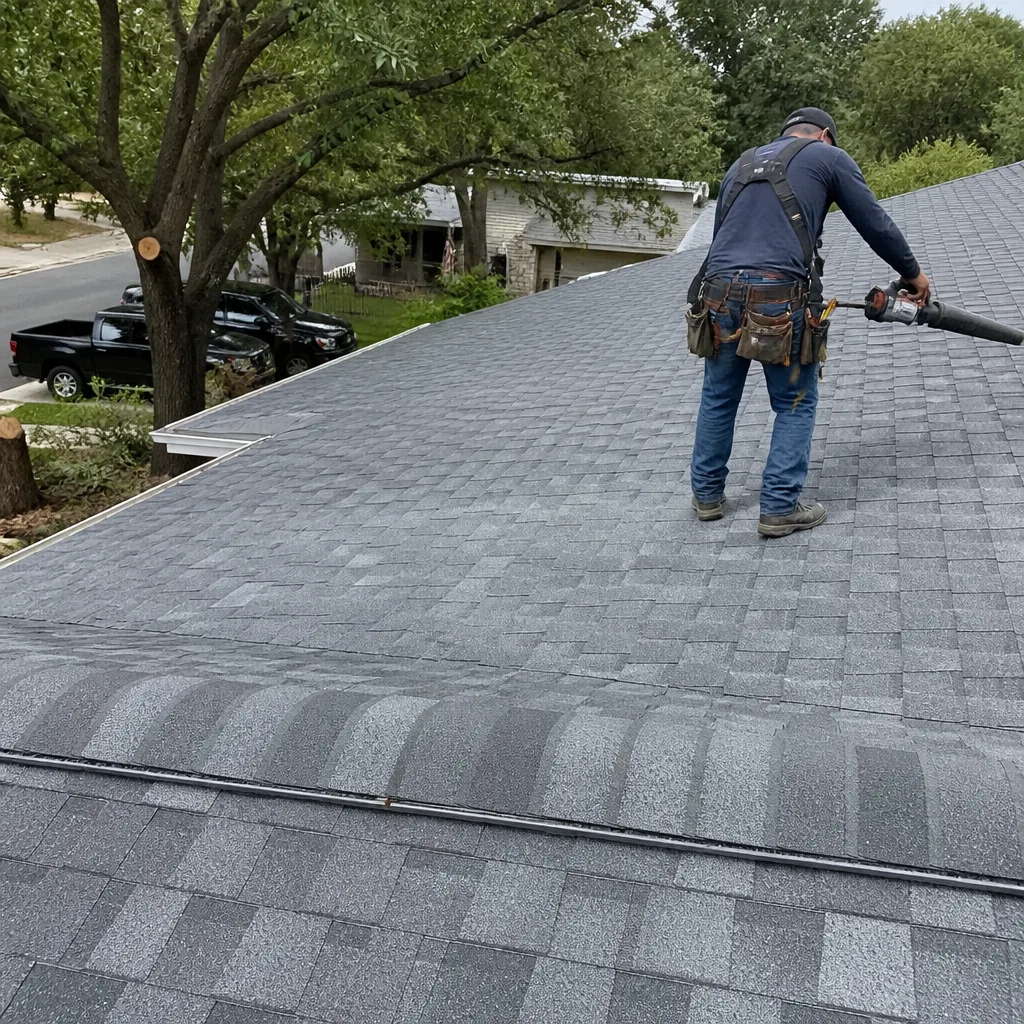 After
After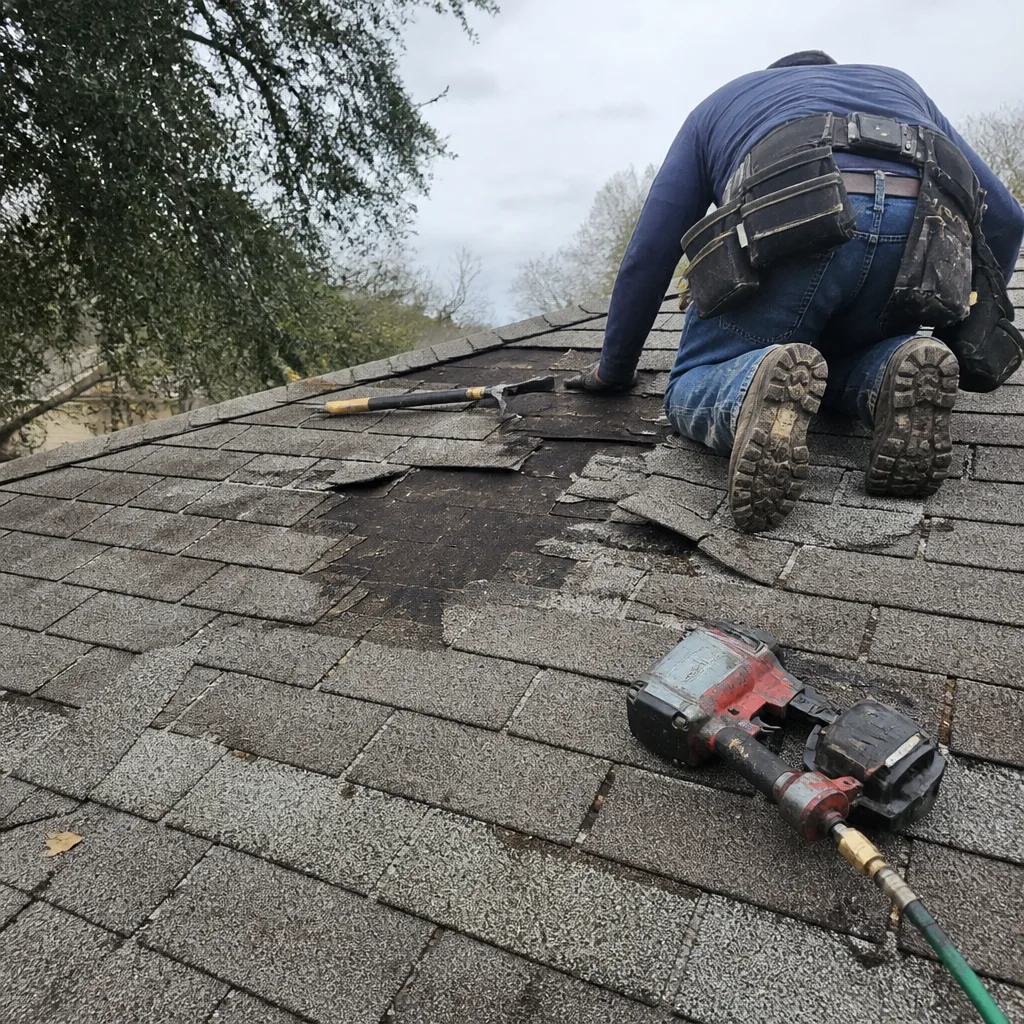 Before
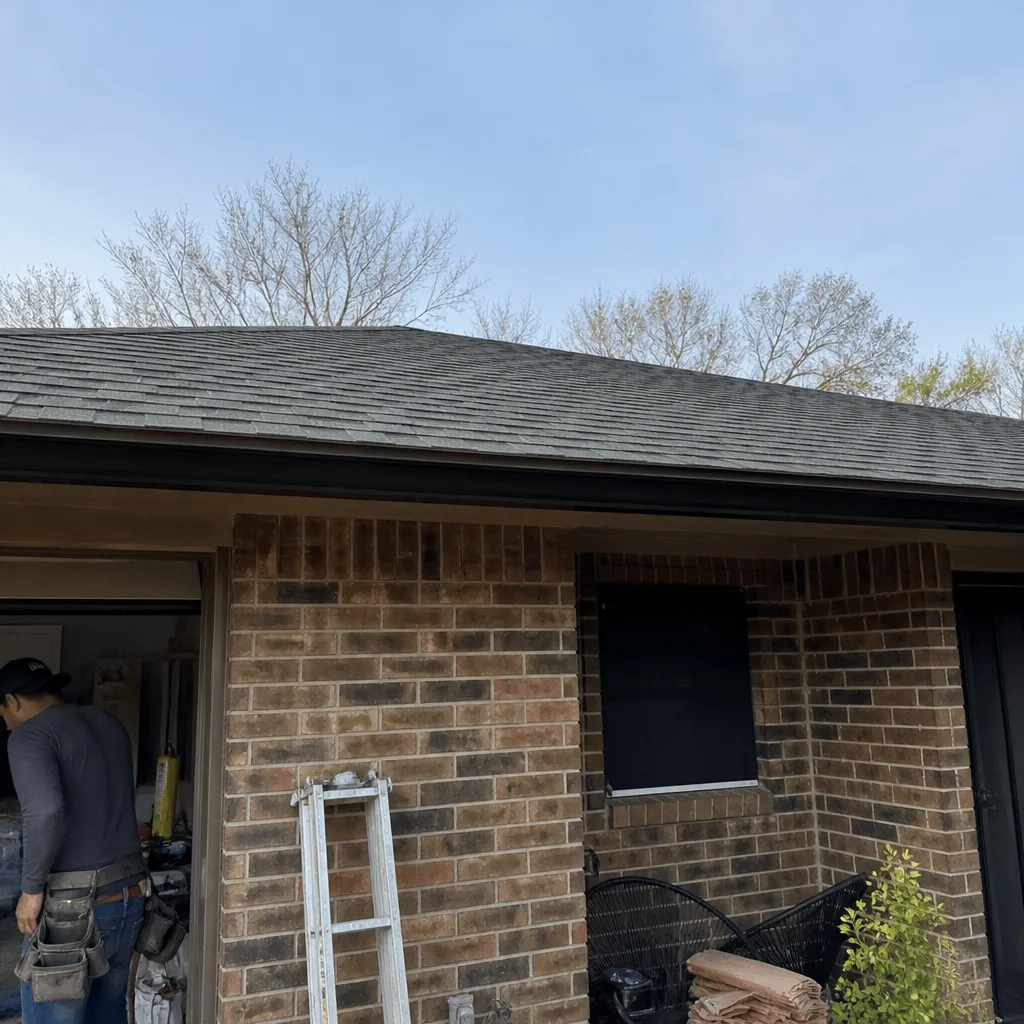 After
After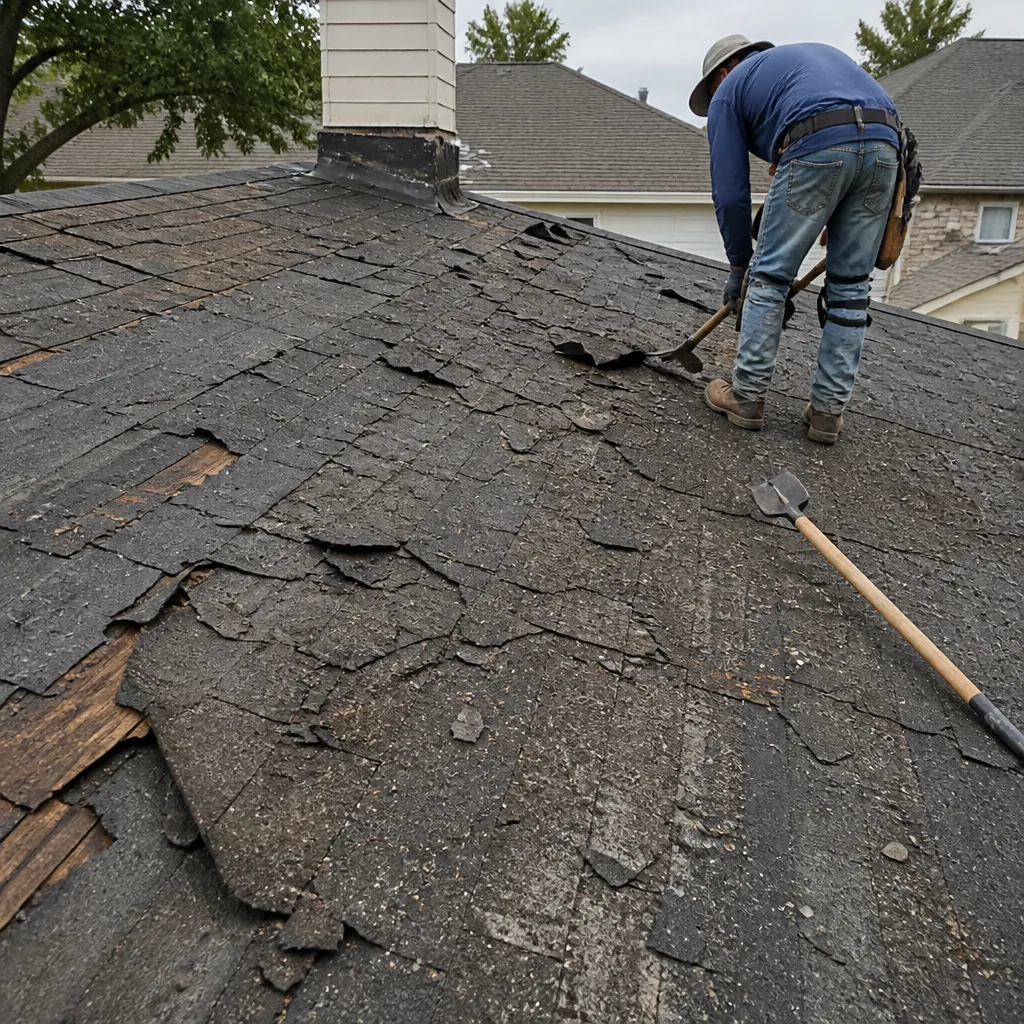 Before
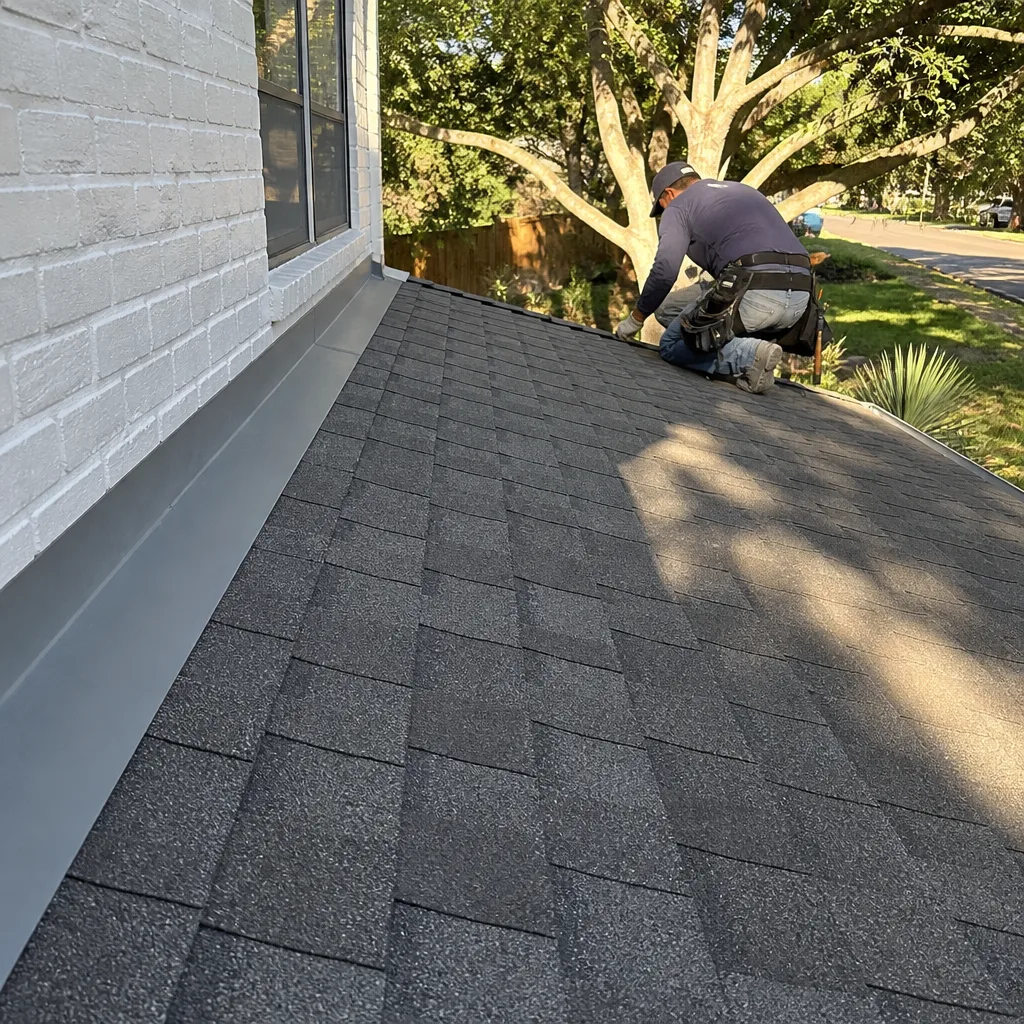 After
AfterReplacement Cost & What’s Included
For most single-story San Antonio homes, GAF ridge vent replacement runs between $450 and $900 installed. That range covers removal of the failed vent, inspection of the underlying decking for rot or nail fatigue, installation of the new GAF-compatible vent matched to your shingle profile, new cap shingles, and full cleanup.
What drives the price up: two-story roof access, a steep pitch that needs extra safety setup, roof length beyond about 40 feet of ridge, or decking that has to be replaced because the old vent leaked long enough to rot the wood underneath. What keeps it lower: a simple one-story ranch with a short ridge and easy access. We don’t do vague estimates. You get a written price in dollars before any work starts, and that price includes the parts, the labor, the dump fee, and the shoe covers and drop cloths we use while we’re inside your home fetching attic access. No surprises, no change orders, no handshake math at the end of the day. Erik Lindgren is the kind of roofer who will walk you through every layer of the estimate before a single shingle comes off, because a written price and a straight answer, that’s where we start. Every ridge vent job carries our 365-Day Done Right Promise.
DIY or Call Us?
There are a few things a homeowner can safely check from the ground: visible cracking along the ridge, missing cap shingles, or a vent section that’s clearly lifted. If you’re comfortable on a ladder, you can look for loose nails or daylight gaps at the peak, but we recommend against walking the ridge yourself, especially after rain when the granules are slick.
Here’s where DIY goes wrong: ridge vents sit at the highest, steepest point of the roofline, and working there means balancing on the peak while handling a 4-foot plastic vent section in the wind. The fall risk is real, and so is the water-intrusion risk if the vent isn’t nail-lined and sealed correctly. GAF’s installation specs call for precise nail placement and cap shingle overhang; get it wrong and your “fix” becomes a leak you won’t see until the next storm. If you’ve got a failed GAF ridge vent in San Antonio, call (903) 354-7802, and we’ll send a background-checked, uniformed technician to take a look. The inspection and the estimate are free.
FAQs
A properly installed GAF ridge vent typically lasts 15 to 20 years in the San Antonio climate, though UV exposure and hail can shorten that to 12 to 15 years on roofs with full western sun exposure. If your vent is cracking before year 10, the installation was likely the problem, not the product. Call (903) 354-7802 and we’ll tell you honestly whether it’s repairable or needs full replacement.
A short crack or a single lifted section can sometimes be spot-repaired if the surrounding vent material is still flexible and the decking underneath is dry. But most San Antonio failures involve widespread UV brittleness, which means patching one section just moves the problem to the next weak spot. We’ll show you what we find and give you a written price either way before any work starts.
A standard GAF ridge vent replacement on a single-story San Antonio home takes one crew about three to five hours from setup to final cleanup. That includes removal of the old vent, decking inspection, new vent installation, cap shingle replacement, and a photo of the completed clean-up before we leave.
Yes. Our trucks carry GAF Cobra ridge vents in the standard 4-foot sections, along with matching cap shingles and the correct fasteners for San Antonio wind zone requirements. If your roof needs a non-standard vent profile or a Snow Country spec, we can typically have it in hand within one business day.
Written by Erik Lindgren, Owner, Birchbark Roofing San Antonio at Birchbark Roofing San Antonio, serving San Antonio and nearby areas.