
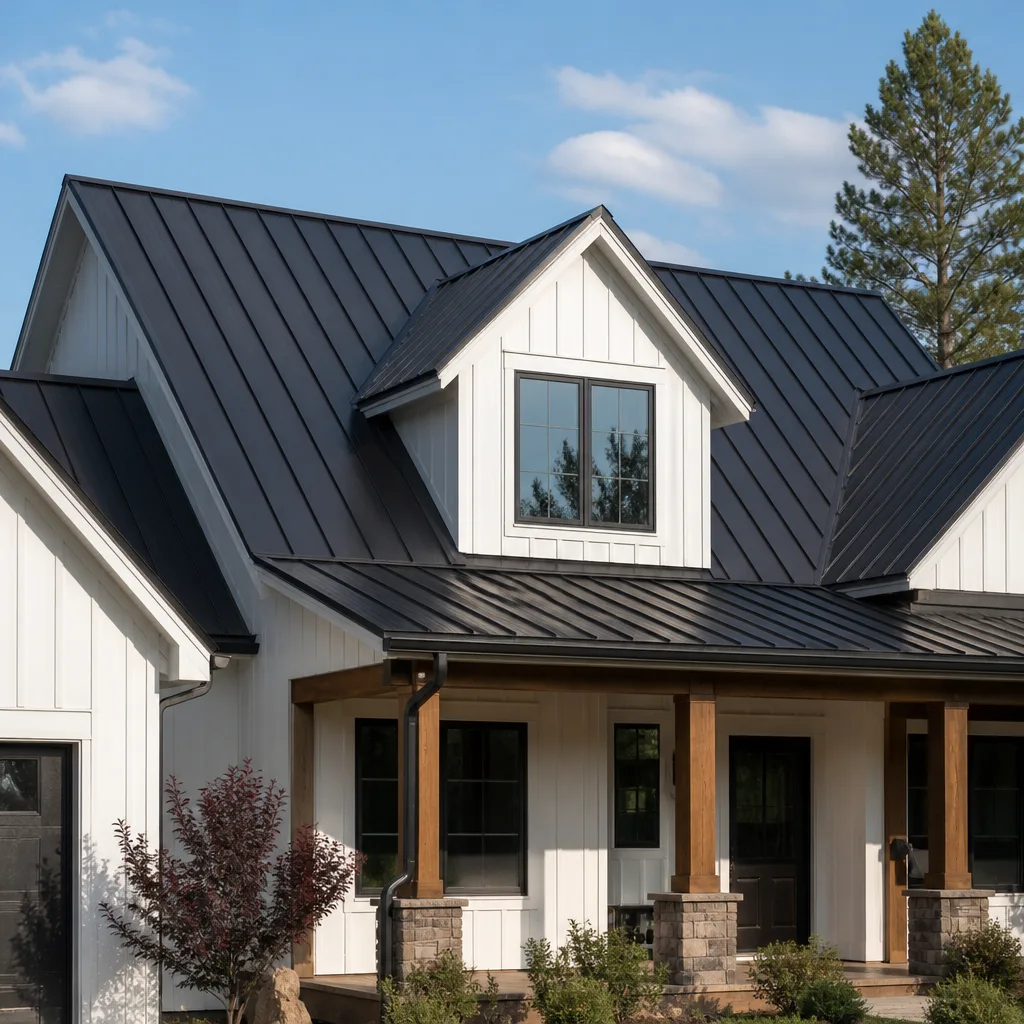
 Metal roofing
 Architectural shingles
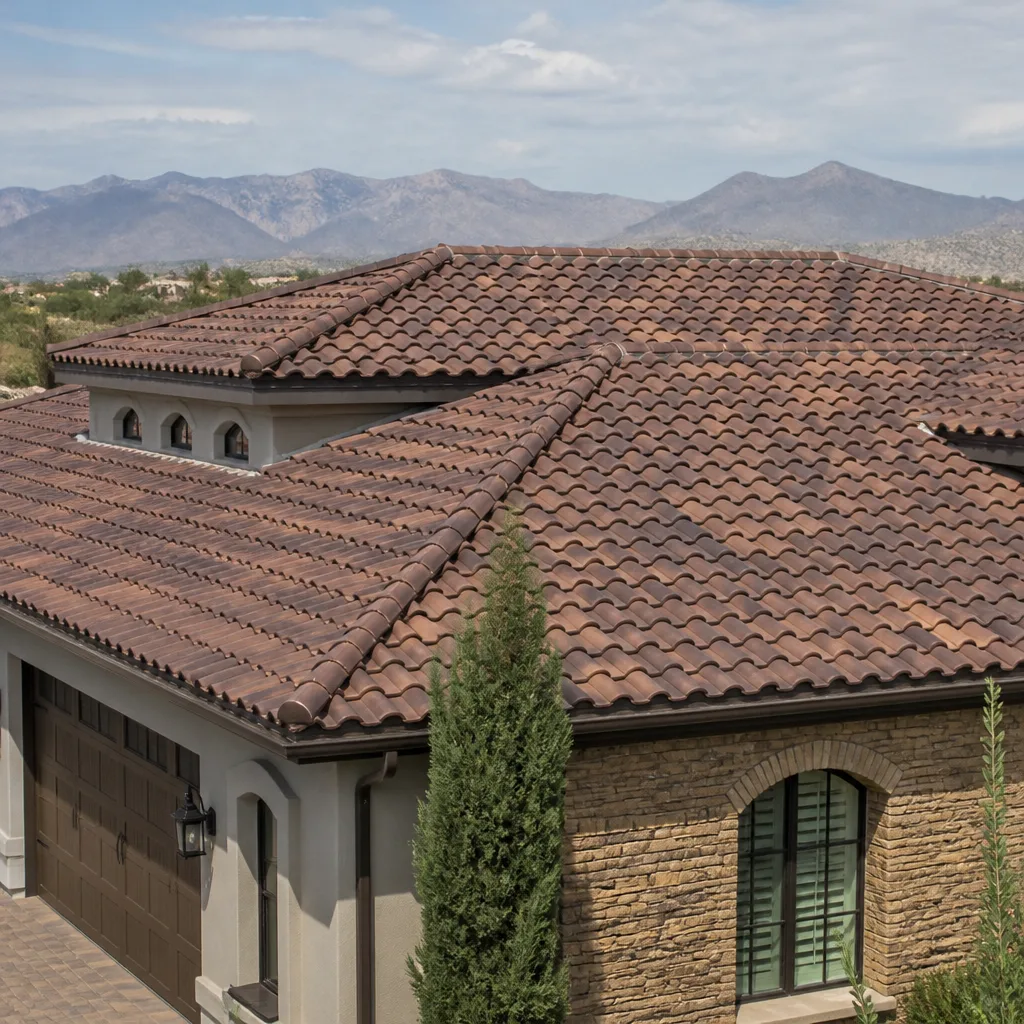 Tile roofing
 GAF
GAF Owens Corning
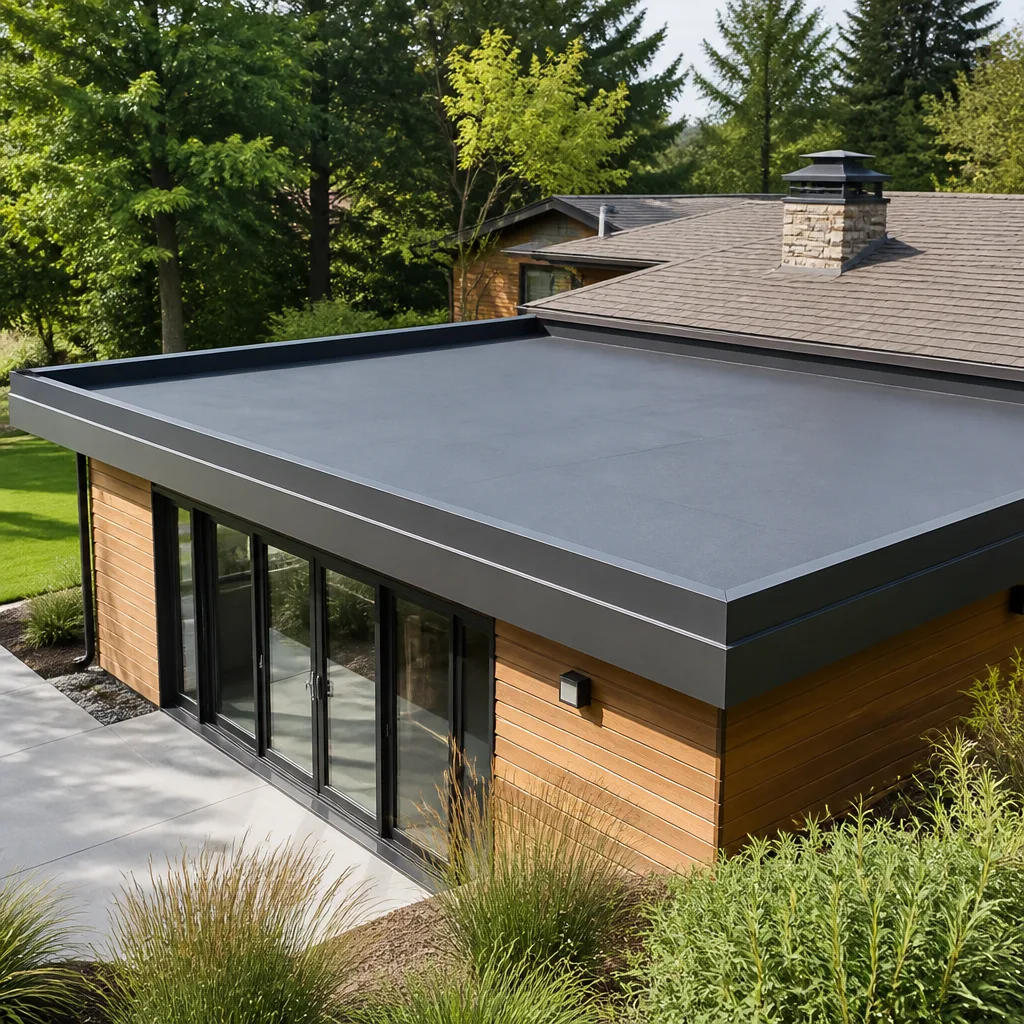 Flat & low-slope
Free roof inspection with deck photos before we talk money - GAF and Owens Corning certified installation
IKO Ridge Vent Installation: The San Antonio Owner’s Guide
Most IKO ridge vent installations in San Antonio run between $425 and $780 for a standard single-story home when we handle the full swap, parts and labor included. We stock IKO-compatible ridge vent on the truck for most common roof pitches, so the work is usually done in one visit. The way most homeowners find us: they spot shingle granules in the gutter, notice a musty smell in the attic, or see daylight through the ridge line from inside the attic and realize the vent is no longer doing its job of letting the roof breathe.
San Antonio summers push attic temperatures past 140 degrees, and that heat doesn’t just wear out shingles. It bakes the plastic in ridge vent until it gets brittle, then the first good gust off the Hill Country snaps a section and leaves the attic mouth open to rain, wasps, and anything else that finds its way in. Erik Lindgren has pulled apart enough of these to know exactly which IKO parts fail first and what it takes to get them matched correctly.
Key takeaways:
- IKO ridge vent replacement in San Antonio typically lands between $425 and $780 installed
- Written price before any work starts, always
- We stock the parts on the truck for most IKO roof pitches
- 365-Day Done Right Promise covers the work, not just the part
Which IKO Models This Applies To
We work with IKO’s full ridge vent line, including the IKO Northgate, Marathon, Cambridge, and Dynasty shingle families, but the vent itself is the part that matters here. IKO ridge vent is a rolled, baffle-style passive vent that sits along the roof peak under a cap shingle, and the sizing on it is specific. IKO’s standard ridge vent rolls come in 20-foot lengths with a 10.5-inch and 11.5-inch width options, and the width matters more than most people expect. A too-narrow vent on a steep San Antonio roof slope won’t move enough air, and a too-wide one will let wind-driven rain push past the baffle into the attic in spring storms.
Here’s the compatibility gotcha most homeowners run into: the IKO ridge vent has to match the roof’s Net Free Vent Area rating, which is determined by how much soffit intake you’ve got pulling air in from below. If you’ve closed off soffit vents during a remodel or had insulation blown in over them, no ridge vent on earth will vent properly, IKO or otherwise. We check that before we quote. On the OEM-versus-aftermarket question, we prefer genuine IKO vent when we’re matching an existing IKO roof, because the baffle profile sits flush with IKO cap shingles and the warranty language stays clean. We do carry a quality aftermarket equivalent for older IKO roofs where exact OEM matching isn’t possible, and we’ll show you both prices in writing before you decide.
Birchbark Roofing San Antonio is an independent roofing contractor. We install IKO ridge vent parts every week, but we’re not affiliated with IKO and we don’t pretend to be. We’re just the crew that knows how to make their parts survive a Texas summer.
Styles & brands we work with
Signs Your IKO Ridge Vent Installation Is Failing
- Attic smells like damp cardboard after a rain. This usually means the baffle is cracked or a section of vent has shifted and rain is getting driven into the attic instead of running off. You’ll notice it first on the side of the house that catches the prevailing wind.
- You can see daylight through the ridge from inside the attic. Ridge vent is designed to let air pass, not to show you a straight line of light all the way along the peak. A visible gap means a section has buckled or a cap shingle has lifted.
- Shingle granules collecting in the gutter directly below the ridge line. Since 1980-some, San Antonio roofs shed granules as they age, but granule buildup exactly along the ridge means the cap shingles over the vent are wearing out and exposing the vent itself to direct sun.
- Paper wasps entering around the peak slits in early summer. Wasp entry at the ridge usually means the vent’s end caps or baffle screens are missing or pulled loose. Wasps are patient carpenters; they’ll find a quarter-inch opening a human never sees.
- Upstairs rooms run noticeably hotter than they used to. A blocked or collapsed ridge vent doesn’t just stop working, it traps heat that used to escape. In an Alamo Heights bungalow, five degrees upstairs in August is our classic first cue that the vent needs attention.
See the difference
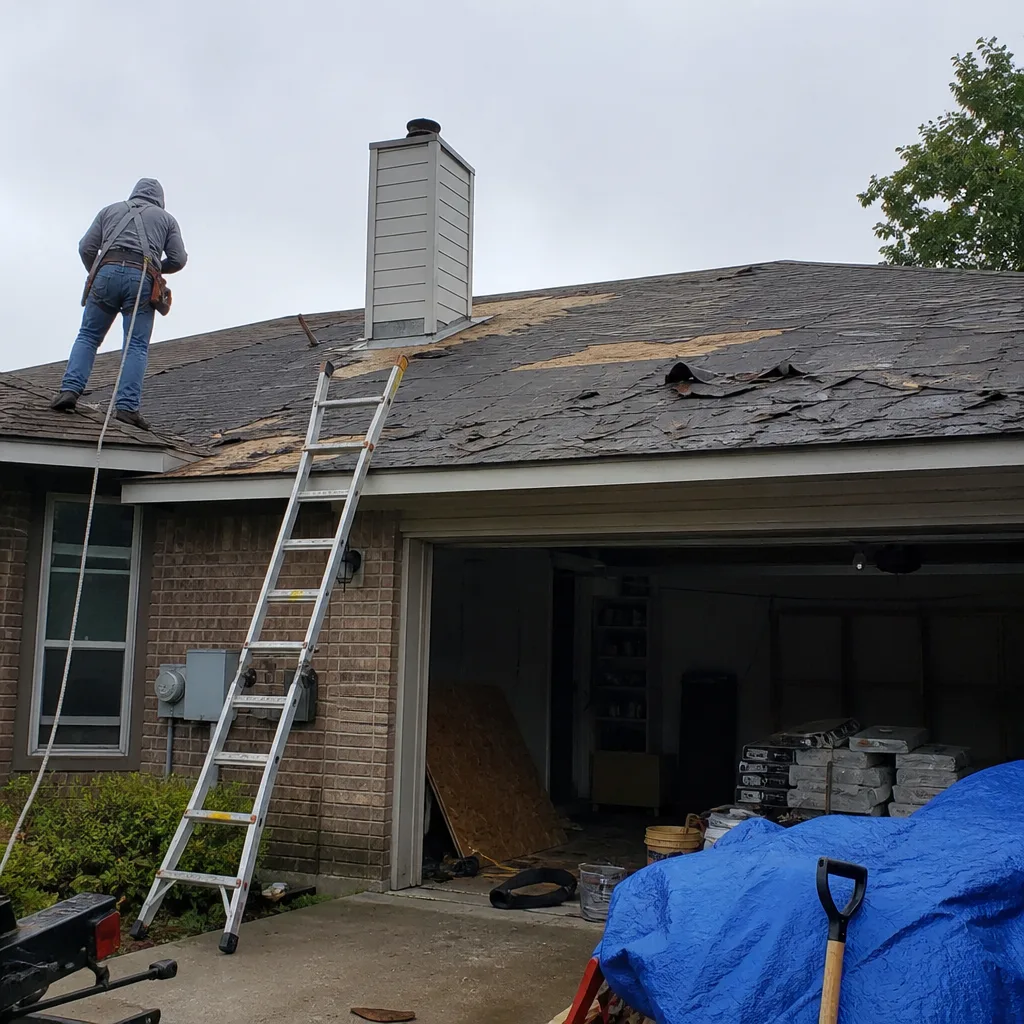 Before
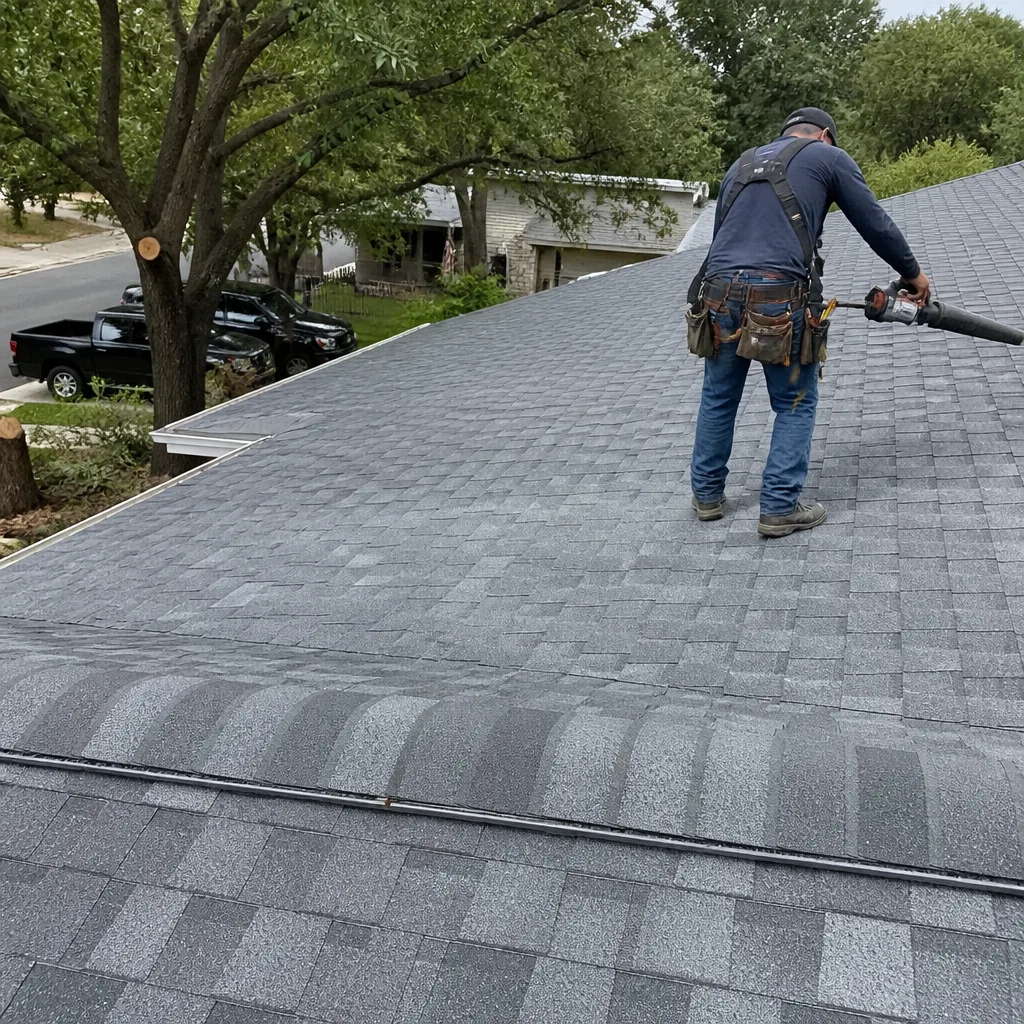 After
After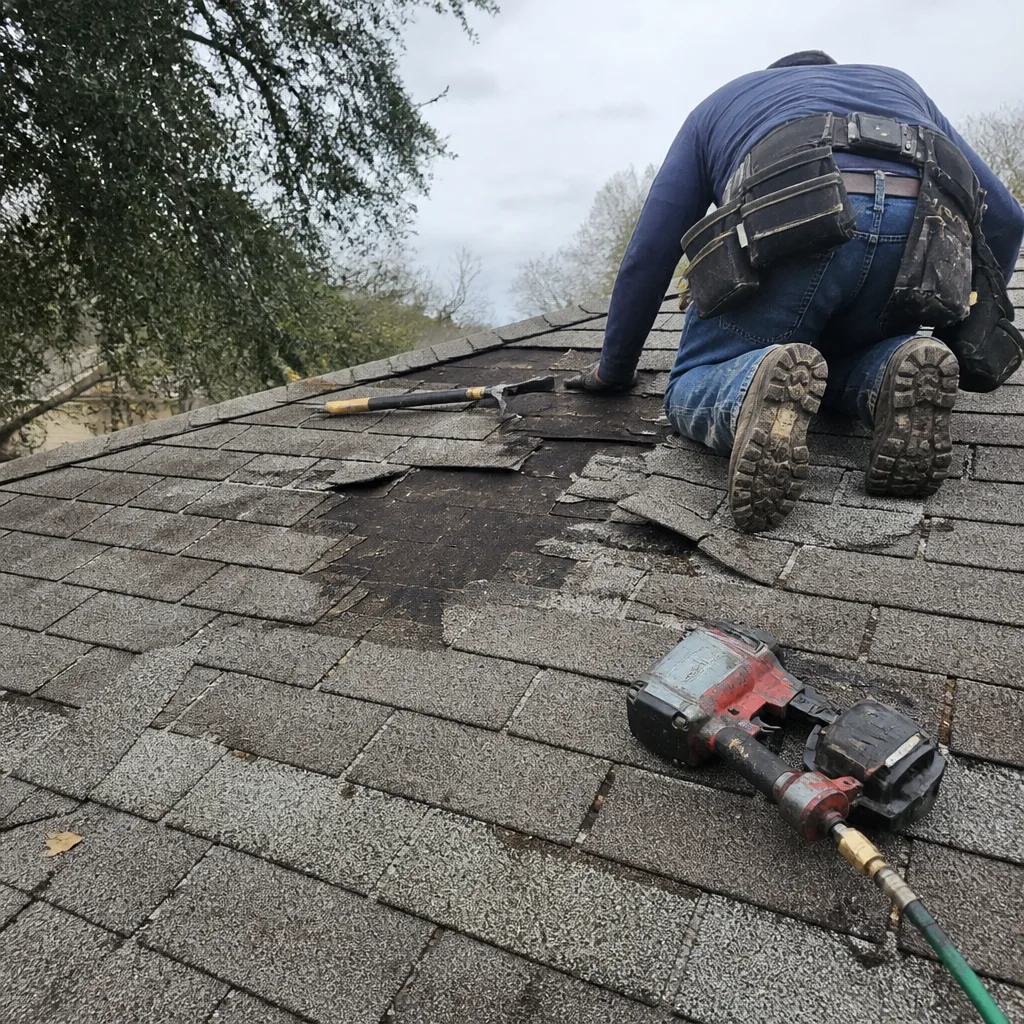 Before
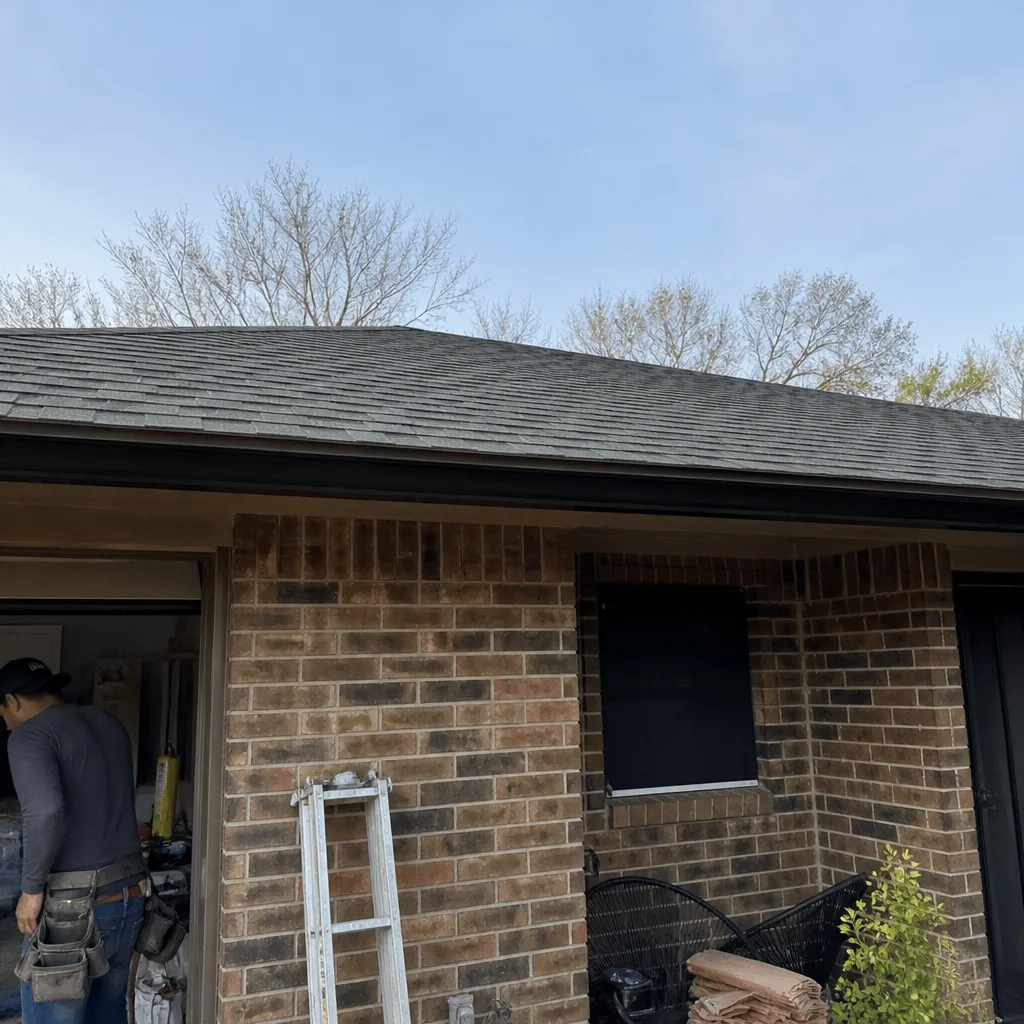 After
After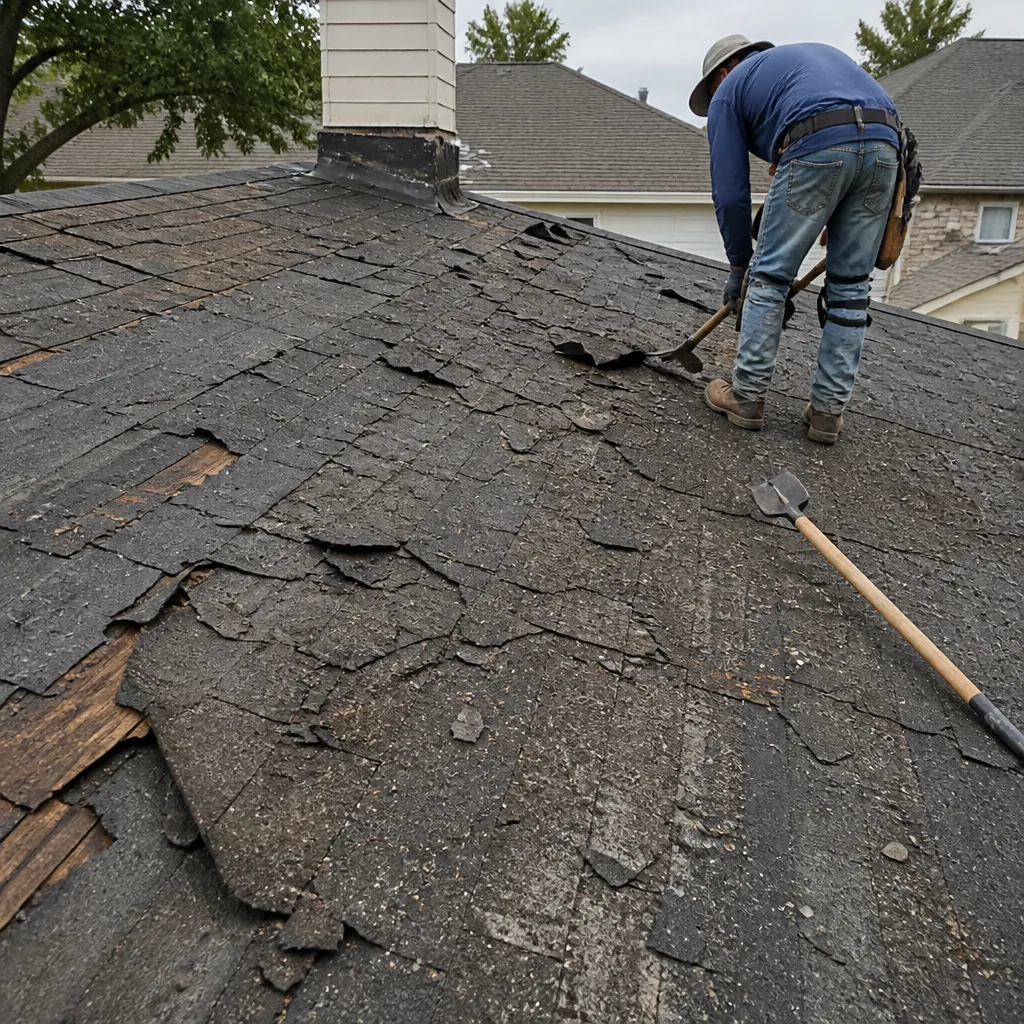 Before
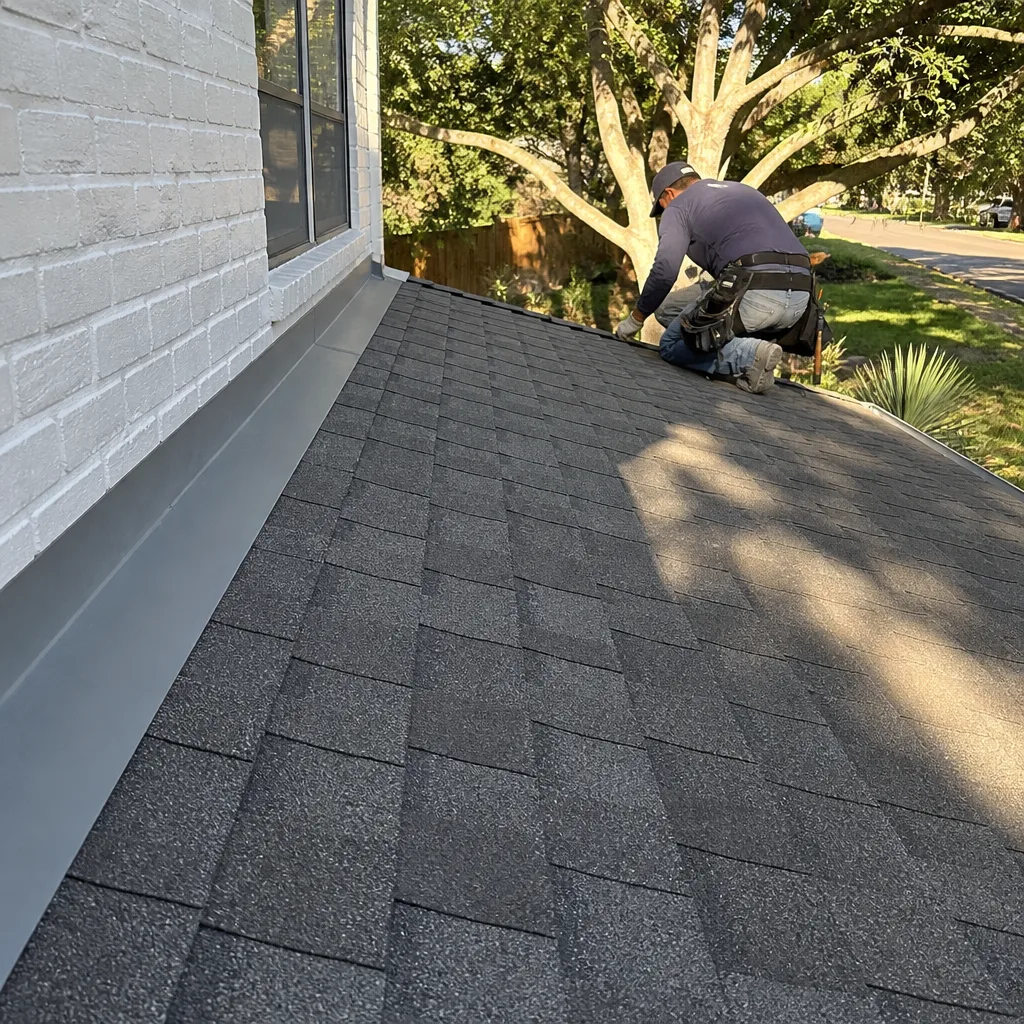 After
AfterReplacement Cost & What’s Included
In San Antonio, a typical IKO ridge vent replacement with Birchbark runs between $425 and $780 for a standard single-story home up to about 2,200 square feet. Two-story homes run higher because of access and a longer ridge line. Larger homes in the Stone Oak corridor with multiple ridge peaks and dormers can push toward $900 to $1,100.
| What you’re paying for | Typical range in San Antonio |
|---|---|
| IKO ridge vent material (20-ft sections) | $85 – $180 |
| Cap shingles to match your IKO roof | $60 – $140 |
| Labor, removal, disposal, and re-nailing | $280 – $460 |
That’s a parts-plus-labor number you’ll see in writing before we touch anything. Every job gets a fixed line-item quote, no change orders unless you change the scope, and the whole installation is covered by our 365-Day Done Right Promise. If the vent isn’t right a year from now, we make it right.
DIY or Call Us?
What you can check yourself: walk up into the attic with a flashlight on a hot afternoon and look along the ridge line for visible light, sagging plastic, or wasp nests around the vent ends. Also check for blown-in insulation that’s drifted over the soffit vents, which will choke the whole system.
What we don’t recommend doing yourself: anything that requires you on the roof. Ridge vent replacement means working along the peak, pulling cap shingles with a flat bar, and re-nailing in a spot where one misstep is a very long way up. It’s also easy to get the vent overlap backwards so wind-driven rain ends up inside the attic, and that’s a $4,000 drywall repair waiting to happen. If you want an honest read on whether the vent can be repaired or needs a full swap, call (903) 354-7802 and Erik or one of the crew will have a look. Estimates are free, and the number you get is the number you pay.
FAQs
In San Antonio’s heat cycle, an IKO ridge vent typically lasts 12 to 18 years, with south-facing ridge lines wearing faster than shaded ones. If the vent is original to a roof that’s more than 15 years old, replacement is usually the smarter move than any patch.
Yes, if only one section is cracked or shifted, we can often replace the single 20-foot section and resecure the adjacent panels instead of doing the full ridge line. We’ll tell you honestly whether a patch will hold or whether the whole vent is too brittle to save, and the price changes accordingly. Call (903) 354-7802 for a straight answer on your specific roof.
Most IKO ridge vent replacements in San Antonio take one visit of 2 to 4 hours, depending on ridge length and roof access. We clean up after ourselves, and you get a photo of the finished clean-up before we leave.
We stock IKO-compatible ridge vent on our trucks for the most common San Antonio roof pitches and widths, and we also work with GAF, Owens Corning, and CertainTeed parts when the job calls for matching a non-IKO roof. If your specific product has to be ordered, we’ll tell you before you commit and give you the timeline in writing.
Need an IKO ridge vent looked at? Call (903) 354-7802 and we’ll get you a written estimate before any work begins. Shoe covers at the door, drop cloths through the hallway, all debris cleared and photographed before we leave. A written price and a straight answer, that’s where we start.
Written by Erik Lindgren, Owner, Birchbark Roofing San Antonio at Birchbark Roofing San Antonio, serving San Antonio and nearby areas.