
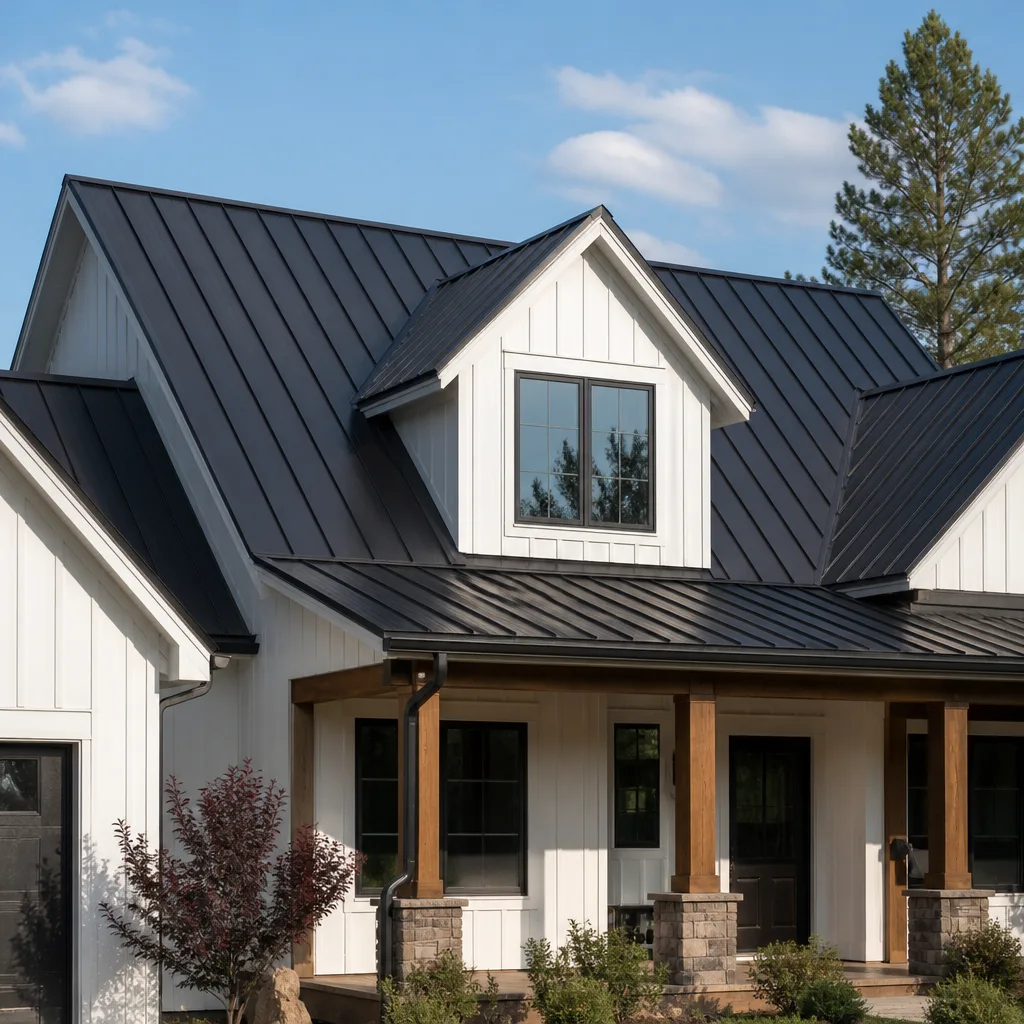
 Metal roofing
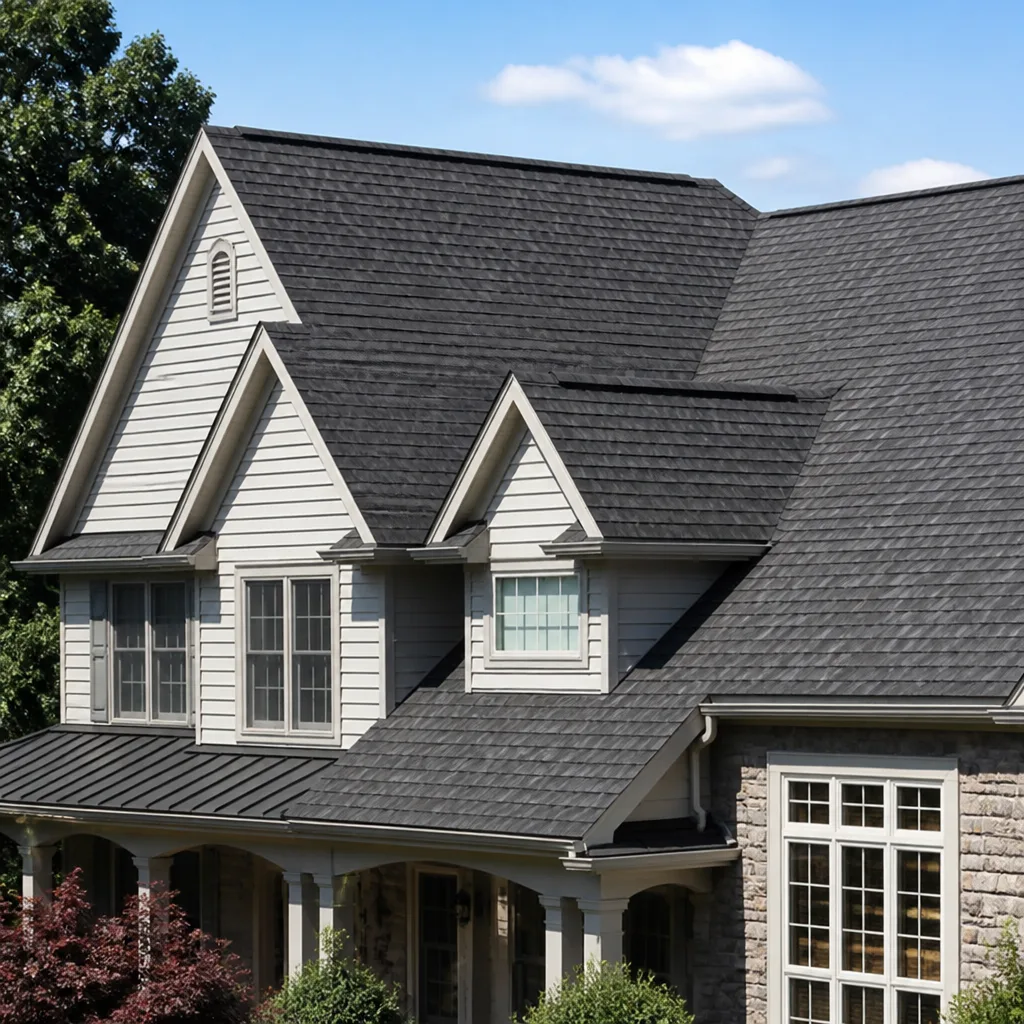 Architectural shingles
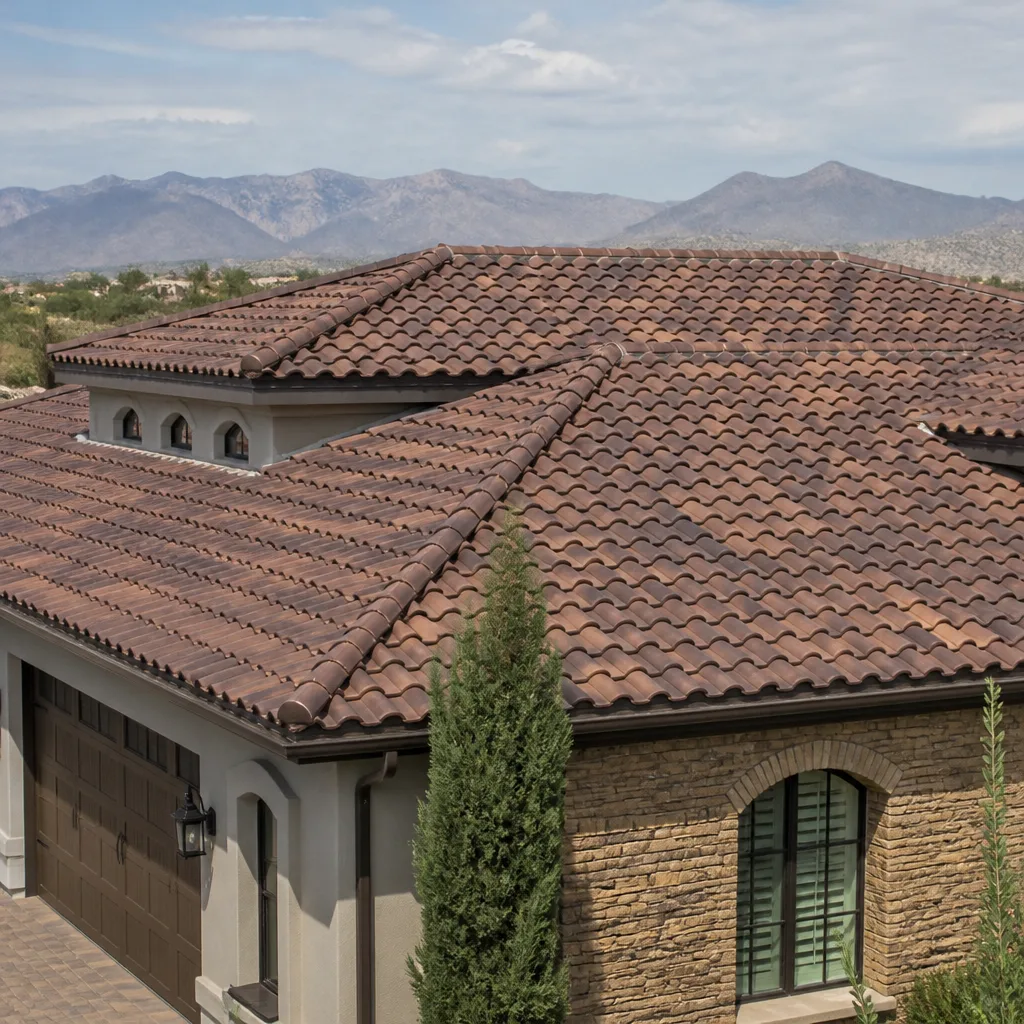 Tile roofing
 GAF
GAF Owens Corning
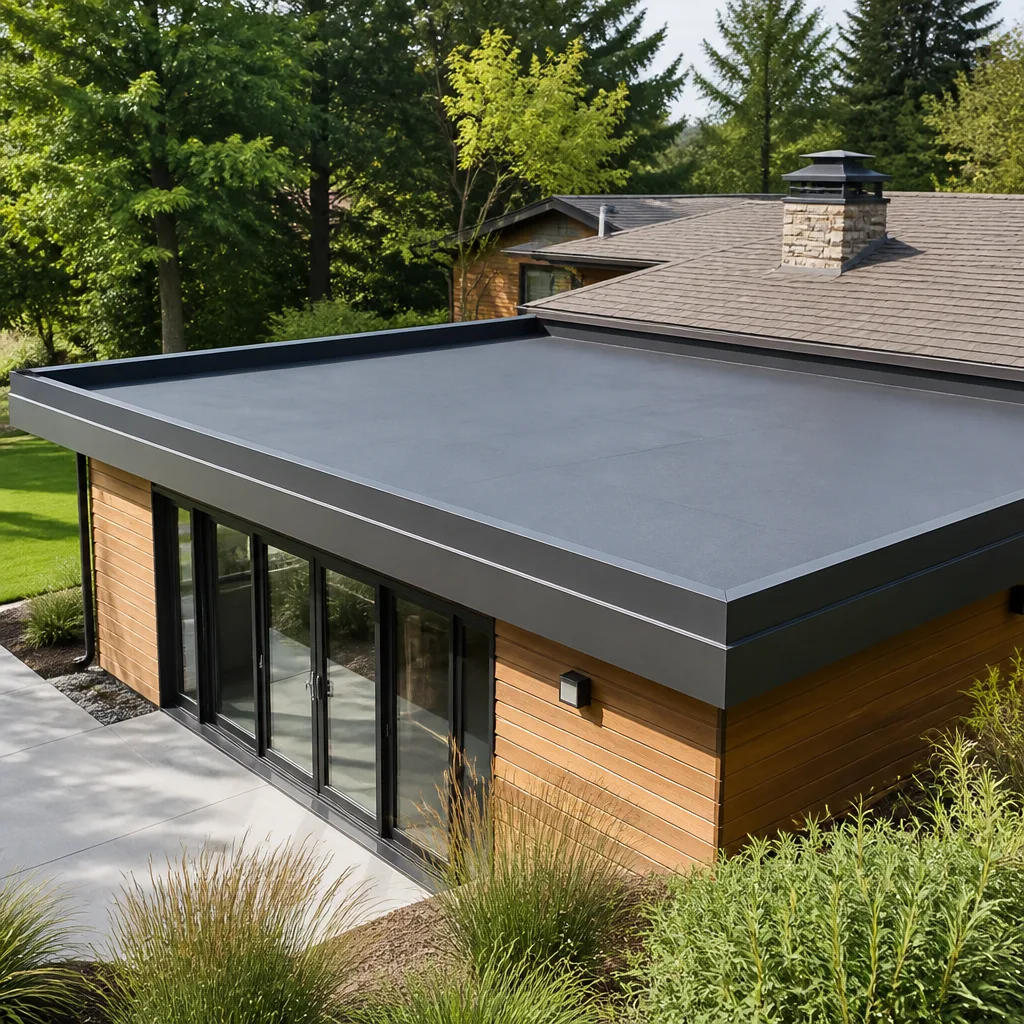 Flat & low-slope
Free roof inspection with deck photos before we talk money - GAF and Owens Corning certified installation
Styles & brands we work with
See the difference
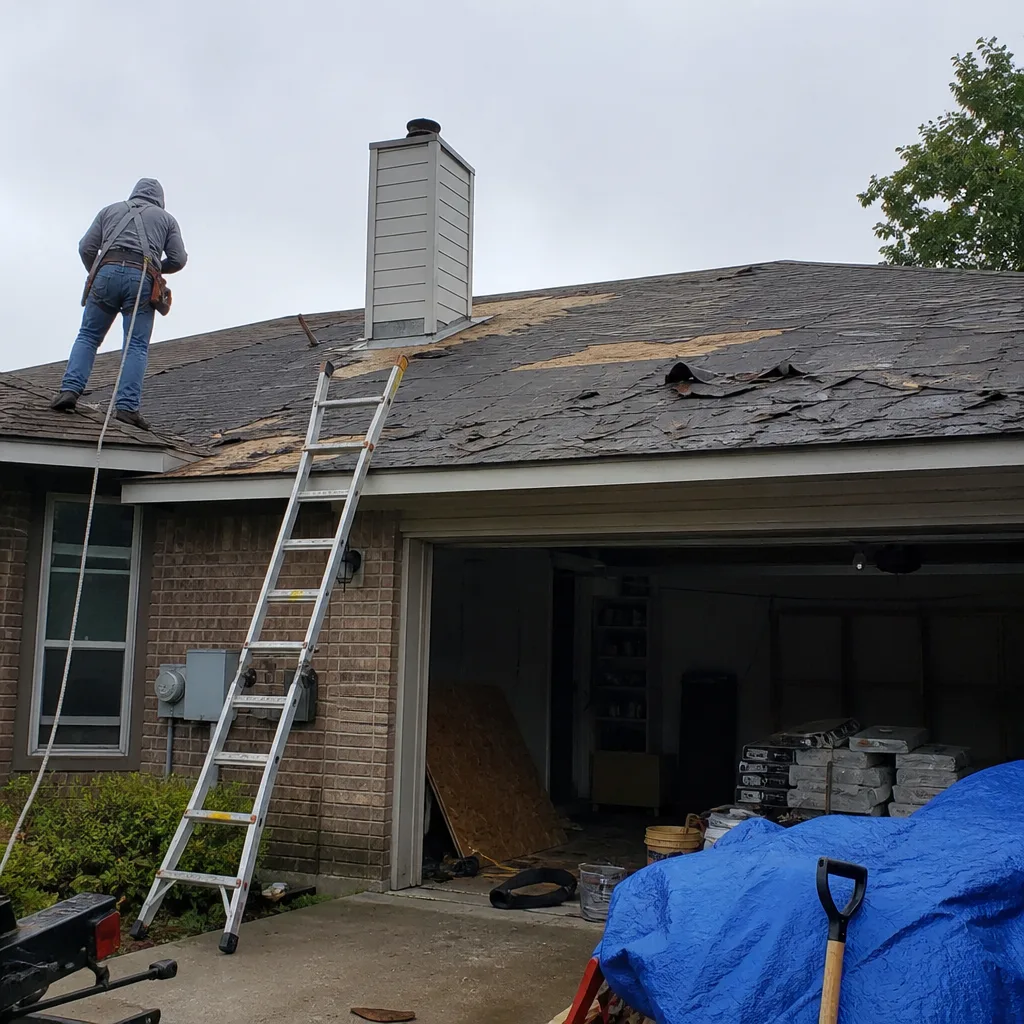 Before
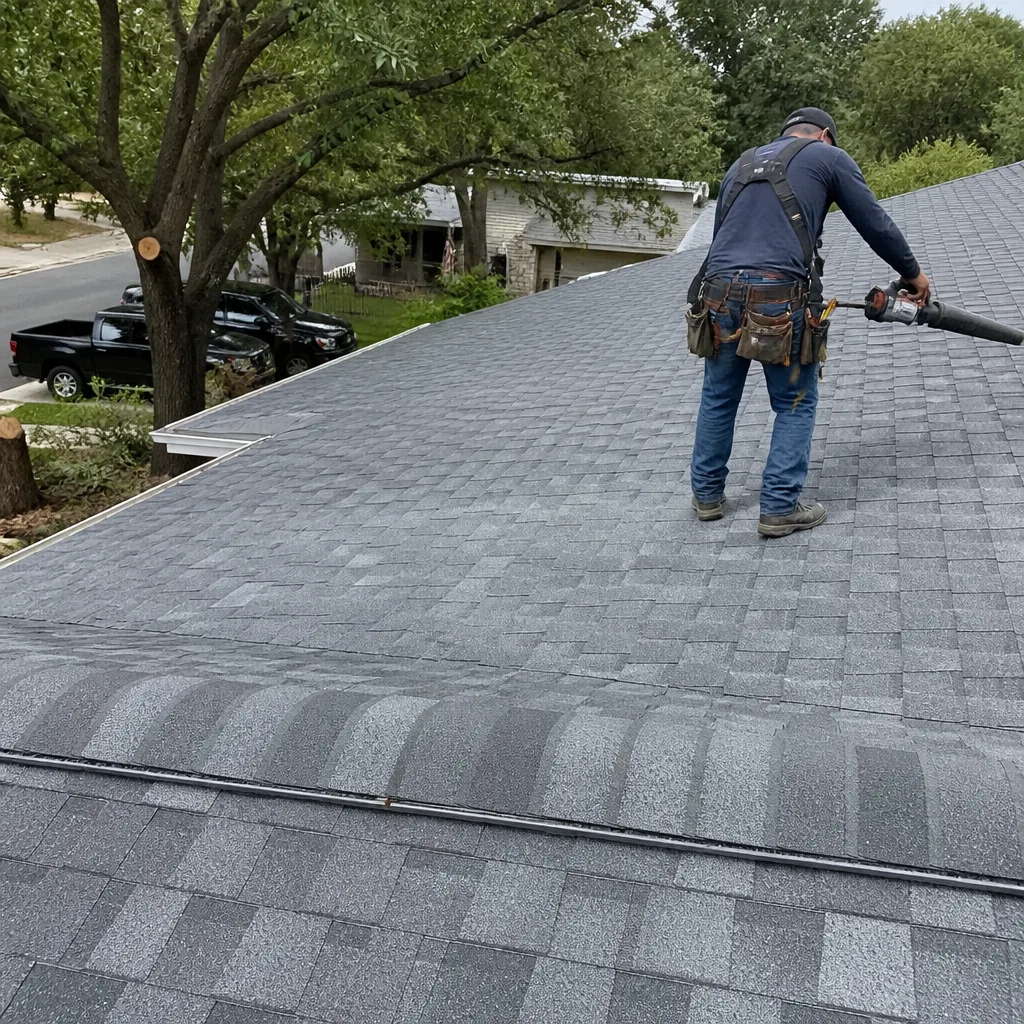 After
After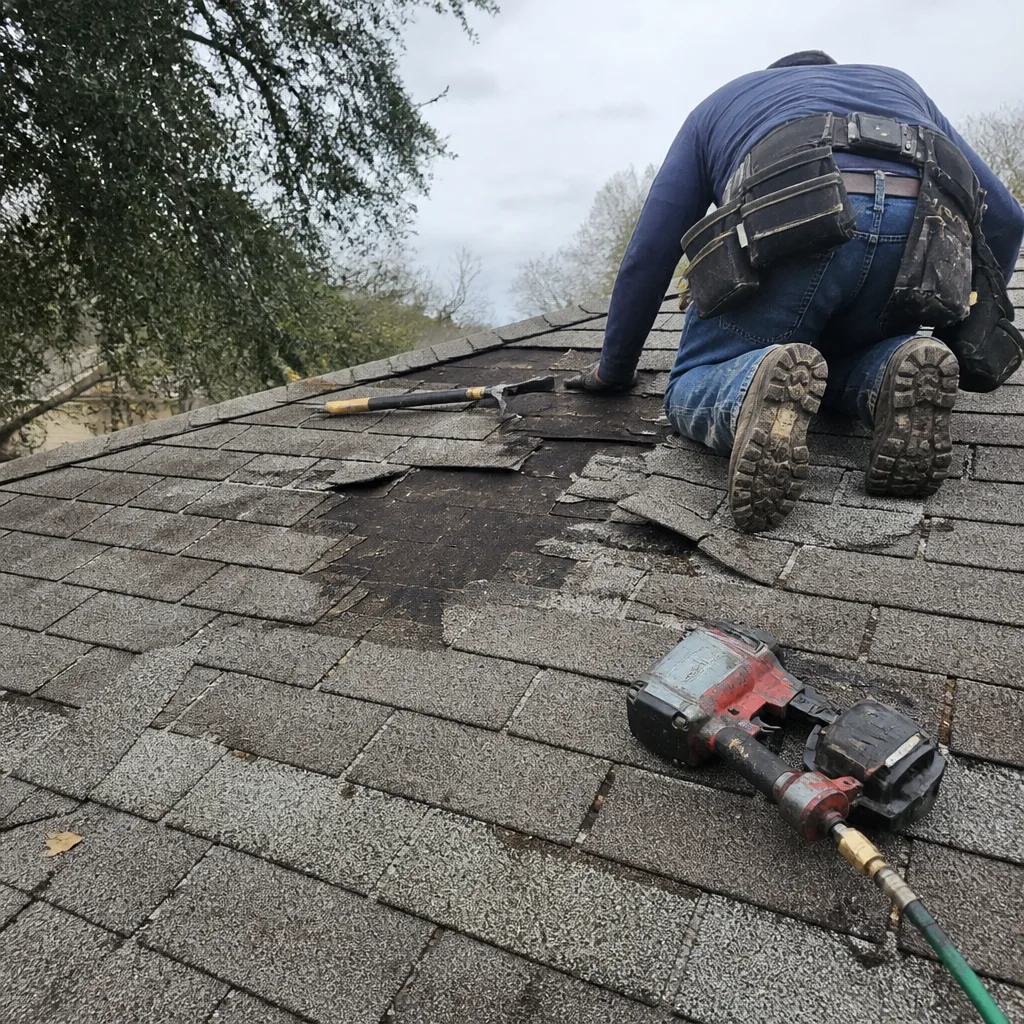 Before
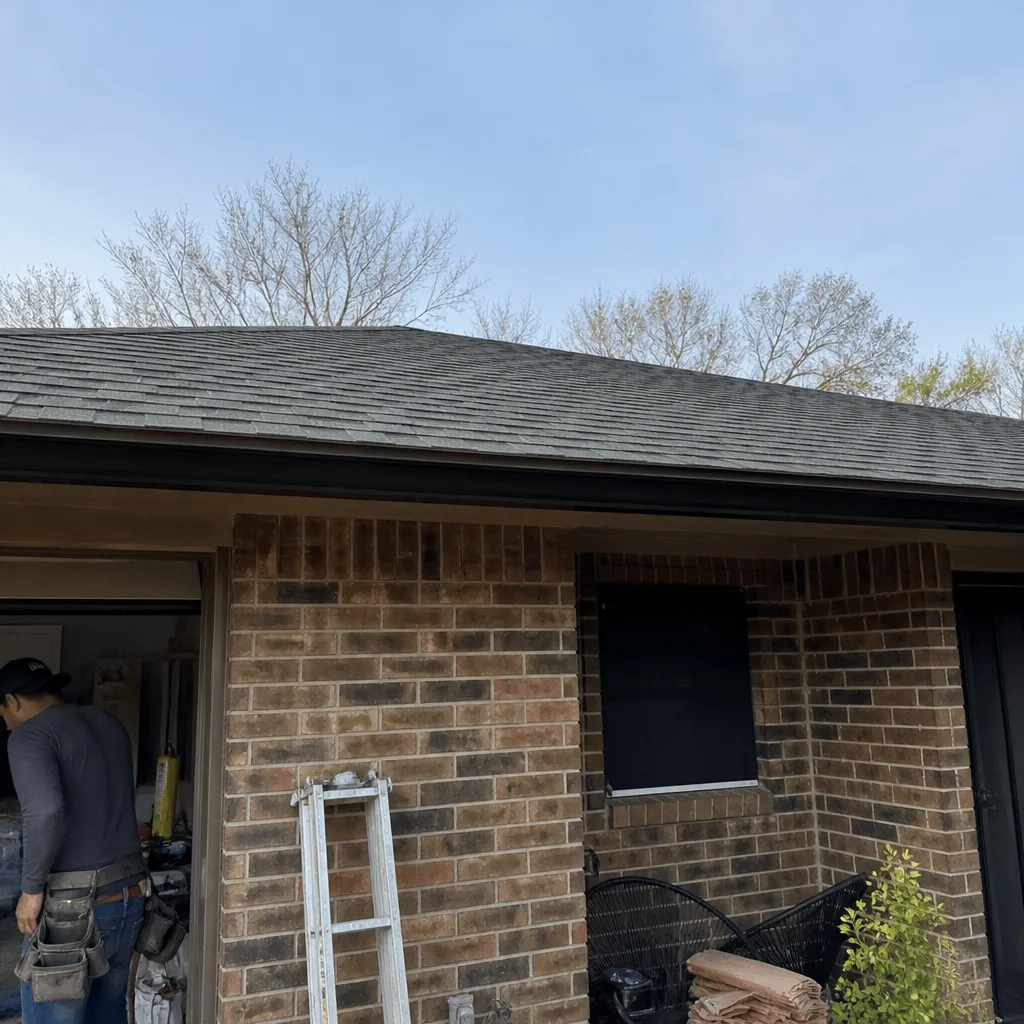 After
After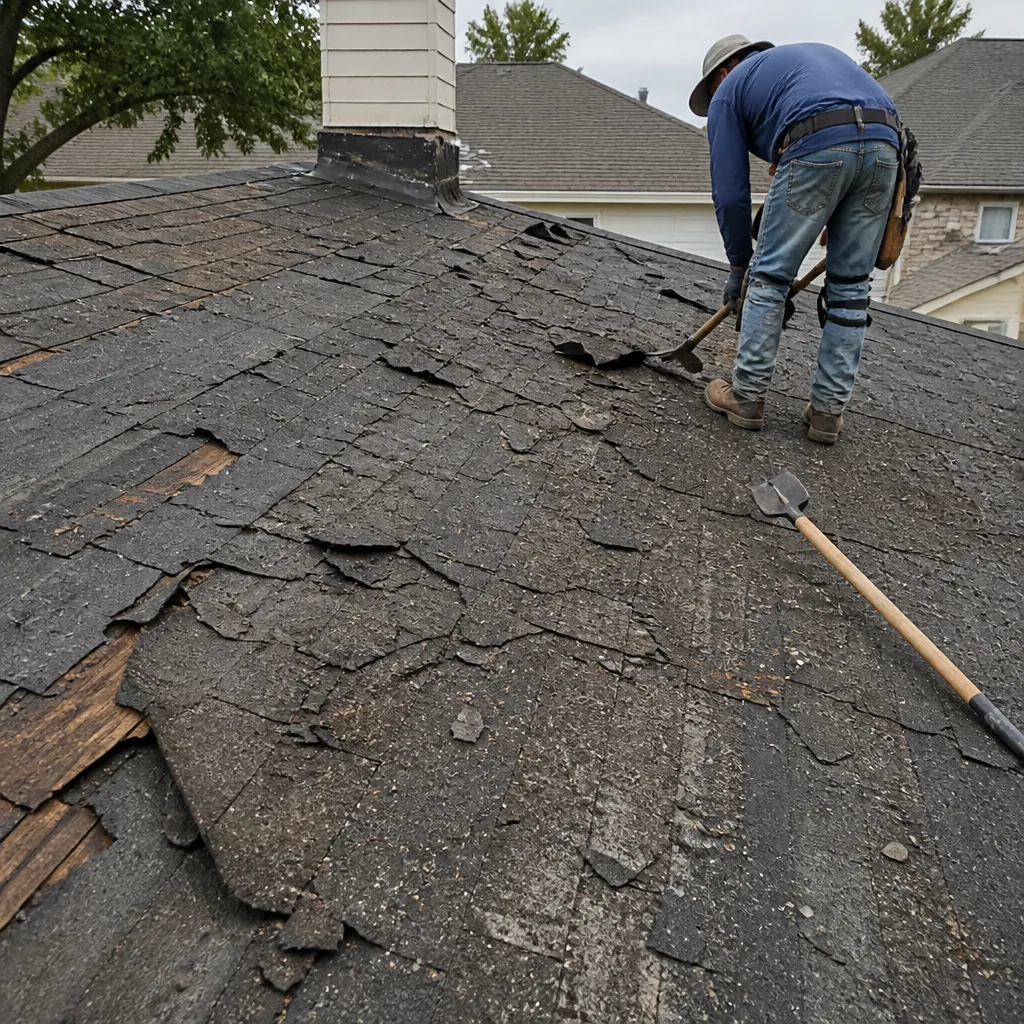 Before
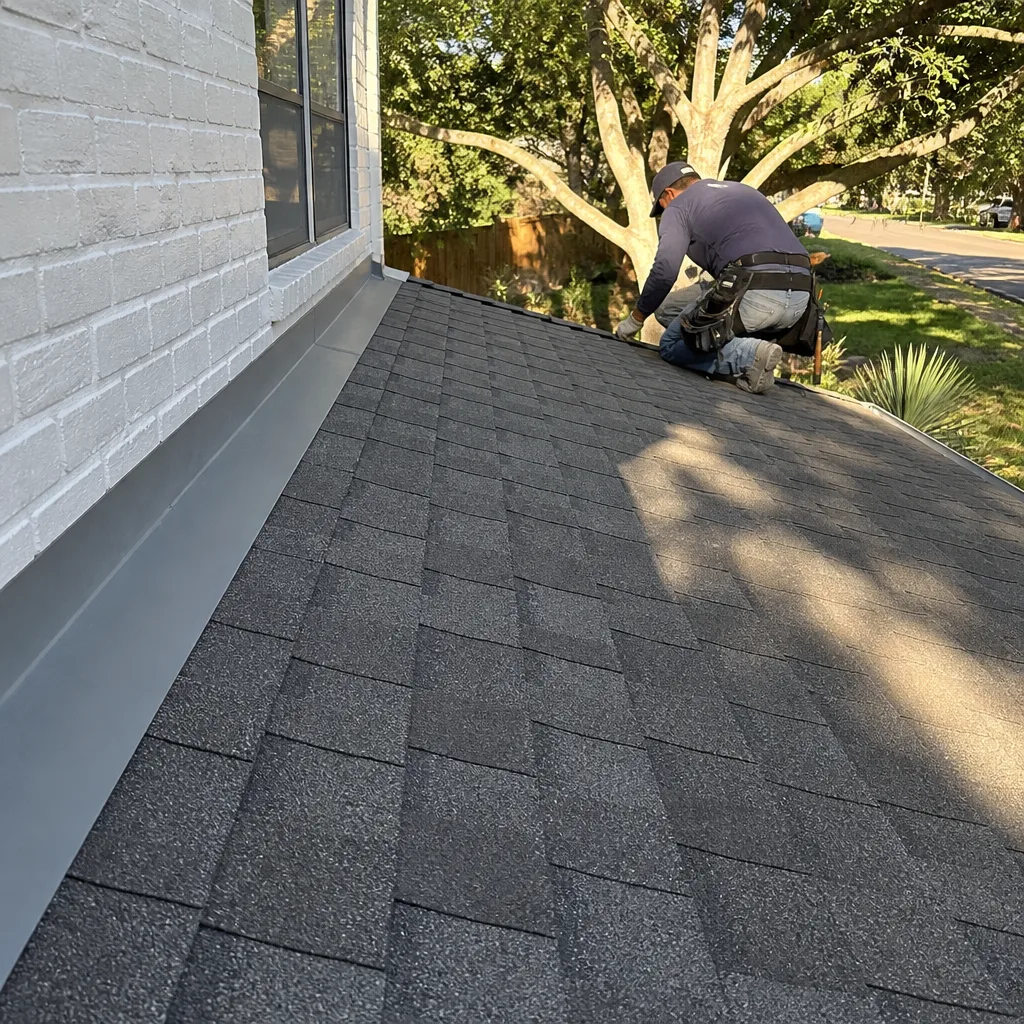 After
AfterFlat Roof Patch in San Antonio, TX
Flat roof patching in San Antonio typically costs between $350 and $900 for a standard residential repair, and most patches our crew completes are done in a single visit. The final number depends on what we find under the surface, how large the damaged area is, and which material your roof was originally built with. Call (903) 354-7802 and we’ll give you a written price before any work starts.
San Antonio’s flat and low-slope roofs take a beating that pitched roofs don’t. Between the May thunderstorms, the July sun baking modified bitumen and TPO membranes until they crack, and the occasional cold snap in January, a small split can turn into a leak that travels across your ceiling before you even notice the stain. That’s where a properly done patch comes in. Our Roof Repair team handles flat roof patch work for homes across the city, from Jefferson and Monticello Park over to Terrell Heights and up through Alamo Heights. If you’ve got water where it shouldn’t be, we’ll find the source, patch it correctly, and document the clean-up before we leave.
When You Need Flat Roof Patch
Not every roof issue means a full replacement. Here’s what we see most often in San Antonio before a patch is the right call:
- Water stains on ceilings or walls after a heavy rain. Flat roofs don’t shed water the way sloped roofs do, so even a small puncture lets water pool and seep in. In older neighborhoods like Beacon Hill, where flat roof additions are common, this is the number one call we get after a downpour.
- Blisters or bubbles in the roofing membrane. San Antonio’s heat causes trapped moisture or air under the membrane to expand and form raised areas. When the membrane separates from the substrate, it’s a puncture waiting to happen.
- Visible cracks or splits in the roof surface. Modified bitumen and older rolled roofing get brittle after years of UV exposure. Cracks often show up first around penetrations, like plumbing vents and HVAC curbs.
- Ponding water that doesn’t drain after 48 hours. Flat roofs in San Antonio are prone to low spots where water sits. Standing water accelerates membrane breakdown and finds its way through the smallest gap.
- Flashing separation around skylights, vents, or edges. The metal flashing where your flat roof meets a wall or penetration is a common failure point. If the sealant has pulled away, water follows.
- Membrane tears from foot traffic or fallen branches. If you’ve had work done on your roof, satellite dishes installed, or just a good old Hill Country windstorm, you may have a tear you can’t see from the ground.
If any of these sound familiar, don’t wait for the next storm to confirm it. A flat roof patch done early costs a fraction of what leak repair and water damage costs after a season of unchecked problems.
Our Flat Roof Patch Process
You’ll know exactly what’s happening, in what order, and what it costs before we touch your roof. Here’s how a patch job goes with us:
- We inspect the roof and find the actual source of the leak. Water travels, and the stain on your ceiling is rarely directly under the hole in the membrane. We trace the water path back to the real entry point so the patch addresses the problem, not the symptom.
- We prepare the work area inside and outside your home. Shoe covers go on at the door, drop cloths go down through the hallway and under the ladder access, and we confirm with you whether pets need to stay inside so we can coordinate the door schedule around them.
- We clean and prepare the damaged area. The membrane around the damage is cleaned, dried, and prepped so the patch bonds correctly. Skipping this step is how patches fail in six months.
- We apply the patch using materials matched to your roof system. Whether your flat roof is modified bitumen, TPO, or an older rolled system, we patch it with compatible material. We work with products from GAF, CertainTeed, and Owens Corning, among others, and we’ll tell you which one your roof was built with.
- We seal all edges and test the repair. Every seam around the patch is sealed, and we run water across the repaired area to confirm it holds before we call it done.
- We clean up and photograph the finished work. All debris is removed, your walkway is clear, and you’ll see a photo of the completed clean-up before the crew leaves. That’s part of the Cedarwell Care Promise: Clean up like it’s our own home; Ask before we move or touch anything; Respect the family’s time and quiet hours; Explain the price before the work.
Flat Roof Patch Pricing in San Antonio
A straight answer on how much roof repair costs: most residential flat roof patches in San Antonio run between $350 and $900, and our typical job lands around $450 to $650. You’ll see your exact number in writing before we start, so there’s no surprise at the end.
What moves the price:
- Size of the damaged area. A 2-foot split is a different job than a 10-foot section of deteriorated membrane. We price by the square foot of actual repair.
- Roof material. Patching a modified bitumen roof is usually less expensive than TPO because the prep and adhesion process differs. Older built-up roofs (gravel and tar) take more labor to expose and patch.
- Number of penetrations involved. If the leak is around a roof vent, skylight, or HVAC curb, the flashing work adds time and material.
- Access and roof height. Single-story flat roof sections in neighborhoods like Alta Vista are typically faster to access than roof areas on taller homes or additions built over second stories.
- Condition of surrounding material. If the membrane next to the damaged area is fragile or badly degraded, the patch needs to extend into healthier material so it will last.
Every estimate from Birchbark Roofing San Antonio includes a written price before any work begins. You’ll know the cost in dollars, not ranges, before our crew climbs a ladder. And because we’ve been part of the Cedarwell family of roofing companies since 2000, this approach is baked into how we operate, not something we offer as an upgrade. Call (903) 354-7802 to schedule a free estimate.
Why San Antonio Homeowners Choose Birchbark for Flat Roof Patches
Flat roofs don’t forgive shortcuts. A patch that’s not cleaned and sealed properly will fail again, often within the same year. We do this work the way we’d want it done on our own home, which means telling you what’s wrong in plain language and fixing it so you don’t have to think about it again.
Here’s what you can expect when you call us:
- A live person answers, 24/7. No voicemail trees, no “we’ll call you back within one business day.” If it’s midnight and you’ve just discovered a leak, a real person will pick up.
- Background-checked, uniformed technicians. You’ll know who is on your property, and they’ll introduce themselves before they start. It’s your home, not a job site.
- The 365-Day Done Right Promise. If the patch isn’t right, we make it right. This guarantee is stamped on every job we do, including flat roof patches.
- Protection for your home’s interior. Shoe covers at the door, drop cloths through the hallway, and a clean-up photo before we leave. If your dog needs to stay inside, we coordinate the door schedule with you and use pet-safe products where there’s a choice.
- A written price in dollars before any work starts. Not an estimate on a napkin. A clear number, in writing, always.
Birchbark Roofing takes its name seriously. Birch bark was one of the first roofing materials, light and tough and made to shed water. We carry that idea forward with a flat roof patch that actually sheds water, not just one that looks good from the street.
What Types of Flat Roofs Do We Patch?
San Antonio homes have several types of flat and low-slope roofing, and each one patches differently. We work with all of the common systems you’ll find across the city:
- Modified bitumen (mod bit). The rolled asphalt roofing with a granulated surface you’ll see on many mid-century homes in neighborhoods like Castle Hills and Jefferson. It patches well when the surrounding material is sound.
- TPO (thermoplastic polyolefin). The white or light-colored single-ply membrane common on newer additions and commercial-style residential builds. TPO requires proper surface cleaning and the right sealant to bond a patch.
- EPDM (rubber roofing). Less common in San Antonio than in cooler climates, but we see it on some older built-up homes and patios.
- Built-up roof (BUR). The traditional gravel-and-tar system. Patching means removing aggregate, repairing the underlying plies, and resealing, which is labor-intensive but doable.
- Rolled asphalt roofing. Often used on porches, carports, and shed roofs. Small tears and splits can often be patched effectively if caught early.
If you’re not sure what type of flat roof you have, that’s fine. Our inspection identifies the system, the damage, and the right repair approach in one visit.
Seasonal Flat Roof Damage in San Antonio
Flat roofs in our city face a specific cycle of threats through the year, and knowing the season helps you understand what you’re seeing:
Spring (March – May). Thunderstorm season brings pounding rain and hail, and flat roof sections with existing weak points show them fast. This is when we see the most water intrusion calls, especially after the first big storm of the season reveals splits that winter’s temperature swings opened up.
Summer (June – September). A San Antonio summer runs hot, often past 100 degrees for weeks. The surface of a flat roof can hit 160 degrees or higher, and that heat causes membrane expansion, seam separation, and accelerated UV breakdown. Cracks that were small in April can open significantly by August.
Fall (October – November). Leaves and debris collect on flat roofs, especially under overhanging oak and pecan trees that are everywhere in neighborhoods like Alamo Heights and Terrell Hills. Debris holds moisture against the membrane and can mask underlying damage.
Winter (December – February). We do get freezing temperatures, even if briefly. The contraction from a sudden cold snap, often right after a warm day, stresses seams and seals on flat roofs, and that’s when we see new splits appear.
Flat Roof Patch vs. Full Flat Roof Replacement
This is the question every homeowner needs answered honestly: patch it, or replace it? Here’s how we approach that decision:
A patch is the right call when the surrounding membrane is still flexible, the damage is localized, and the roof has reasonable remaining life. If the membrane around the damage is brittle, cracked in multiple places, or pulling away from the substrate, a patch may buy you a season but won’t hold long-term.
Our rule on flat roofs is simple: we don’t sell a replacement when a patch will solve the problem, and we don’t sell a patch when the roof is too far gone for one to last. You’ll get a straight recommendation based on what we find, with a written price for whichever route you choose.
In neighborhoods where flat roof sections are common on older homes, we’ve seen roofs that were installed during the original build hold up for 20 years with regular patching and maintenance, and we’ve seen roofs installed five years ago that need more extensive work because water was never addressed. The condition of your specific roof, not its age alone, is the deciding factor.
Signs Your Flat Roof Patch May Be Failing
Sometimes a patch was done years ago by another crew, or by a previous homeowner, and it’s starting to fail. Here’s what to watch for:
- Water stains reappearing in the same spot. If a patch fails, water usually returns to the same ceiling area because the leak path is already established.
- Lifting or peeling edges on the repaired area. A patch that’s separating at its edges is no longer watertight, even if it looks mostly intact.
- New cracks radiating from the patch perimeter. The stress around an old repair can create new failure points as the roof expands and contracts through San Antonio’s temperature swings.
- A musty smell or mold growth in the room below. Water may be entering slowly enough that you don’t see a stain, but the moisture is still there.
- Blisters forming around or under the previous repair. Trapped moisture from a failing patch will blister as the heat builds.
If you see any of these, a fresh patch done properly may still solve it. But the old patch needs to be fully removed, the area cleaned, and the new repair done with compatible materials. Half-measures don’t hold on flat roofs.
FAQs – Flat Roof Patch
How much does a flat roof patch cost in San Antonio?
A flat roof patch in San Antonio typically costs between $350 and $900, with most residential jobs falling between $450 and $650. The exact price depends on the size of the damaged area, the type of roof membrane, and how many penetrations are involved. Call (903) 354-7802 for a free estimate with a written price before any work starts.
Can you patch a flat roof the same day?
Yes, in most cases we can complete a flat roof patch the same day we arrive, provided the weather allows and the damaged area is dry. Emergency calls for active leaks are prioritized. A live person answers 24/7, including nights and weekends, so call us as soon as you notice the problem.
Is it cheaper to patch or replace a flat roof?
Patching is almost always cheaper in the short term, usually a fraction of a full replacement, but it only makes sense when the surrounding membrane is in serviceable condition. If the roof is brittle, cracked in multiple areas, or past its useful life, repeated patching becomes more expensive than replacing. We’ll give you an honest recommendation with a written price for either option.
How long does a flat roof patch last?
A properly done flat roof patch on sound surrounding material typically lasts 5 to 10 years in San Antonio’s climate, sometimes longer. The factors that shorten patch life are heat-driven membrane expansion, UV exposure, and standing water. If your patch doesn’t hold up, our 365-Day Done Right Promise covers making it right.
Do you work with my insurance company on flat roof damage?
We can document the damage thoroughly and provide the written information your insurance adjuster will want, including photos and a detailed repair scope. Our role is to give you a clear, written repair price; how you handle the claim is up to you. Call us and we’ll walk you through what documentation we can provide.
Will the patch be visible from the ground?
On most flat roofs, the patch will not be visible from ground level because flat roof surfaces are largely hidden behind parapet walls. The patch itself is functional, not cosmetic, and we prioritize making it watertight over making it pretty. That said, we’ll use material that blends with your existing roof as closely as possible.
Get Your Flat Roof Patched by Birchbark Roofing San Antonio
A small split in a flat roof membrane in San Antonio doesn’t stay small for long. The heat expands it, the rain finds it, and the water moves through your ceiling faster than most homeowners expect. But a patch done properly, with the right material and real attention to the prep work, stops the leak at its source and holds through our seasons.
When you call Birchbark Roofing San Antonio, you’ll speak with a live person who can schedule your inspection, answer questions, and get you on the calendar. You’ll get a written price in dollars before any work begins, shoe covers and drop cloths protecting your home interior, and a photo of the completed clean-up before our crew pulls away. If we miss something, the 365-Day Done Right Promise means we come back and fix it.
Call (903) 354-7802 for your free flat roof patch estimate in San Antonio. We’ll show you what’s wrong, explain what it takes to fix it, and put the number in writing before our ladder ever touches your wall.
Written by Erik Lindgren, Owner at Birchbark Roofing San Antonio, serving San Antonio.