
Last updated October 17, 2026
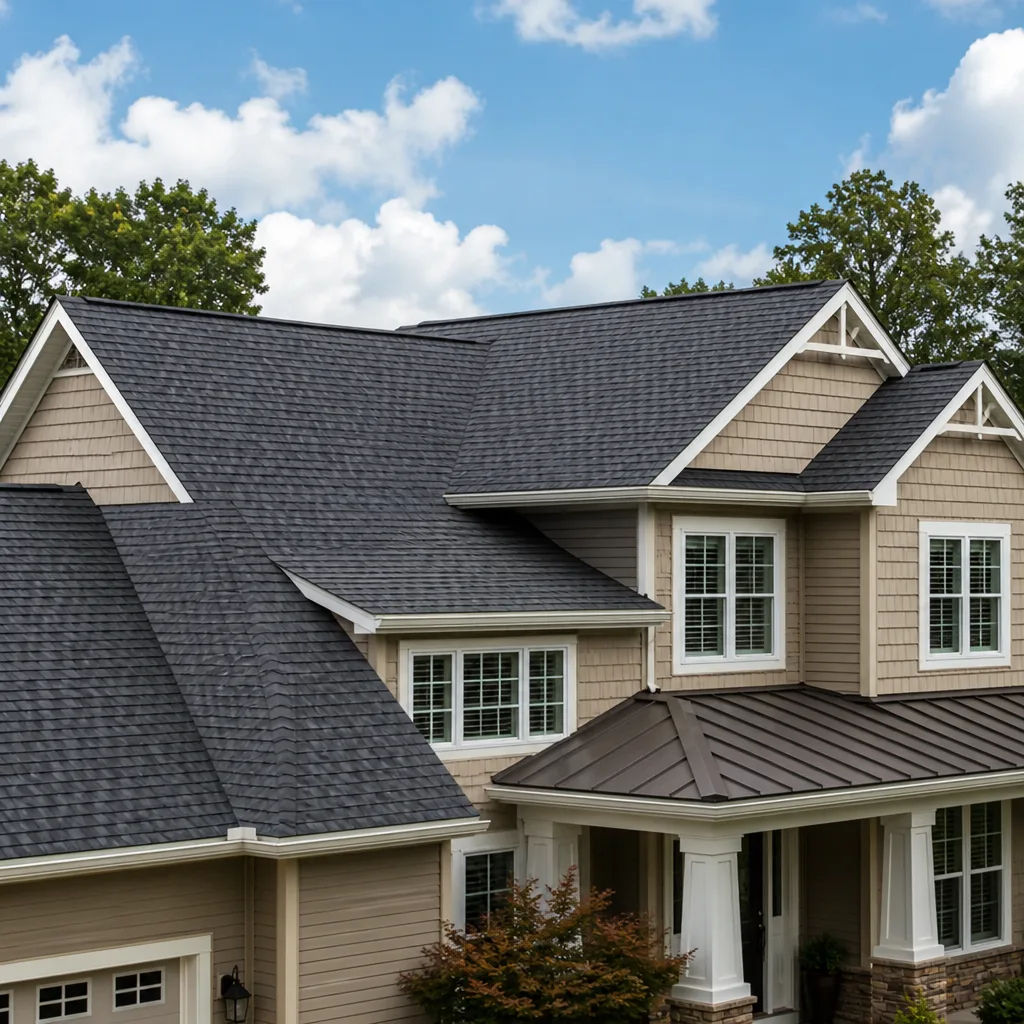
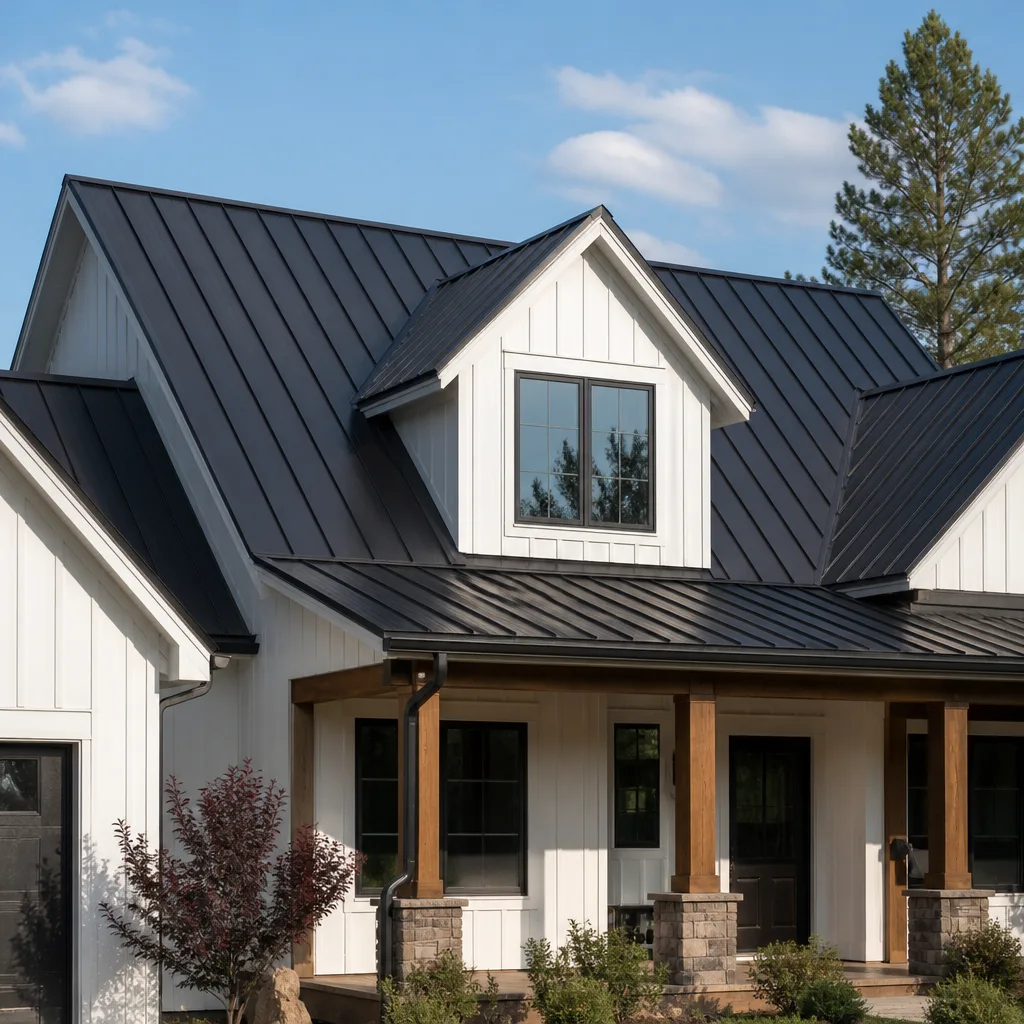 Metal roofing
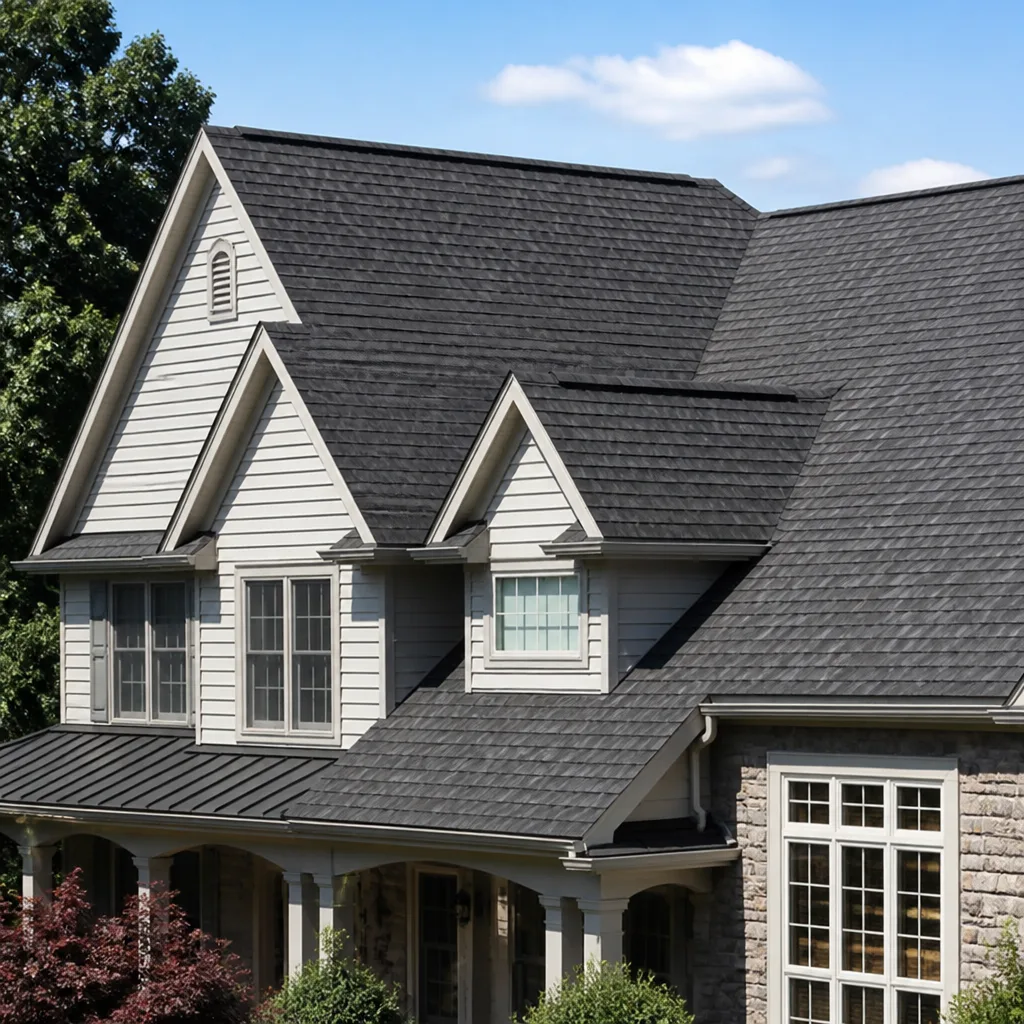 Architectural shingles
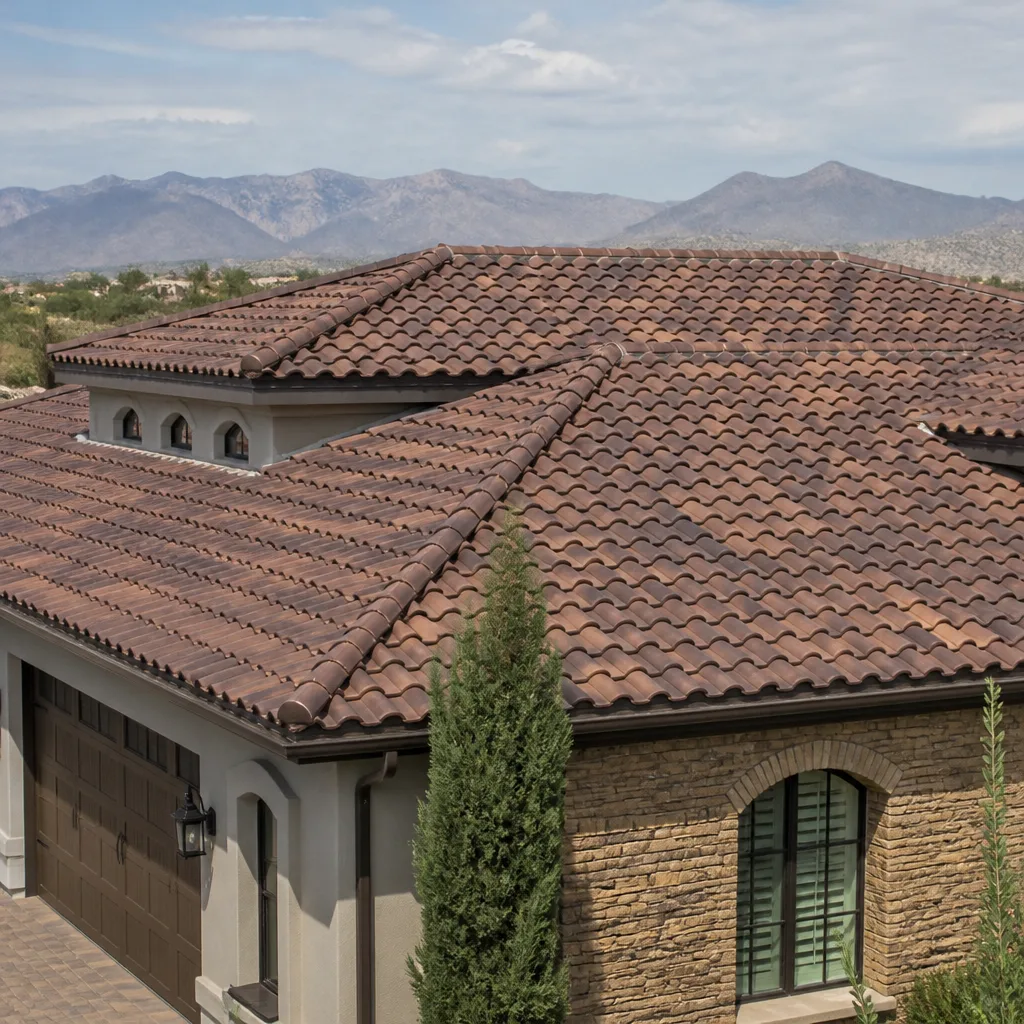 Tile roofing
 GAF
GAF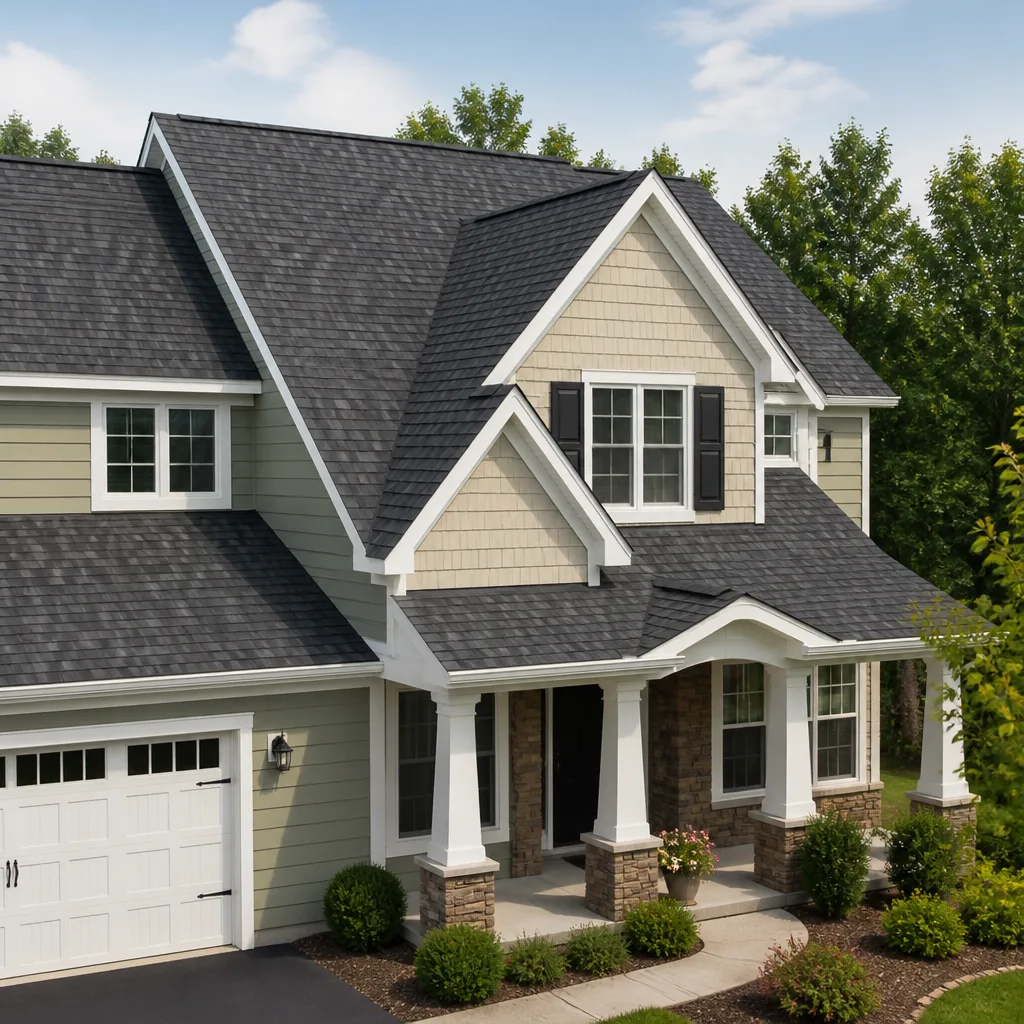 Owens Corning
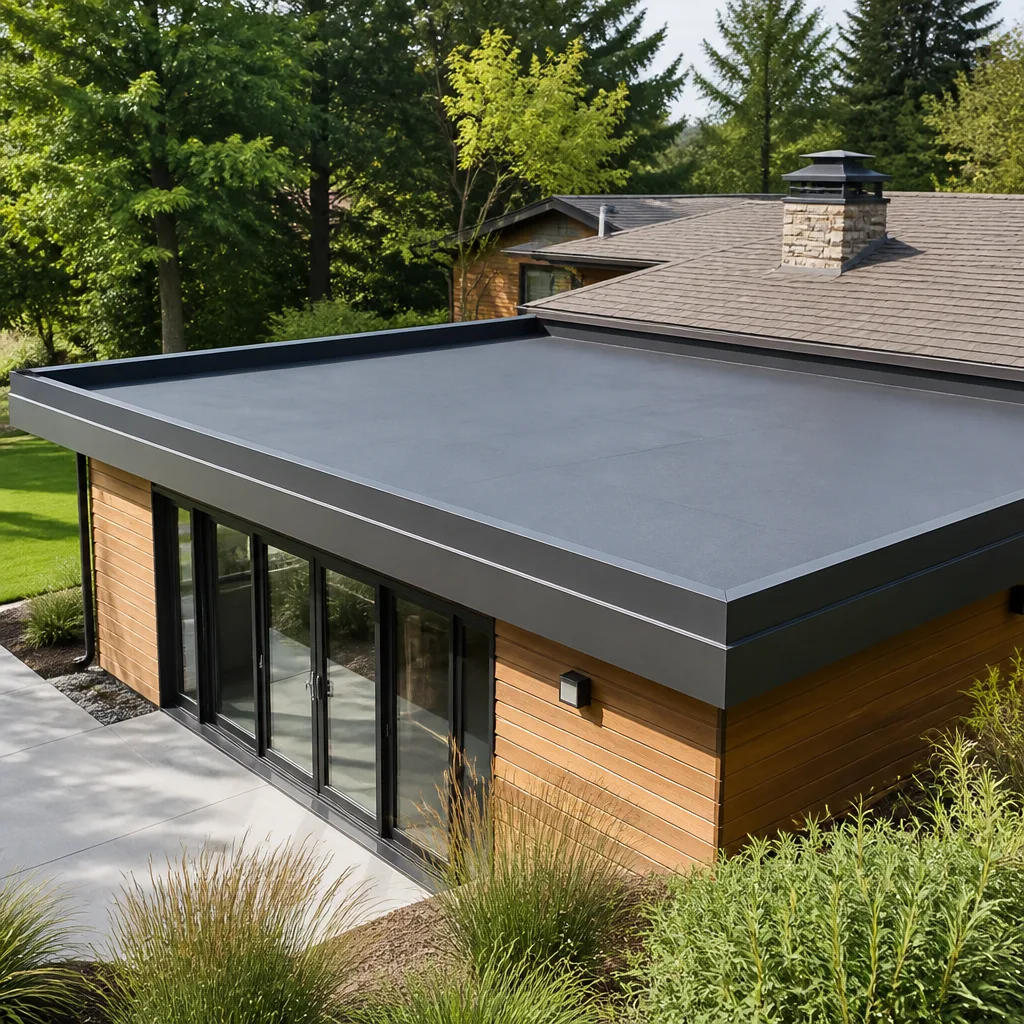 Flat & low-slope
Free roof inspection with deck photos before we talk money - GAF and Owens Corning certified installation
The Complete Guide to Roofing in San Antonio
San Antonio logs around 220 sunny days a year, and most homeowners assume the sun is their roof’s biggest enemy. They’re half right. It’s the four or five hail events that slip into those sunny years that do the real damage, and the two threats push you toward completely different material choices. This guide walks through that conflict, the soil movement most roofing guides ignore, how insurance premiums shift with shingle grade, and how to read an estimate line by line so nothing hides in vague labor descriptions.
Styles & brands we work with
Quick Answer
The right roof for San Antonio balances two opposing forces: intense UV exposure that breaks down standard asphalt shingles, and periodic hail that demands impact-resistant materials. A well-built roofing system here includes more than shingles – underlayment, ventilation, flashings, and drip edge all work together. Most residential roof repairs in San Antonio run between $450 and $1,800 depending on scope, while full replacements typically land between $9,000 and $22,000 based on material grade and roof complexity.
Table of Contents
- San Antonio’s Sun and Hail Problem: Why Material Selection Is Harder Here
- Clay Soil, Fascia, and the Hill Country Fringe Effect
- Impact-Resistant Shingles and Your Bexar County Insurance Premium
- What a Full Roofing System Actually Includes Beyond Shingles
- Roof Anatomy: The Parts You Pay For
- How to Read a San Antonio Roofing Estimate Line by Line
- Common Mistakes to Avoid
- When to Call a Professional
- Frequently Asked Questions
- The Bottom Line
San Antonio’s Sun and Hail Problem: Why Material Selection Is Harder Here
San Antonio sits in a climate band that most roofing literature treats as if it were Phoenix or Dallas. It’s neither. Phoenix has brutal sun but almost no hail. Dallas gets hail but less sustained UV. San Antonio gets both in meaningful doses, and your material choice has to account for that tension.
Standard three-tab asphalt shingles, the cheapest option on most bids, carry a typical lifespan of 12 to 18 years in San Antonio’s UV intensity. Architectural shingles, which are thicker and layered, handle the sun better and last 22 to 30 years here. But the sun is only half the equation. Hailstones in the I-35 corridor routinely hit 1 to 2 inches, large enough to knock granules off shingles and bruise the mat underneath. Once granules are gone, the asphalt oxidizes fast under that same UV, and deterioration accelerates.
This is why we tell San Antonio homeowners to think in terms of a material’s combined performance, not a single spec sheet number. A shingle that handles UV beautifully but shatters at 1.25-inch hail is a poor choice for Bexar County. A shingle rated to survive 2-inch hail but with poor granule adhesion will shed its protective layer within a decade of Texas sun. The sweet spot for most San Antonio homes sits in the Class 3 and Class 4 impact-resistant categories, paired with architectural-grade thickness for UV weight.
Metal roofing presents a different profile. Standing seam metal handles both sun and hail well, and a properly installed metal roof in San Antonio lasts 40 to 60 years. The tradeoff is cost: metal typically runs two to two-and-a-half times the price of architectural asphalt. Tile and slate offer longevity but they’re heavy, expensive, and cracked by large hail in ways asphalt is not.
For most homes in Alamo Heights, Stone Oak, or Terrell Hills, we recommend architectural asphalt in Class 3 or Class 4 impact rating. For homeowners planning to stay 20 years or more, standing seam metal makes financial sense despite the upfront cost.
Clay Soil, Fascia, and the Hill Country Fringe Effect
Here’s a paragraph you won’t find in a generic roofing guide. The expansive clay soil that runs through San Antonio and worsens as you move northwest toward the Hill Country fringe moves with moisture. It swells after rain. It contracts during drought. Houses built on slab foundations shift, and that shift travels up through the frame to the roofline.
The result is not usually damage to the roof deck itself. Plywood and OSB decking flex with the structure. The damage shows up in the fascia, soffits, and the connections between roof and wall. We see it regularly in neighborhoods like Leon Valley and Helotes: fascia boards pulling away from the eave, soffit panels buckling, flashing at the roof-to-wall junction separating just enough to let driven rain in.
In San Antonio’s clay soil zones, a roofing contractor who only looks at the shingles is missing the problem. The fascia acts as the anchor line for the roof’s edge. If the fascia is shifting or pulling loose, the drip edge can’t do its job, and water gets behind the gutter line. Homeowners see water stains on soffits or peeling paint along the eave and assume a roof leak. Often it’s fascia movement caused by soil expansion, and the fix involves re-securing the fascia and re-flashing the edge, not tearing off shingles.
This is also why San Antonio building inspectors pay close attention to eave fastening on older homes. Houses built before current code revisions often have fascia attached with nails that have worked loose over decades of soil movement. Screws and proper brackets solve the problem permanently. If you live west of I-10 in San Antonio, ask your roofing contractor how they inspect and secure fascia, not just how they install shingles. For help weighing installation options yourself, read our DIY vs Professional Roofing: The San Antonio Homeowner’s Decision Guide.
Impact-Resistant Shingles and Your Bexar County Insurance Premium
One of the least discussed money factors in San Antonio roofing is how your shingle choice affects your homeowner’s insurance premium. Bexar County sits inside a hail corridor that insurers track closely. Homes with Class 4 impact-resistant shingles often qualify for premium discounts, sometimes in the 5 to 20 percent range depending on the carrier and policy.
The testing standard matters. UL 2218 is the impact test that assigns a rating of Class 1 through Class 4. Class 4 shingles withstand a 2-inch steel ball dropped from a specified height without cracking. Class 3 handles 1.75 inches. Most standard architectural shingles test at Class 3. Many three-tab shingles are Class 1 or 2, which effectively disqualifies them from any insurance discount in San Antonio.
To claim the discount, your insurer typically needs documentation from the roofing contractor showing the specific product installed and its UL 2218 rating. The discount then stays on the policy as long as that roof remains in place. If you replace a roof in Stone Oak with Class 4 shingles, the premium savings over 10 to 15 years can offset a meaningful percentage of the upgrade cost.
This is one reason we recommend homeowners ask their insurance agent about impact-rating discounts before committing to a material grade. The conversation costs nothing, and the answer often changes the math on whether upgraded shingles are worth it.
What a Full Roofing System Actually Includes Beyond Shingles
Shingles are the roof’s face, but they’re one layer in a multi-part system. When a San Antonio contractor prices a roof replacement in San Antonio, the estimate should name every layer, not just the shingle product. A roof system that skimps on underlayment or ventilation fails earlier, regardless of how good the shingles are.
Here’s what a complete roofing system includes, in order from the deck up:
- Roof deck: The plywood or OSB layer nailed to the rafters. If decking is rotted or delaminated, it gets replaced before anything else goes on.
- Underlayment: A water-resistant barrier between the deck and shingles. In San Antonio’s climate, synthetic underlayment outperforms felt because it doesn’t absorb moisture or break down under UV exposure during installation.
- Drip edge: Metal flashing along the roof’s perimeter that channels water into the gutters rather than behind the fascia.
- Ice and water shield: A self-sealing membrane applied in valleys, around penetrations, and along eaves where water concentrates.
- Shingles or roofing material: The visible layer that takes the sun and hail.
- Ventilation: Ridge vents, soffit vents, or box vents that keep the attic temperature from climbing to 140°F in July, which shortens shingle life and raises cooling bills.
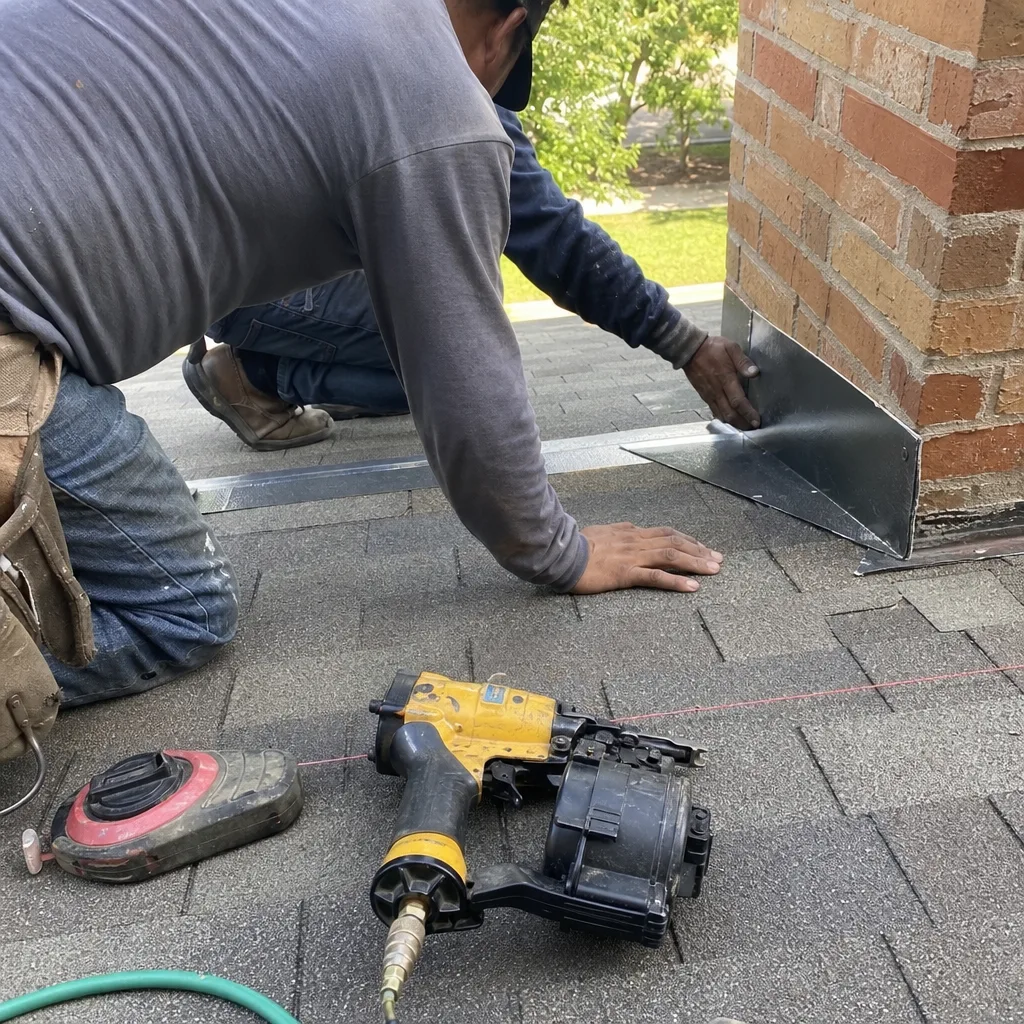
- Flashings: Metal pieces sealing the joints around chimneys, skylights, vents, and wall intersections.
A San Antonio roof without proper attic ventilation bakes from both sides. Attic temperatures in July and August routinely exceed 130°F in San Antonio when airflow is poor. That heat transfers downward through the deck and cooks shingles from underneath, which is why ventilation affects shingle lifespan as much as sun exposure does.
Roof Anatomy: The Parts You Pay For
If you’re reading a San Antonio roofing estimate and it feels like a foreign language, you’re not alone. Homeowners routinely tell us they can’t tell the difference between a flashing line item and a ventilation line item. Knowing the parts makes you harder to overcharge.
The main structural and protective components:
- Decking: The wood base. Usually priced per sheet. On a San Antonio home with original decking from the 1980s, expect some sheets to need replacement due to heat cycling and occasional leaks.
- Underlayment: Priced per square (100 square feet). Synthetic runs slightly higher than felt but holds up better during San Antonio’s windy installation season.
- Drip edge and flashing: Metal pieces, usually priced by the linear foot. Flashings around chimneys and skylights are separate line items on detailed estimates.
- Shingles: Priced per square. The square price should name the specific product, manufacturer, and impact rating.
- Ridge cap: The shingle pieces that cover the roof’s peaks. They’re different from field shingles and should be listed separately.
- Ventilation: Ridge vents, soffit vents, or powered units. The estimate should state the type and number of units.
- Gutters and downspouts: Often quoted separately from the roof itself.
For San Antonio homeowners, the decking replacement count matters most. Some contractors exclude decking replacement from the base bid and then hit you with a change order mid-job. The estimate should state the assumed number of decking sheets included, and the per-sheet price for any additional sheets discovered during tear-off. At Birchbark Roofing San Antonio, we write that per-sheet price into the estimate before work starts, so a rotted deck discovery doesn’t become a negotiation.
How to Read a San Antonio Roofing Estimate Line by Line
Most roofing estimates in San Antonio follow a similar format, but the transparency varies wildly. Some bids clump everything under one labor line with no material detail. Others itemize every nail and piece of flashing. The line-by-line estimate is the one you can hold a contractor to.
Here’s how to read one:
- Scope of work: Does it say “full tear-off and replacement” or “overlay”? An overlay puts new shingles over old ones and saves disposal costs, but it hides existing deck damage and violates code in some San Antonio suburbs. A full tear-off is standard for any roof over 15 years old.
- Material list: The estimate should name the manufacturer (GAF, CertainTeed, Owens Corning, IKO, Atlas, Tamko, or Boral), the product line, the color, and the UL 2218 impact rating. The phrase “architectural shingles” without a product name is a red flag.
- Decking allowance: Look for “includes up to X sheets of decking replacement.” If the number is zero and the roof is 20 years old, assume you’ll be paying extra mid-job.
- Underlayment type: “Felt” and “synthetic” are not interchangeable. For San Antonio’s summer heat during installation, synthetic holds up better. It costs slightly more. The estimate should say which one and how many squares.
- Flashing and drip edge: If these aren’t listed as separate line items, ask why. Drip edge is mandatory in current Texas building practice. Flashings around chimneys and skylights wear out and need replacing.
- Ventilation: Does the estimate include ridge vent or specified box vent count? “Ventilation as needed” is undefined. The estimate should state the type and number of units.
- Disposal and hauling: A full tear-off produces 3 to 6 tons of debris depending on roof size. The estimate should include dumpster, hauling, and disposal fees. If it doesn’t, that’s another mid-job surprise.
- Clean-up: Some estimates list clean-up as a line item. We include it as a named commitment: shoe covers at the door, drop cloths through the hallway, magnetic nail sweep in the yard, all debris cleared, and a photo of the completed clean-up before the crew leaves.
At the bottom of every Birchbark estimate in San Antonio is a written dollar figure. No ranges. No “we’ll see how it goes.” The exact price appears before any work starts, and the 365-Day Done Right Promise covers the work: if it’s not done right, we make it right.
Common Mistakes to Avoid
- Choosing materials from out-of-state guides. A shingle rated highly in the Northeast may not hold up to San Antonio’s UV and hail combination. Match the product to the climate, not to a national review site.
- Skipping the decking inspection. Homeowners in older San Antonio neighborhoods like Jefferson and Beacon Hill sometimes approve a bid without knowing whether the original decking will survive another layer of fasteners. It often won’t.
- Ignoring fascia and soffit movement. If your home sits on expansive clay soil, fascia issues are coming. Fixing only the shingles while the fascia pulls loose ends with water entry at the eave line, a problem no shingle replacement can solve.
- Not asking for the UL 2218 rating. The difference between Class 2 and Class 4 shingles affects insurance premiums and roof survival in the next hailstorm. The estimate should name the class.
- Accepting vague labor descriptions. “Labor for roof replacement” without square counts or decking allowances leaves you exposed to change orders. Good estimates in San Antonio state quantities.
- Overlooking attic ventilation. A roof with poor ventilation fails from below even if the shingles are premium grade. San Antonio’s summer heat makes ventilation a roof-life factor, not an upsell.
- Hiring without a written price. In San Antonio, a verbal estimate means you’re negotiating mid-project. Demand the number in writing before the first shingle comes off.
When to Call a Professional
You need a professional inspection in San Antonio when you find granules collecting in gutters, shingles lifting after a wind event, water stains on ceilings or soffits, or daylight visible in the attic through the roof deck. Hail strikes leave bruise marks that are nearly invisible from the ground but reduce the shingle’s remaining life by years. A trained eye with an inspection ladder can spot those bruises before they become leaks. Don’t wait for the leak. Water entering the home for even a season rots decking, ruins insulation, and spreads into interior walls. Roof repair in San Antonio costs less when it’s early. Birchbark Roofing San Antonio offers free estimates in San Antonio. Call (903) 354-7802 to schedule yours.
Frequently Asked Questions
A full roof replacement in San Antonio typically runs between $9,000 and $22,000 for asphalt shingles, depending on roof size, pitch, material grade, and decking condition. Metal roofs cost more, typically $18,000 to $40,000. These ranges reflect actual Bexar County market conditions with current material and labor costs. For an exact written price on your home, call (903) 354-7802 for a free estimate.
Impact-resistant shingles in Class 3 or Class 4 are worth considering because San Antonio sits in a hail corridor, and the rating affects your homeowner’s insurance premium. Class 4 shingles often qualify for an insurance discount that offsets part of the upgrade cost. But the choice depends on your roof’s exposure, your insurer’s specific discount structure, and your long-term plans for the home. Ask your agent for the insurance angle, then call us for the roofing angle.
Most residential roof replacements in San Antonio take one to two days for tear-off and installation, with a third day possible for larger homes, steep pitches, or extensive decking replacement. Weather and municipal inspection scheduling can extend that timeline. Your contractor should state the expected duration in writing before work begins, not in vague terms.
The best roof for San Antonio balances UV resistance against hail impact. For most homes, architectural asphalt shingles with a Class 3 or Class 4 impact rating deliver the best value. Homeowners planning to stay 20 or more years should evaluate standing seam metal. The right choice is a function of your budget, your long-term plans, and your insurer’s discount structure.
Only if the estimate states it. Detailed San Antonio roofing estimates include an assumed number of decking sheets and a per-sheet price for additional sheets discovered during tear-off. If the estimate has no decking allowance and your roof is 20 years old, expect a change order. A roofing company in San Antonio that writes the per-sheet price into the bid before work starts is protecting you from mid-job surprises.
Attic ventilation matters in San Antonio because summer attic temperatures routinely exceed 130°F without proper airflow, which bakes shingles from below and shortens their life. Good ventilation, typically ridge vents paired with soffit vents, keeps attic temperatures manageable and reduces cooling load on the house. A roof replacement is the natural time to upgrade ventilation because the ridge is exposed.
The Bottom Line
San Antonio roofing decisions live at the intersection of UV intensity, hail exposure, and clay soil movement, and a roof that’s right for this city accounts for all three. Impact-rated architectural shingles balance the first two forces. Attention to fascia and soffit secures the roof’s edge against the third. A complete roofing system includes underlayment, ventilation, flashing, and drip edge, not just shingles, and the estimate should name every one of those layers with specific products and quantities. Follow our Roofing Company Maintenance Checklist for San Antonio Homeowners to keep that system performing after installation. If you’re in San Antonio and want a written price before any work starts, with the 365-Day Done Right Promise behind it, call (903) 354-7802 to schedule your free estimate.
Written by Erik Lindgren, Owner at Birchbark Roofing San Antonio, serving San Antonio since 2000.
See the difference
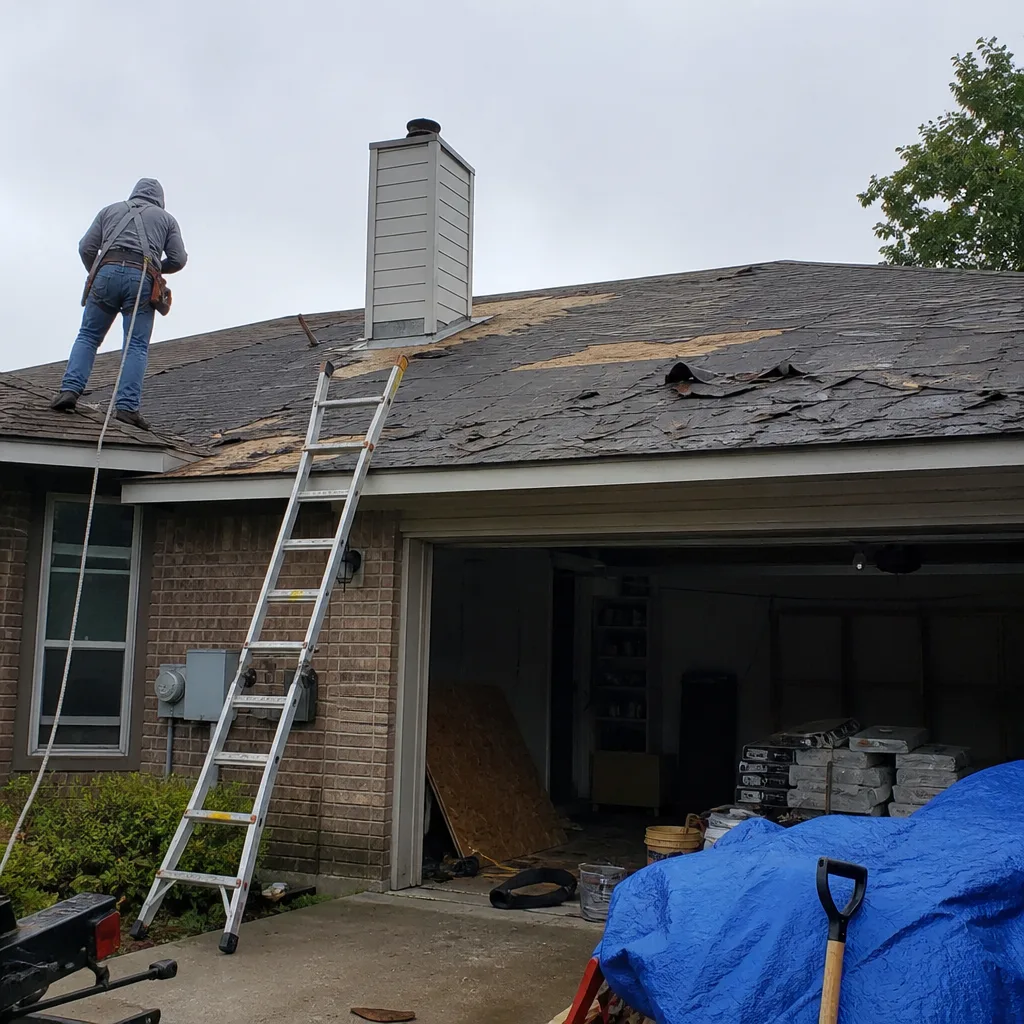 Before
 After
After Before
 After
After Before
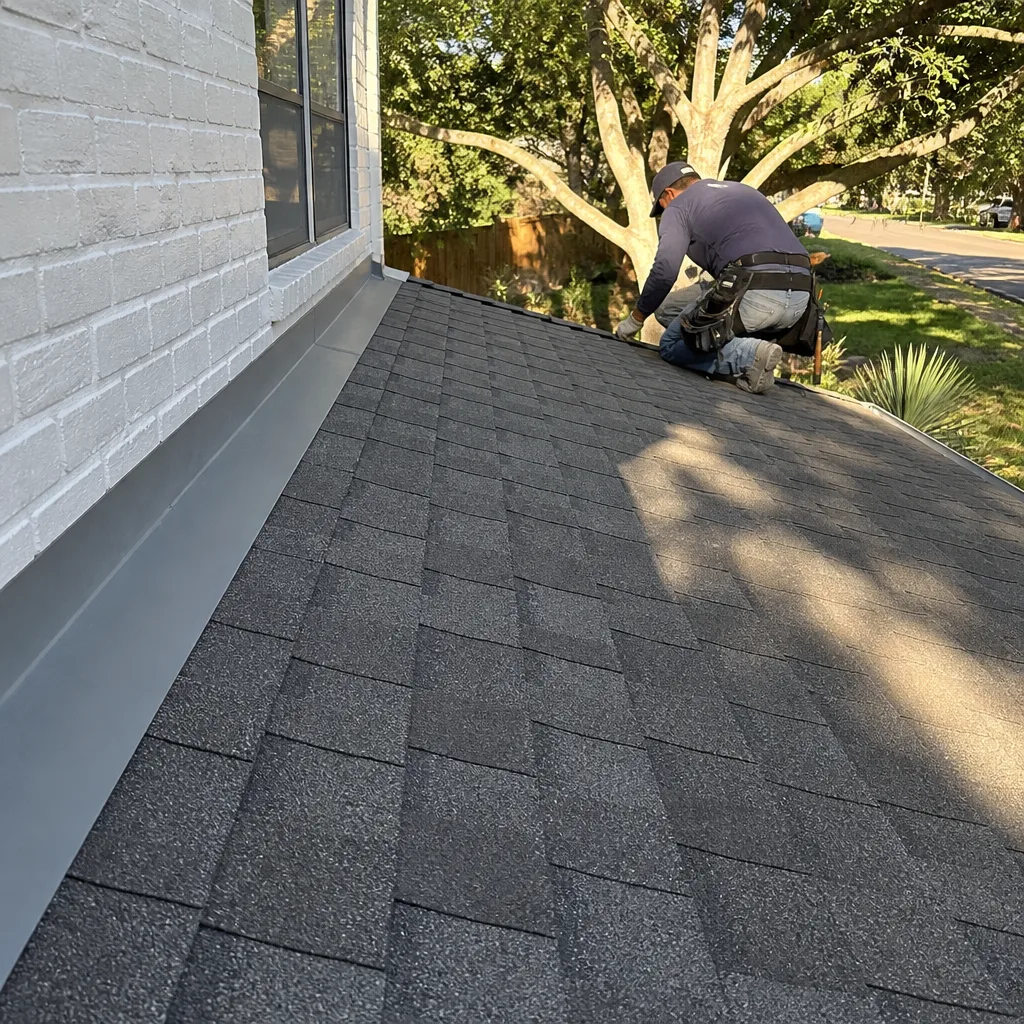 After
After