
Last updated October 17, 2026
 Metal roofing
 Architectural shingles
 Tile roofing
 GAF
GAF Owens Corning
 Flat & low-slope
Free roof inspection with deck photos before we talk money - GAF and Owens Corning certified installation
Seasonal Roofing Care for San Antonio: Year-Round Homeowner’s Guide
February in San Antonio can bring a hard freeze on a Tuesday and 75 degrees by Friday. That thermal shock, repeated over weeks and years, is harder on flashing sealant and shingle adhesion than a steady Northern winter ever was. This guide, alongside our The Complete Guide to Roofing in San Antonio, maps every roofing task to the actual San Antonio climate calendar, not a generic national template. You’ll learn what to inspect after each freeze-thaw cycle, how to document hail before the damage weathers, why your attic ventilation is a July roofing problem, and the one autumn window to reseal flashing before winter rain arrives. Homeowners who follow this calendar spend significantly less on emergency repairs than those who wait for a leak to announce itself.
Quick Answer
Seasonal roof care in San Antonio means working with the city’s actual weather pattern: two punishing seasons (winter freeze-thaw and spring hail) separated by two brief preparation windows (late fall and late winter). The highest-return tasks are resealing flashing and pipe boots in October – November, documenting hail damage within 48 hours in April – June, and checking attic ventilation before August heat peaks. A simple photo log with dates supports both warranty claims and insurance documentation, and most homeowners can handle the inspection side themselves with a pair of binoculars and a camera.
Styles & brands we work with
Table of Contents
- The Real San Antonio Roofing Calendar: Two Seasons, Two Windows
- February – March: Post-Freeze Inspection and Flashing Check
- April – June: Hail Season and Insurance Documentation
- July – September: Attic Ventilation and Heat Damage
- October – November: The Resealing Window
- Building a Simple Roof Log: Dates, Photos, Notes
- Common Mistakes to Avoid
- When to Call a Professional
- Frequently Asked Questions
The Real San Antonio Roofing Calendar: Two Seasons, Two Windows
Most national roofing guides assume four seasons of roughly equal concern. San Antonio doesn’t work that way. We get two punishing stretches where roofs take real damage, and two narrower windows where preventive work pays off most. Miss the windows, and you’re paying emergency rates later.
The first punishing season runs from late December through March, when overnight freezes alternate with warm afternoons. This cycle makes metal flashing expand and contract repeatedly, which eventually cracks the sealant around chimneys, vents, and pipe boots. The second punishing season runs from April through June, when hailstorms roll through Bexar County and dent shingles, crack tiles, and bruise the mat beneath the surface. Hail damage that looks minor in April can become a leak by September once summer heat and monsoon-season moisture finish the job.
The preparation windows are late February through early March, when freeze risk drops but before hail season peaks, and October through November, when temperatures are mild, rain is still low, and roofing crews can work safely on steep pitches without fighting 100-degree heat. A homeowner who marks these windows on the calendar and does the inspection work below will catch most problems while they’re still cheap to fix.
This is the pattern we’ve observed across San Antonio neighborhoods from Alamo Heights to Stone Oak to Helotes. The houses differ, the roof pitches differ, but the calendar doesn’t. It’s one of the reasons we built our roofing company in San Antonio around honest seasonal guidance rather than storm-chasing tactics.
February – March: Post-Freeze Inspection and Flashing Check
San Antonio averages a handful of hard freezes each winter, and while a freeze itself rarely damages a healthy shingle, the thaw cycle afterward is where problems show up. Water from melting ice seeps into tiny gaps around flashing, then refreezes overnight and expands. After a few cycles, the gap widens. By late February, you can often see the damage from the ground.
This inspection does not require a ladder in most cases. A pair of binoculars and a phone camera will handle 80 percent of the work.
- Walk the perimeter of your home. Look for shingle tabs that appear lifted, curled, or out of alignment. After a hard freeze, shingles that were already losing their seal will telegraph it by sticking up slightly at the corners.
- Check the flashing around chimneys, vents, and skylights. Use binoculars. Look for cracked caulk, pulled-back sealant, or any gap where flashing meets brick or shingle. In San Antonio, the southwest-facing flashing gets the worst of it because afternoon sun reheats it after morning frost.
- Look at pipe boots. These rubber collars around plumbing vent pipes crack from repeated freeze-thaw. A cracked pipe boot leaks slowly, and the water often travels along rafters before showing up as a ceiling stain far from the actual penetration.
- Check the gutters for shingle granules. A heavy coating of granules in February means shingles shed during freeze cycles. Some granule loss is normal on an older roof, but a sudden spike is a sign the mat is weakening.
- Photograph anything that looks off. Even if it turns out to be nothing, a dated photo builds your roof log and gives you a baseline for next year’s comparison.
If you find cracked flashing sealant or a split pipe boot in February, fixing it now costs a few hundred dollars. The same issue left until after hail season becomes a full leak repair that can run significantly higher, especially if it compromises decking. For homeowners who prefer not to climb, most roof repair in San Antonio companies, including ours, offer free ground-level assessments with photo documentation as part of the estimate.
April – June: Hail Season and Insurance Documentation
Hail season in San Antonio runs roughly from late March through June, with the most damaging storms typically arriving in April and May. The single most valuable thing a homeowner can do during this window happens in the first 48 hours after a hailstorm: document the damage before it weathers.
Here’s why timing matters. Fresh hail damage shows as a dark bruise on the shingle, a dent in a metal vent, or a cracked tile with clean edges. Within a week or two of sun exposure, shingle bruises oxidize and fade, making them harder for an insurance adjuster to identify. A homeowner who photographs every roof slope within two days of a storm has dramatically better documentation than one who waits for the adjuster to arrive a month later.
How to Document Hail Damage, Step by Step
- Photograph the roof from each side using a camera or phone at ground level. If you have a drone, even better. Capture each slope from at least two angles in direct daylight, not at dusk.
- Photograph collateral damage. Hail leaves marks on other surfaces: window screens, AC condenser fins, fence posts, painted trim, and vehicles. These marks corroborate the date and severity of the storm even if shingle damage is subtle.
- Check the gutters and downspout splash areas. Hail knocks granules loose, and they collect in gutters. A photo of heavy granule accumulation within a day or two of the storm is strong evidence of shingle impact.
- If it’s safe to do so, inspect the ridge cap. Ridgecap shingles take direct hits from hail and often show the clearest bruising. Use binoculars or a drone rather than a ladder if you have any doubt about safety.
- Date and label every photo. Then call your insurance company to begin the claim process with documentation already in hand.
We’ve worked with homeowners in neighborhoods like Terrell Hills and Cibolo whose claims were significantly strengthened because they photographed the damage within hours of the storm. Insurance adjusters use granule loss, collateral damage, and weather service data to verify a claim, and your own photos give them a timeline they can’t dispute.
One note on roofing materials: impact-resistant shingles from manufacturers like CertainTeed and Owens Corning are increasingly common in San Antonio, and some insurers offer premium reductions for them. If your roof already has impact-rated shingles, the documentation threshold for a claim is lower because the shingles are designed to take harder hits without failing. Either way, photograph after every storm that drops hail larger than pea size.
July – September: Attic Ventilation and Heat Damage
August in San Antonio regularly pushes attic temperatures past 140 degrees. That heat doesn’t just make your air conditioner work harder. It superheats the underside of your roof deck, which accelerates shingle aging from below. A poorly ventilated attic can take years off a roof’s service life, and the damage shows up in September as curling shingles, cracked caulk, and even split decking boards.
Attic ventilation is a roofing issue, not a comfort issue, because the roof structure itself bears the thermal load. Here’s how to check it without ever entering the attic:
- Count your visible vents from the ground. You should see both intake vents (typically soffit vents under the eaves) and exhaust vents (ridge vents, box vents, or turbine vents near the peak). A roof with only exhaust vents and no intake, or vice versa, is not ventilating effectively.
- Look for shingle curling along the eaves. Curling at the bottom edge of the roof often indicates heat buildup in the attic pushing against the deck. Shingle curl from heat looks different from wind lift: it’s smooth along the whole tab, like the shingle is slowly peeling upward.
- Check for melted or warped pipe boots. Rubber pipe boots break down faster under extreme heat. By late August, a brittle pipe boot may have cracked open, even if it survived the winter fine. This is one of the most common late-summer roof leaks we repair in San Antonio.
- Feel your ceiling in the hottest part of the day. A ceiling that’s warm to the touch at 3 p.m. indicates heat is transferring through the attic. That heat is also cooking your roof deck from inside.
- Listen for attic fans running constantly. If a powered attic fan runs all afternoon without cycling off, the attic likely has insufficient natural ventilation and the fan is compensating, which points to an underlying design issue.
If any of these checks come back positive, the fix ranges from adding soffit vents to installing a ridge ventilation system. The materials matter here: brands like Atlas and IKO make shingle lines specifically engineered for high-heat climates like South Texas, and pairing them with proper ventilation is the difference between a roof that lasts 12 years and one that lasts 20. The roof replacement conversation almost always starts with ventilation, because no shingle on the market holds up in a 150-degree attic.
October – November: The Resealing Window
If you do one roofing task per year, do it in October or early November. This is the single best window in San Antonio for preventive roof work: temperatures are moderate, rain is still weeks away, and the summer heat wave has passed. Every crack in a sealant joint, every brittle pipe boot, and every loose flashing seam can be addressed now, before winter rain and spring hail turn a small gap into a full leak.
The tasks in this window are approachable for a homeowner comfortable on a ladder, but if you have a steep pitch or any hesitation about heights, call a professional-our How to Hire a Roofing Contractor in San Antonio: A Step-by-Step Guide walks you through vetting and selecting the right one. The cost of an inspection and reseal is modest, and the cost of a missed crack is not.
- Inspect and reseal flashing around every roof penetration. Chimneys, vent stacks, skylights, and exhaust pipes all have flashing that relies on sealant. Use a high-quality exterior-grade sealant rated for roofing. Scrape away the old cracked sealant first; new sealant over old cracked sealant won’t bond and will fail within months.
- Replace cracked or brittle pipe boots. A pipe boot replacement is a small job, but it stops one of the most common leak sources in San Antonio homes. If several boots are cracking at once, consider replacing them all at the same visit rather than piecemeal.
- Clear valleys and gutters of leaves and debris. October brings leaf drop from the live oaks and pecans that dot San Antonio neighborhoods. Debris traps water against shingles and accelerates granule loss in valleys, which are the primary drainage channels of your roof.
- Check attic insulation for moisture stains. A damp spot on insulation in November is a sign that water got in during the September – October rain storms. Address it now, not in January when the insulation is saturated and the fix is larger.
- Schedule any repair work before the holiday season. Roofing crews book out in December, and weather windows close. A repair identified in October can usually be scheduled within a week or two. The same repair identified in late November may wait until January.
We’ve found that homeowners who keep this October – November appointment with their roof almost never face mid-winter emergency repairs. The work is preventative, the prices are predictable, and the roof goes into the winter in known condition. That’s the whole point of seasonal care.
Building a Simple Roof Log: Dates, Photos, Notes
A roof log is just a running record of what you’ve observed and when. It can be a folder on your phone, a simple notebook, or a spreadsheet. What matters is that it exists before you need it. Homeowners who keep a roof log have stronger warranty claims and smoother insurance adjuster visits, because they can show when a problem started and what the roof looked like before it happened.
Here’s what a useful roof log contains:
- Date. When you observed it.
- Photo. At least one photo per observation, from the ground, from a drone, or from a ladder if you’re comfortable.
- Note. One sentence describing what you saw and what action, if any, you took.
- Follow-up. If you called a roofer or filed a claim, note that too.
Example entry: February 17, 2026. Checked southwest flashing after freeze. Small crack in sealant at chimney base. Photo attached. Called for estimate on reseal.
That single sentence, supported by a photo, gives a future adjuster or warranty representative a concrete timeline. It also gives you a basis for comparing year over year. Is that shingle curl worse than last March? The log will tell you.
For warranty claims, most shingle manufacturers require evidence of installation quality and maintenance. A roof log filled with periodic inspection notes shows that the roof was not neglected, which matters when a manufacturer is deciding whether to honor a warranty. It’s not a guarantee of a claim being accepted, but it removes the easiest denial path.
Common Mistakes to Avoid
- Waiting for a leak to show up inside the house before inspecting the roof. By the time water reaches a ceiling stain, the damage has already been happening for weeks or months, and the repair scope is larger than an early-stage fix. In San Antonio, a small flashing crack found in February might be a $300 repair; the same crack found in November after heavy rains could be $1,500 with decking replacement.
- Assuming hail damage is always visible from the ground. Hail bruising happens on the shingle mat underneath the granule layer. A storm that leaves no visible dent from the curb can still have compromised the roof’s water-shedding ability. Photograph after every hailstorm, not just the dramatic ones.
- Cleaning gutters only in spring. San Antonio’s fall leaf drop from live oaks clogs gutters right before winter rain, which is the worst time for drainage to fail. A November gutter check is more valuable than a March one.
- Skipping the attic ventilation check because the attic isn’t living space. The attic is part of your roof system. When it overheats, it’s your shingles and decking that pay the price. Poor ventilation is one of the quiet causes of premature roof failure in Bexar County.
- Resealing flashing without removing the old sealant. New caulk over old cracked caulk will look fine for a few months and then peel away in sheets. Scrape first, then seal.
- Not documenting the date and time of a hailstorm. Insurance claims hinge on matching roof damage to a specific storm event. Your memory of “sometime in May” is weak evidence. A photo timestamped 48 hours after the storm is strong evidence.
- Putting off the October inspection because the roof looks fine from the street. Most roofing damage in San Antonio happens at penetrations: chimneys, pipes, vents, and valleys. These are the least visible spots from ground level, and they’re exactly where fall inspections find the problems that become winter leaks.
When to Call a Professional
Some tasks belong on a ladder. Some belong in the hands of a roofer with experience, insurance, and a written scope of work. If you see water stains on the ceiling, sagging decking, multiple cracked pipe boots, or hail damage that you plan to file a claim for, call a professional before touching anything. The cost of a professional assessment is modest, and the cost of a botched repair that leaks again is not.
Birchbark Roofing San Antonio offers free estimates for homeowners in the San Antonio area. Call (903) 354-7802 and a live person will answer, any day, any hour. You’ll get a written price before any work starts, shoe covers and drop cloths on every visit, and a photo of the completed clean-up before the crew leaves. We hold every job, from a simple reseal to a full tear-off, to the 365-Day Done Right Promise and the Cedarwell Care Promise. If it’s not right, we make it right.
Frequently Asked Questions
Twice a year at minimum: once in late February or early March after freeze season ends, and once in October before winter rain begins. If a hailstorm passes through your neighborhood, add a post-storm inspection within 48 hours. That’s the rhythm that catches most problems while they’re still inexpensive to fix. For more guides & resources, or to have a professional handle any of these inspections, call (903) 354-7802-estimates are free.
Most preventive maintenance tasks, like resealing flashing and replacing pipe boots, run between $200 and $600 depending on how many penetrations your roof has and whether new pipe boots are needed. A full seasonal inspection with minor repairs typically lands in the $300 to $800 range. Your exact number comes in writing before any work starts. Call (903) 354-7802 for a free estimate specific to your roof.
Yes. Bexar County sits in the middle of Texas hail alley, and San Antonio averages several hailstorms per year between March and June. Most storms drop pea-size hail that causes little damage, but storms producing quarter-size or larger hail are common enough that every homeowner should know how to document damage quickly. Hail larger than a quarter can compromise shingles, dent vents, and crack tile roofs.
Look for curling shingles along the eaves, a ceiling that’s warm to the touch on summer afternoons, attic fans that run constantly, and brittle or melted pipe boots. These all indicate heat is building up in the attic rather than escaping through proper intake and exhaust venting. Fixing ventilation often extends the roof’s service life by years.
October through early December is the ideal window, with mild temperatures and low rain risk. Late February through March is a secondary window. Summer replacements are possible but harder on the crew and the materials, since shingles become soft and more easily damaged in 100-degree heat. For a roof replacement in San Antonio, that fall window is where scheduling works in the homeowner’s favor.
It helps, but it’s not required. You’ll want to be present for the initial estimate so you can walk the findings with the roofers. After that, most work can proceed with a homeowner who’s away, as long as a phone number is available for questions. Birchbark Roofing San Antonio sends a photo of the completed clean-up before the crew leaves, so you can verify the property condition even from the office. Call (903) 354-7802 to schedule, estimates are always free and in writing.
The Bottom Line
San Antonio roofs fail on a predictable calendar: freeze-thaw cycles crack flashing in winter, hail bruises shingles in spring, and attic heat bakes the deck in summer. The homeowners who spend the least on roofing are the ones who address each threat before it compounds: reseal flashing in October, photograph hail within 48 hours, check ventilation in August, and log every observation with a date and a photo. None of this requires expertise, just consistency. When something does need a professional eye, Birchbark Roofing San Antonio offers free estimates, a written price before work starts, and a 365-Day Done Right Promise on every job. Call (903) 354-7802 and a live person will answer.
Written by Erik Lindgren, Owner at Birchbark Roofing San Antonio, serving San Antonio since 2000.
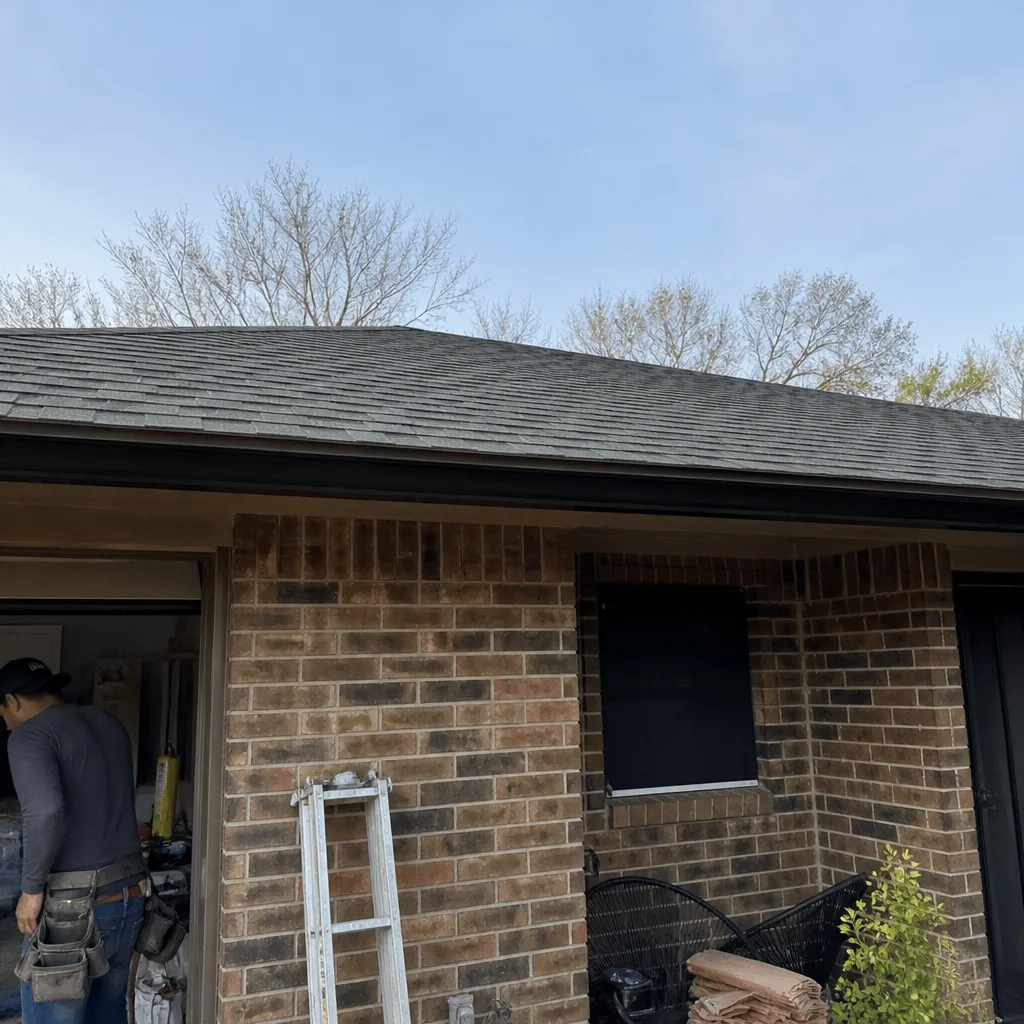
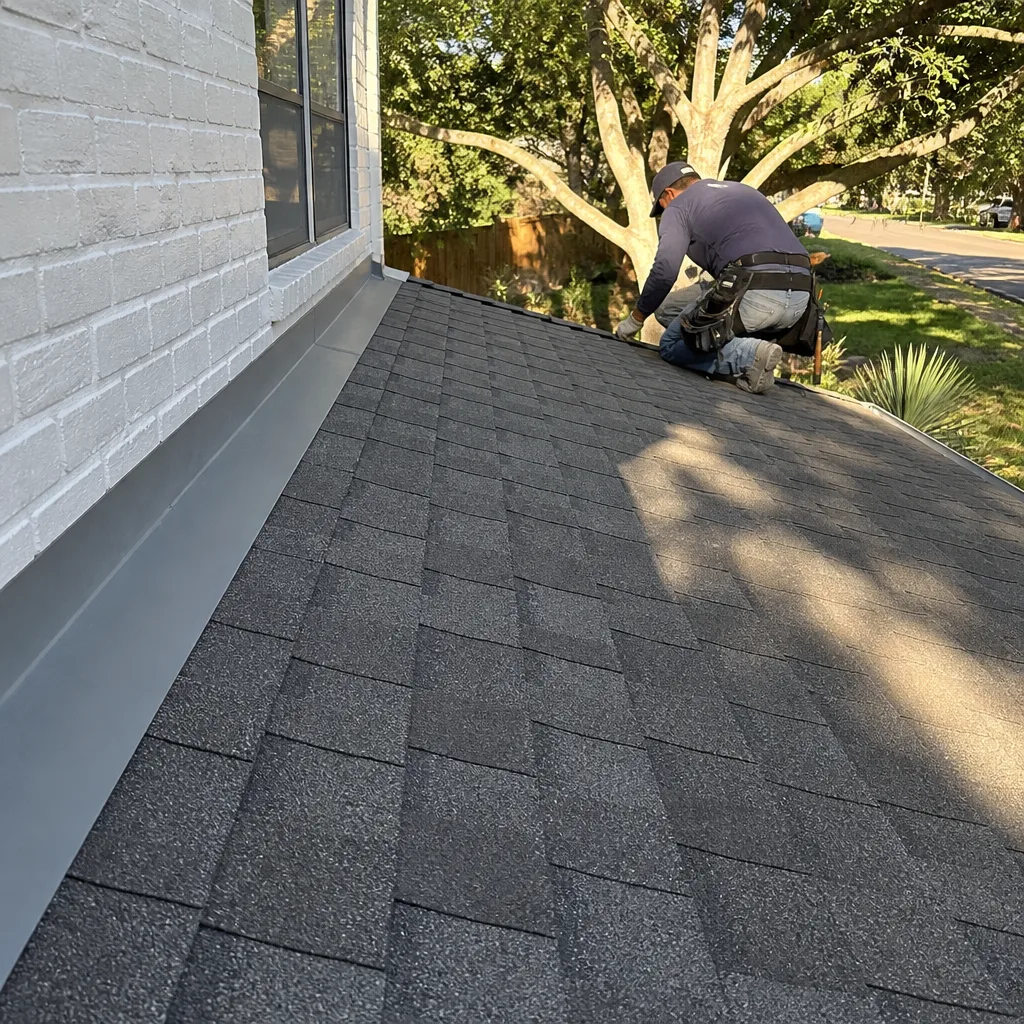
See the difference
 Before
 After
After Before
 After
After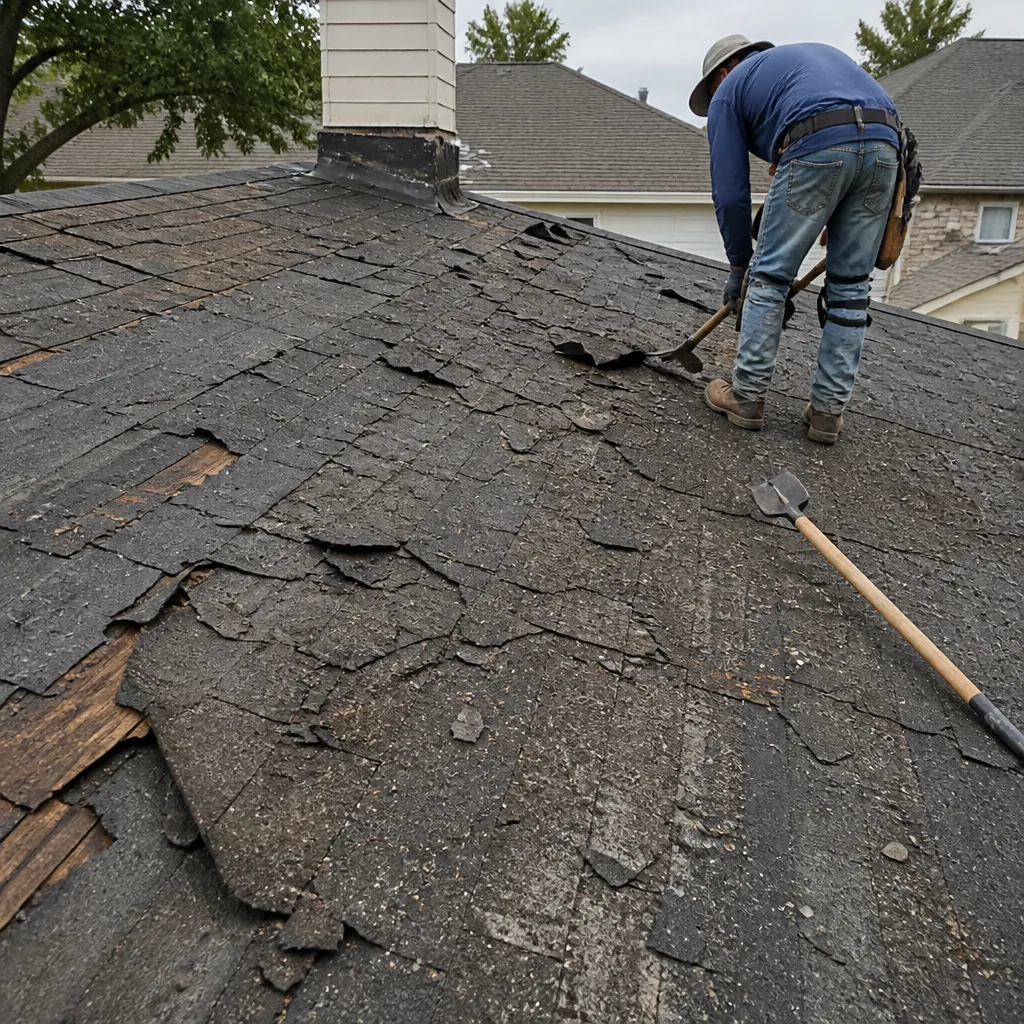 Before
 After
After